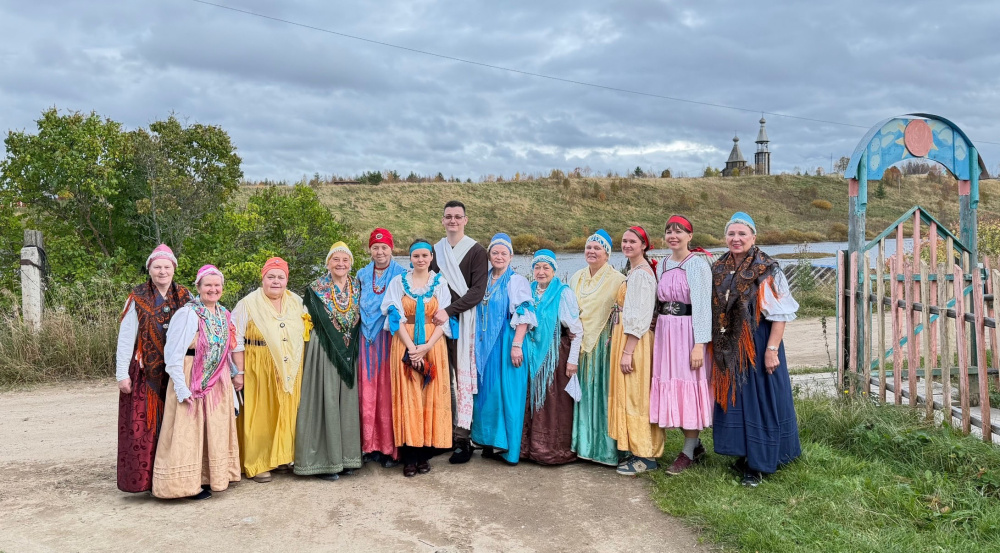
 Expedition participants with the "Tavolga" folklore group (center: Aleksey Matveenko; right to left: Lyudmila Rots, Aleksandra Eremeeva, Sofya Galkina)
From 25 to 28 September, Aleksey Matveenko, a PhD student at the SPbGASU Department of Architectural Design, his academic supervisor Associate Professor Aleksandra Eremeeva, and master’s students Sofya Galkina, Svetlana Bryukhanova, and Ksenia Karpunina took part in an interdisciplinary research expedition to Karelia, visiting the town of Belomorsk and the historic Pomor village of Nyukhcha. The trip was part of a study on the architectural features of cultural centers in the Russian North and gave the participants an opportunity to gain firsthand insight into the region's historic built environment and the local way of life.
The expedition is linked to Aleksey Matveenko’s dissertation research, titled "Architectural Features of Cultural Center Development in Northern Conditions (A Case Study of the White Sea Region)." His work focuses on preserving the region’s distinctive culture and identifying modern approaches to organizing public spaces that foster local traditions and maintain the connection between historical heritage and everyday life.
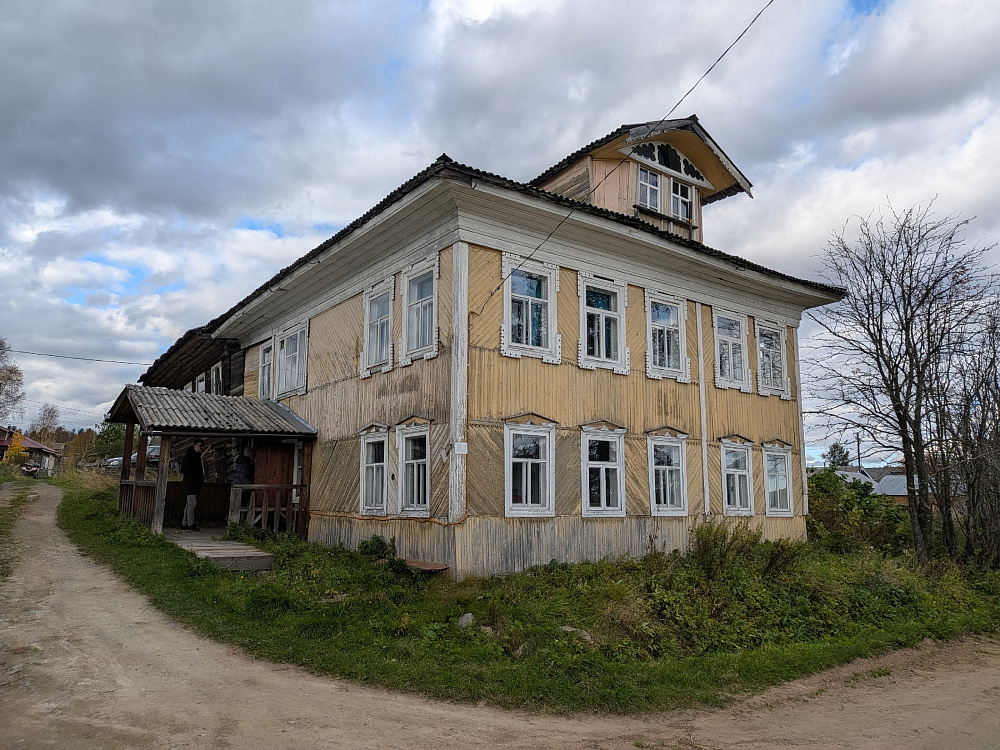
One aspect of the work involved studying the architectural environment of Nyukhcha. Participants explored the layout characteristics of the traditional Pomor dwelling, the positioning of structures relative to the river, and the compact, multifunctional nature of the interior spaces. These design solutions were shaped by the harsh northern climate and the Pomor way of life, in which the home served not merely as a place of residence but as a space integrating various facets of economic and family life.
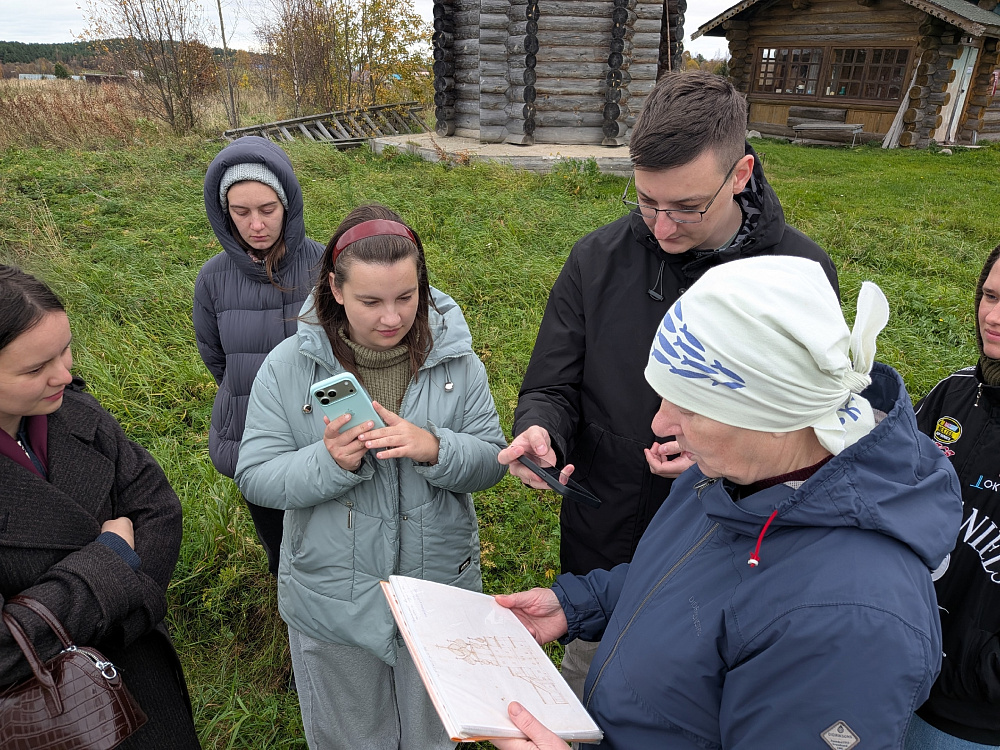
An architectural tour of the village, conducted by Nadezhda Semenova, the creator and curator of the ethnocultural center of Pomor life "Khlamnoy Saray" ("junk barn”), helped to examine the historical buildings in the context of local traditions. It is important for the study not only to record the features of individual buildings, but also to understand how their layout, location and use relate to the way of life of the community. This allows us to look for approaches to rethinking historical spaces and adapting them to modern public functions.
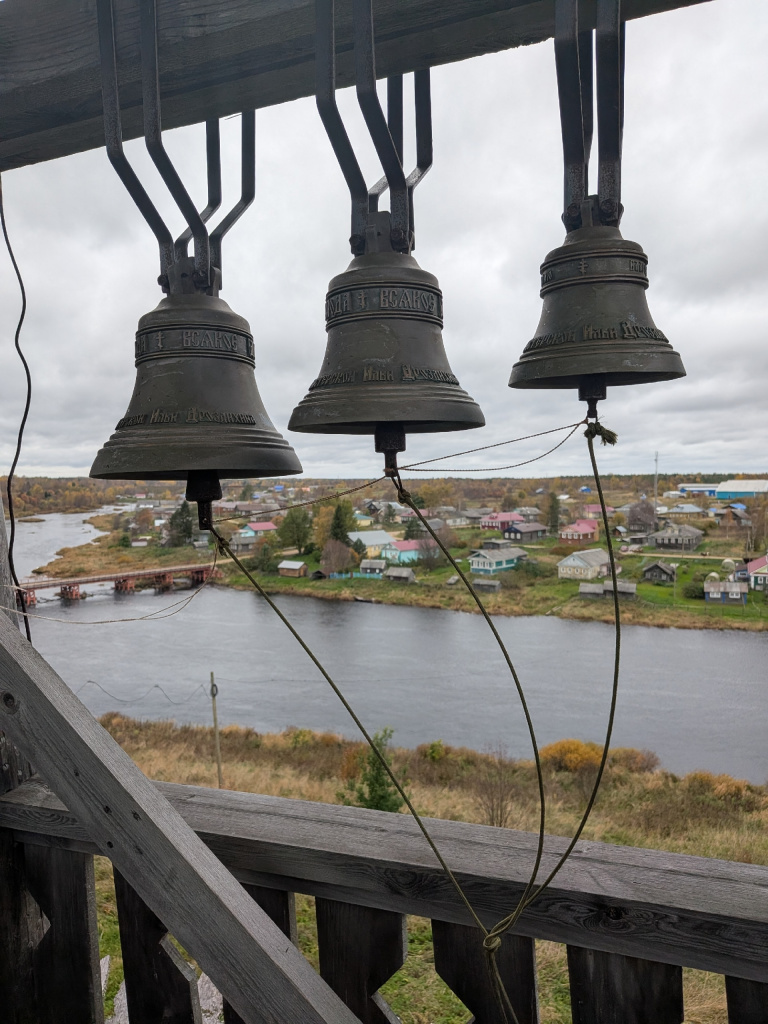 View of the village of Nyukhcha from the bell tower of St. Nicholas Church
An equally significant part of the expedition involved exploring the intangible cultural heritage of the White Sea region. Accounts from local residents regarding Pomor daily life, the construction of houses and *karbas* boats, maritime trades, and family traditions enriched the participants' understanding of the historical setting. These insights reveal the people behind the architectural structures—their everyday practices and cultural ties—demonstrating why traditional architecture remains vital to the local community.
A highlight was the Pomor wedding organized in Nyukhcha specifically for the expedition participants. Ancient rituals, northern melodies performed by the "Tavolga" folklore group under the direction of Tatyana Shmidt, and the symbolism of wedding traditions demonstrated how cultural practices bring people together and imbue a space with shared social meaning. This experience is significant for the study of cultural centers, as they can serve not only as repositories for artifacts and historical evidence but also as venues for the transmission of traditions and the hosting of rituals and collective events.
The expedition materials will aid in the further analysis of the historical background behind the formation of folk culture centers and the relationship between architecture and their contemporary functions. Based on this, Aleksey Matveenko is developing architectural and urban planning principles for organizing cultural centers in the White Sea region that cater to the needs of local residents and foster tourism development.
The theoretical findings of the dissertation are also utilized in the preparation of master's thesis projects by students in the Department of Architectural Design. Thus, the study of the region serves as a foundation for design work that must take into account both the characteristics of the historical environment and the needs of the contemporary community.
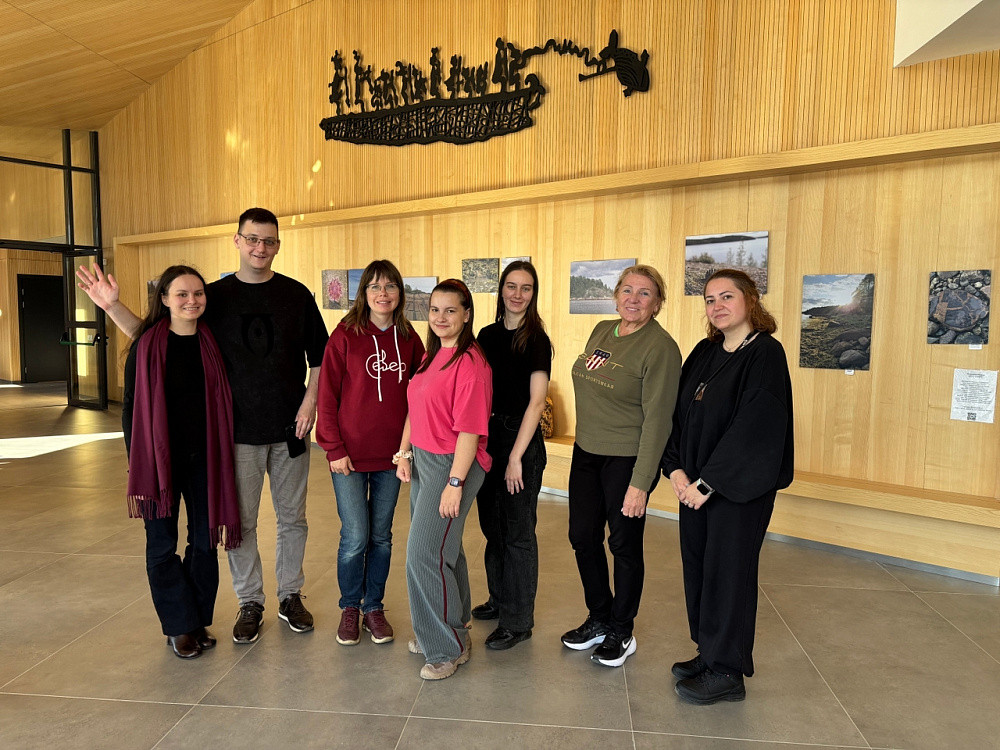
The expedition participants also visited the "White Sea Petroglyphs" visitor center. They extend their thanks to the trip organizers: Lyudmila Rots, Chair of the Pomor Culture Guild of the Russian Creative Union of Cultural Workers, and Nadezhda Semenova, as well as the "Tavolga" folklore group, for helping them explore the history, architecture, and cultural traditions of the White Sea region.