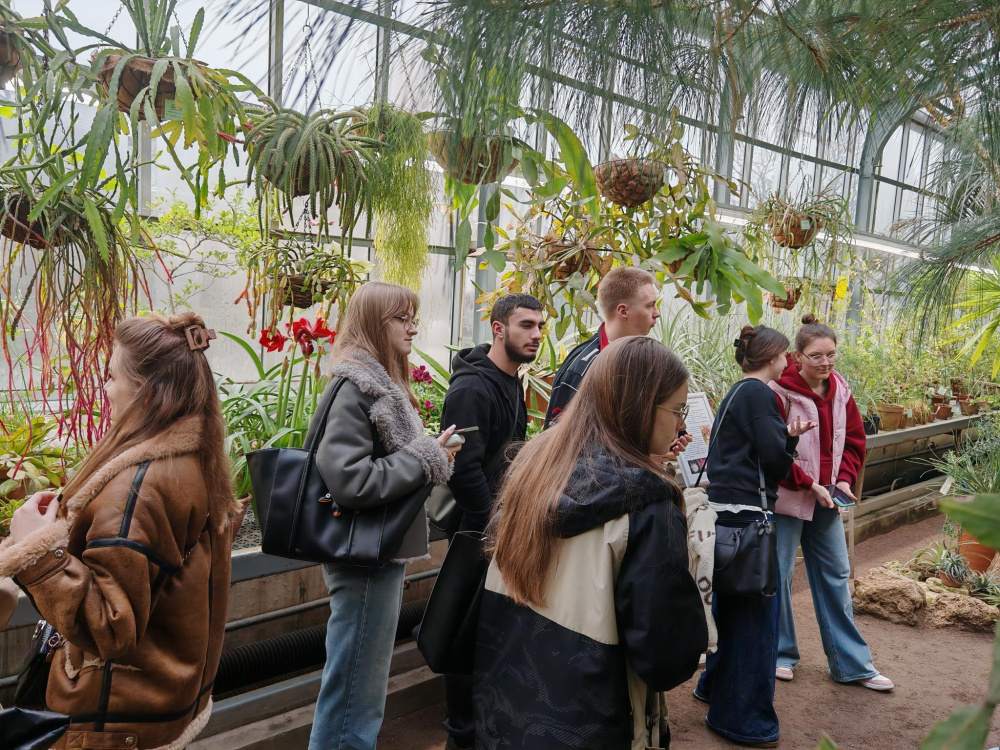
 In the Botanical Garden
The last week of March was a busy one at the Faculty of Environmental Engineering and Municipal Services (FEE&MS) of the Saint Petersburg State University of Architecture and Civil Engineering: the Department of Water Use and Environment organized a large-scale series of events that comprised Ecology Week. Students and teachers explored a range of topics, from addressing pressing regional issues to discussing the fundamental mysteries of the universe.
23 March: The Baltic's pain and hope for salvation
The week opened with a lecture by Svetlana Makarova, Associate Professor at the Department of Water Use and Environment and PhD iof Biology, dedicated to Baltic Sea Day. The Baltic Sea is currently under unprecedented anthropogenic pressure. Students learned about the critical situation of ringed seals: due to abnormally early ice melt, pups are losing their mothers and are left alone in a harsh environment. An important practical outcome of the lecture was an introduction to the work of the Marine Mammal Research and Rehabilitation Center in Repino. Students learned how the Baltic Seal Friends Foundation's hotline operated and how everyone could help save this rare animal.
Hidden threats were also addressed: the problem of dumped chemical weapons from World War II and the eutrophication of the Neva Bay. Excess nitrogen and phosphorus lead to aggressive algal blooms, requiring future specialists to seek new technological solutions.
24 March: Space Odyssey and professional innovation
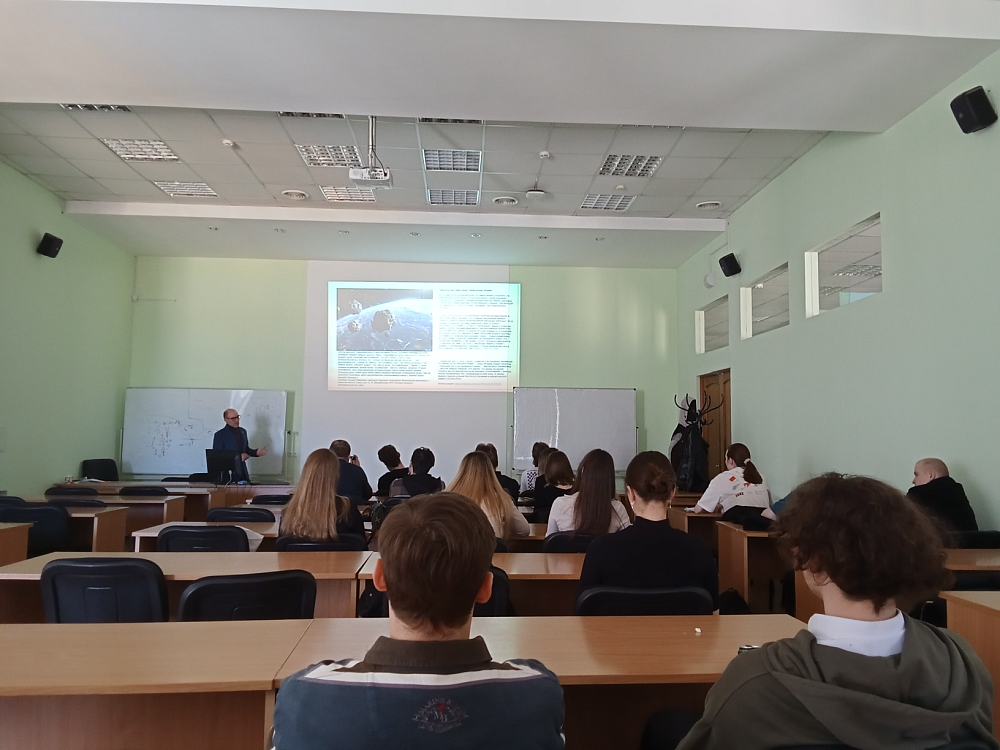
This day became a double celebration of science and practice. First, the students immersed themselves in fundamental research and listened to a scientific report on the origins of water on Earth, prepared by Department alumnus Mikhail Ryakhovsky, PhD of Engineering Sciences. The students explored complex hypotheses about endogenous and exogenous sources of the oceans, drawing parallels between the evolution of our planet and the search for life in deep space, and discussed research aimed at finding water in space.
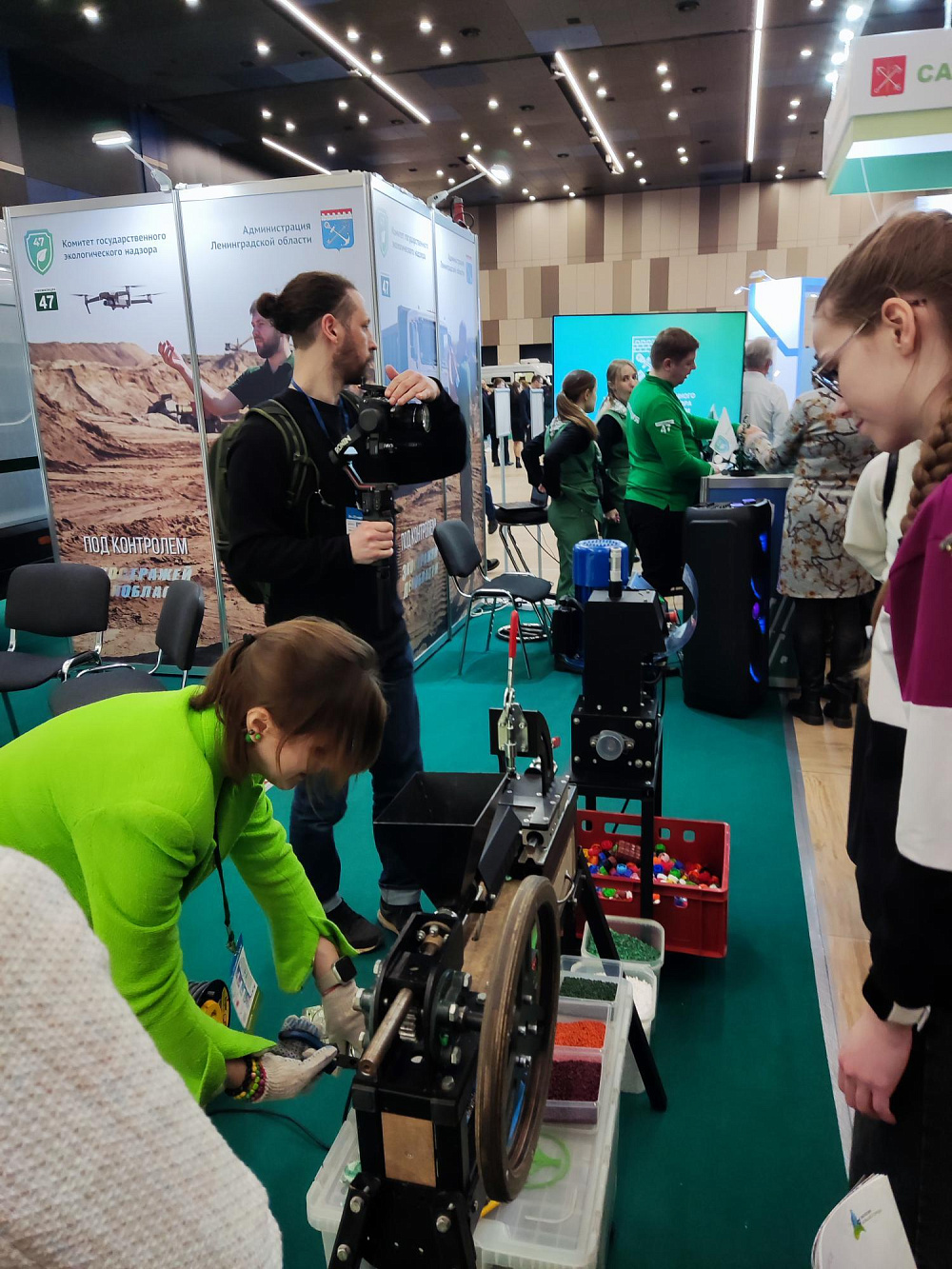
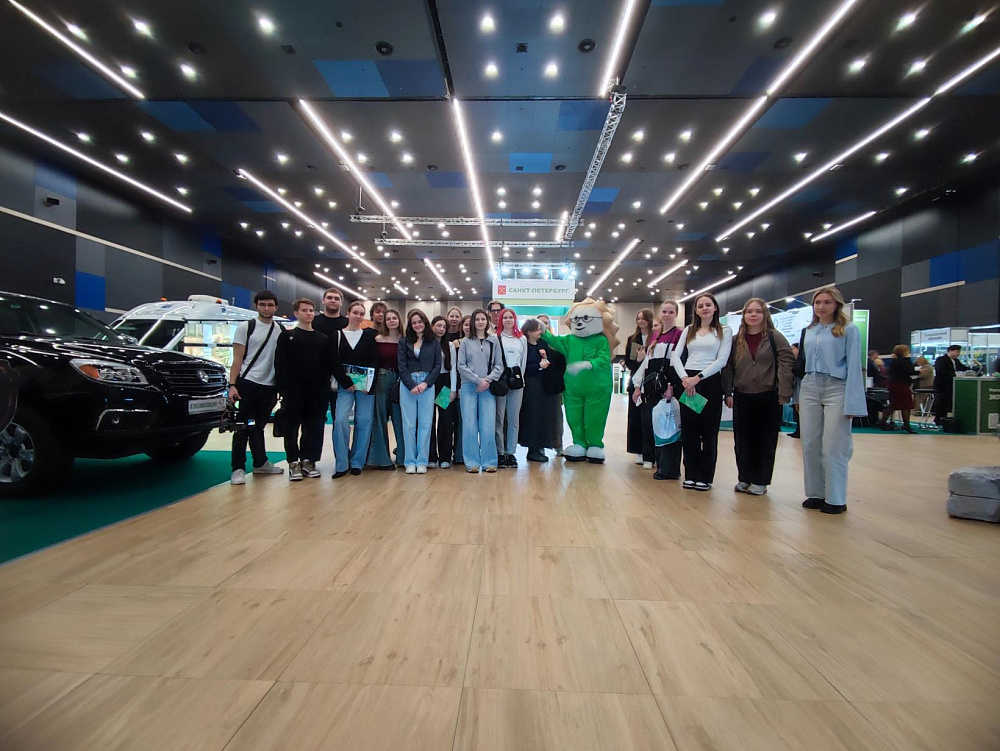
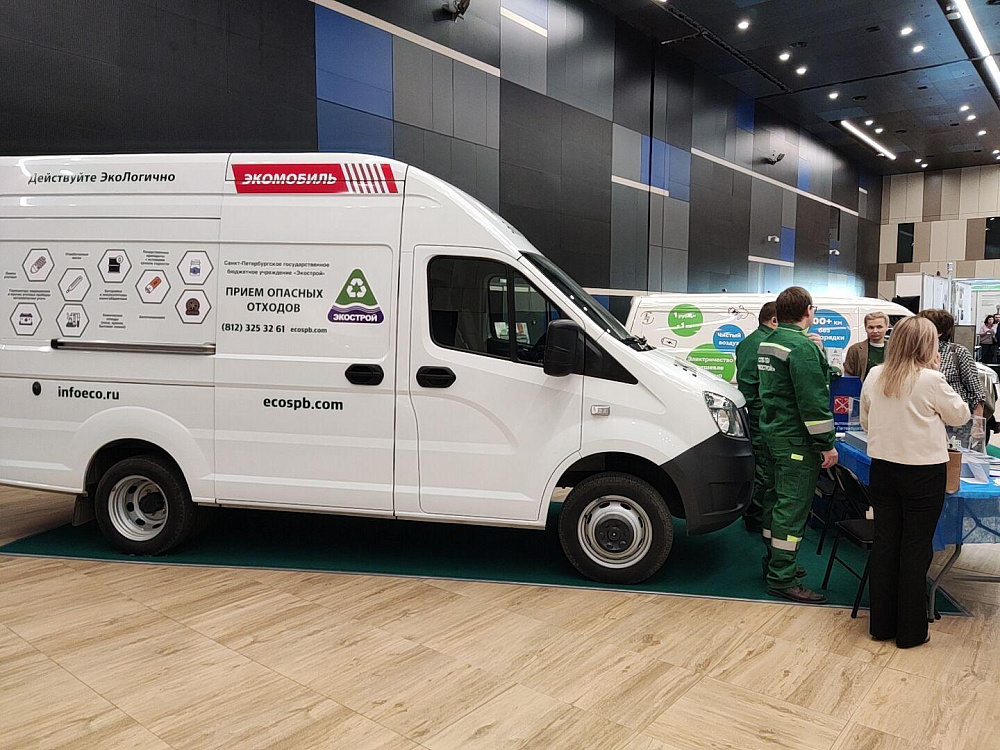
On the same day, students majoring in "Environmental Management and Water Use" (profile "Engineering Ecology") explored the practical side of the profession at the St Petersburg International Environmental Forum. A visit to the "Big City Ecology" exhibition provided a powerful impetus for future environmental engineers to develop. Of particular interest were:
- online monitoring systems: modern sensors that allow for real-time monitoring of water quality with remarkable accuracy;
- mobile eco-laboratories: mobile systems for rapid air and soil analysis which impressed with their autonomy and comprehensive equipment;
- circular economy: during a workshop, students hand-crafted recycled plastic into stylish keychains, proving that recycling is a creative and effective process.
The students were particularly impressed by the applied technological solutions. "NAECO's environmental marine systems and intelligent monitoring systems were a real revelation. It's amazing how machines, using neural network cameras, can automatically detect illegal dumps, and how special scanners can instantly analyze exhaust emissions right in the middle of city traffic," noted first-year student Timofey Tarakanov.
26 March: Tropical technologies in the heart of St Petersburg
Just a few steps separated the bustle of the city from a veritable jungle. For future specialists, a visit to the Peter the Great Botanical Garden became a lesson in engineering: they studied the complex microclimate of the greenhouses, created by automatic drip irrigation, misting, and ventilation systems.
Among blooming azaleas and exotic carnivorous plants, students also learned about cultural traditions. For example, they learned about the ancient custom of giving tangerines—these "little suns" symbolize wealth and warmth, which are so often lacking in northern latitudes. The vibrant photographs against the tropical backdrop provided a wonderful finale to this educational marathon.
"The visit to the Botanical Garden was an exceptionally positive experience. It was a kind of recharge: we admired the beautiful plants, breathed in the fresh air, and learned a lot. I especially remember the citrus greenhouse and the fact that a fig is a ficus," shared second-year student Stanislav Schilling.
Results of Ecology Week
The results of Ecology Week once again confirmed that modern construction is unthinkable without in-depth environmental assessment. For future civil engineers and designers, understanding the life cycle of materials, the design of complex climate control systems, and the protection of water resources is not just a "green" trend, but the key to creating a high-quality, safe, and sustainable urban environment. The events demonstrated that technological progress in construction today goes hand in hand with a respectful attitude toward nature.