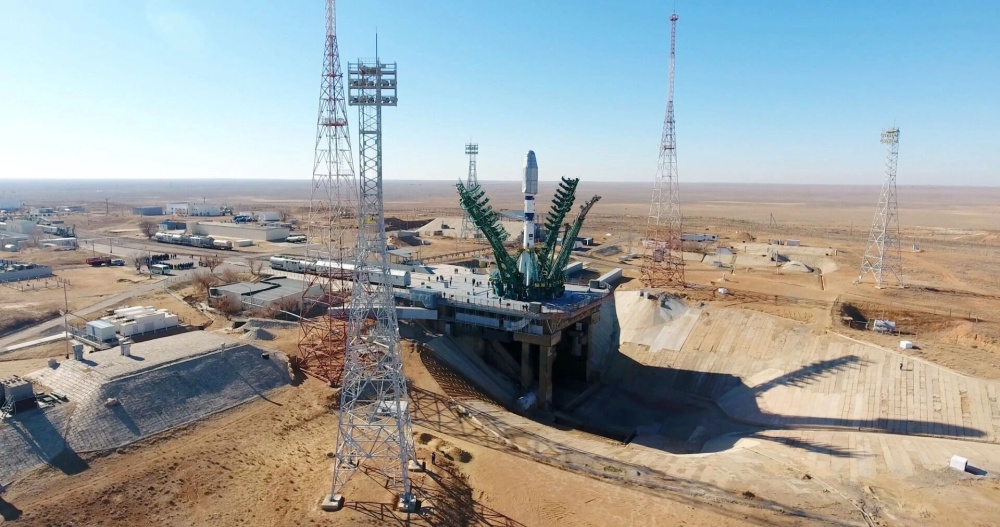
12 April marks the 65th anniversary of the first human spaceflight, an event that ushered in a new era in human history. On this day in 1961, Yuri Gagarin made the first orbital flight around the Earth in the Vostok 1 spacecraft.
However, this breakthrough was made possible by a colossal amount of work that began long before 1961. Military builders, engineers, and scientists played a crucial role in the development of the space industry, among whom graduates of the Leningrad Civil Engineering Institute (LISI, now SPbGASU) hold a special place.
Baikonur: construction project ahead of its time
The decision to build the Baikonur Cosmodrome was made on 12 February, 1955. In a short period of time, in the desert conditions of Kazakhstan, with no developed infrastructure, large-scale construction work began.
By 1957, key facilities had been built here: launch pads, assembly and test buildings, command posts, and measurement systems. On 4 October, 1957, the world's first artificial satellite was launched from Baikonur, marking the beginning of the space age.
LISI graduate Georgy Shubnikov played a special role in the cosmodrome's construction. Under his leadership, military builders erected the cosmodrome's unique and impressive structures in the harshest natural conditions. Thanks to their efforts, Baikonur became the world's largest launch site for rockets and spacecraft.
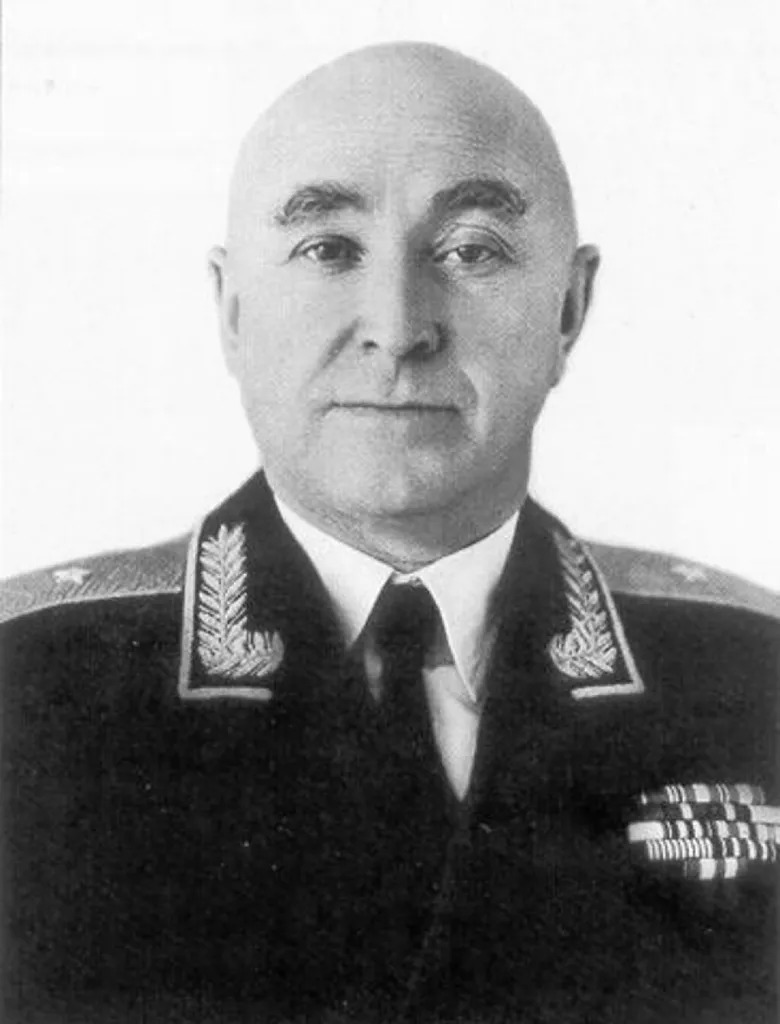 Georgy Shubnikov
Many graduates of the LISI Faculty of Military Construction also took part in the creation of the cosmodrome; they were sent to build this strategic facility straight after completing their studies.
LISI engineers at the forefront of defense science
The LISI Faculty of Military Construction was established in the early 1950s to train specialists capable of solving problems related to the construction of special-purpose facilities. Graduates of the faculty served throughout the Soviet Union—from the western borders to the Far East, from the Arctic regions to Central Asia.
They participated in the building of:
-
cosmodromes, including Baikonur and Plesetsk;
-
missile defense systems;
-
missile attack warning systems;
-
naval bases and strategic facilities.
In particular, graduates of the faculty participated in the construction of the Sary Shagan test site, where the world's first anti-ballistic missile defense system was created. On 4 March, 1961, the world's first interception of a ballistic missile warhead was carried out there.
From Energia to Buran: graduates' contributions to space projects
The Energia-Buran program, launched in 1976, marked a new stage in the development of Russian cosmonautics. It was one of the largest scientific and technical projects of the 20th century, unparalleled in the scale of cooperation and scope of work.
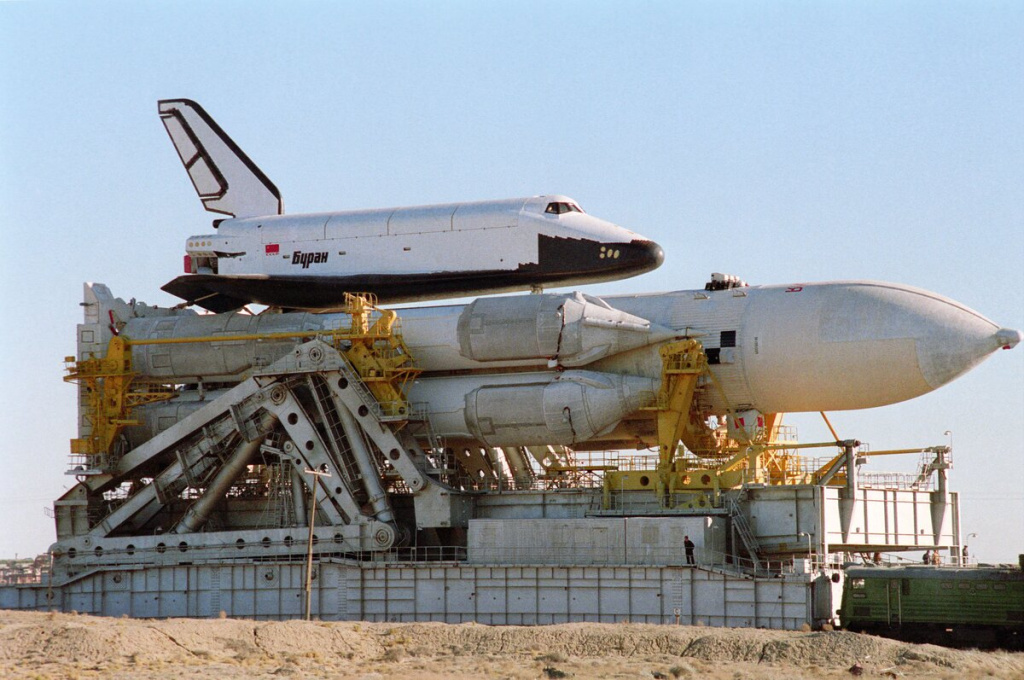 The Energia launch vehicle and the Buran reusable spacecraft
As part of the program, unique facilities were built at Baikonur:
-
the largest oxygen-nitrogen and cryogenic production facilities in Europe;
-
the most powerful launch complexes;
-
precision runway;
-
hundreds of specialized structures.
LISI graduate Aleksandr Orlov participated in the project's implementation. Having graduated from the institute in 1963, he was a military builder and worked at strategic sites throughout the country, and in 1981 he was sent to Baikonur.
Aleksandr Orlov was responsible for the construction of facilities at one of the cosmodrome sites and was directly involved in preparing the infrastructure for launches.
On 15 May, 1987, the Energia launch vehicle made its maiden launch, followed by the Buran reusable spacecraft launch on 15 November, 1988. The spacecraft successfully completed its automated flight and made a precision landing at the Baikonur airfield, becoming a symbol of engineering triumph.
A time-tested school
Over the years, the LISI Faculty of Military Construction had trained approximately 600 specialists who have made significant contributions to strengthening the country's defense capability. They ensured the construction of facilities crucial to national security and participated in the implementation of the largest projects of their era.
During the Cold War, their labor became a vital part of the country's nuclear missile defense. Under extremely difficult conditions, often isolated from the industrial base, military builders constructed unique facilities that had no analogues anywhere else in the world.
The space age heritage
Today, SPbGASU continues its tradition of training highly qualified specialists in construction and engineering. The history of its graduates' participation in the creation of cosmodromes, defense systems, and space programs is an integral part of the university's and the country's history.
On Cosmonautics Day, we recall with particular pride the contributions of LISI-SPbGASU graduates to space exploration. Their hard work, professionalism, and dedication laid the foundation for achievements that forever changed the course of world history.