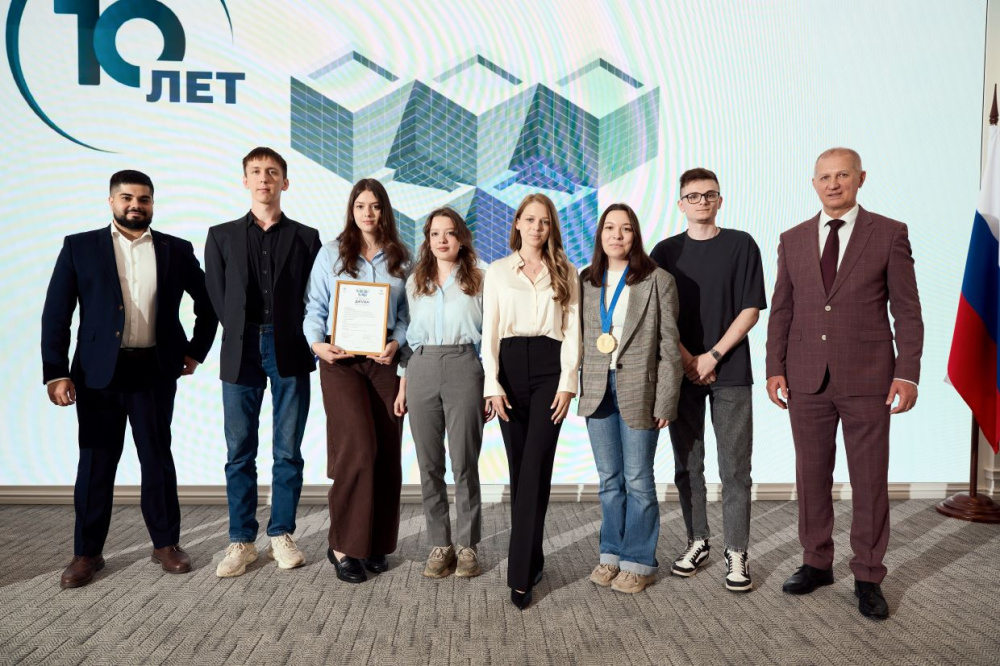
 SPbGASU team
A project by students from the St Petersburg State University of Architecture and Civil Engineering, "BIM Design of a high-rise residential building in St Petersburg according to the requirements of the Setl Group Holding," won first place in the "Student Works. BIM in Residential Buildings" category of the X All-Russian Competition with International Participation "TIM LEADERS 2025/26." This victory was the result of the collaboration between students from various fields of study, university teachers, and specialists from one of Russia's largest developers.
The "TIM LEADERS" competition, supported by the Russian Ministry of Construction, has been bringing together the best practices in the application of information modeling technologies in construction for ten years. Each year, it showcases the most successful digital solutions implemented by representatives of the professional community, educational organizations, and domestic software developers. During the anniversary season, over 160 projects from 30 cities and regions of Russia were submitted. Fifty-five projects from 16 specialized universities across the country competed for the prize in the "Student Works" section.
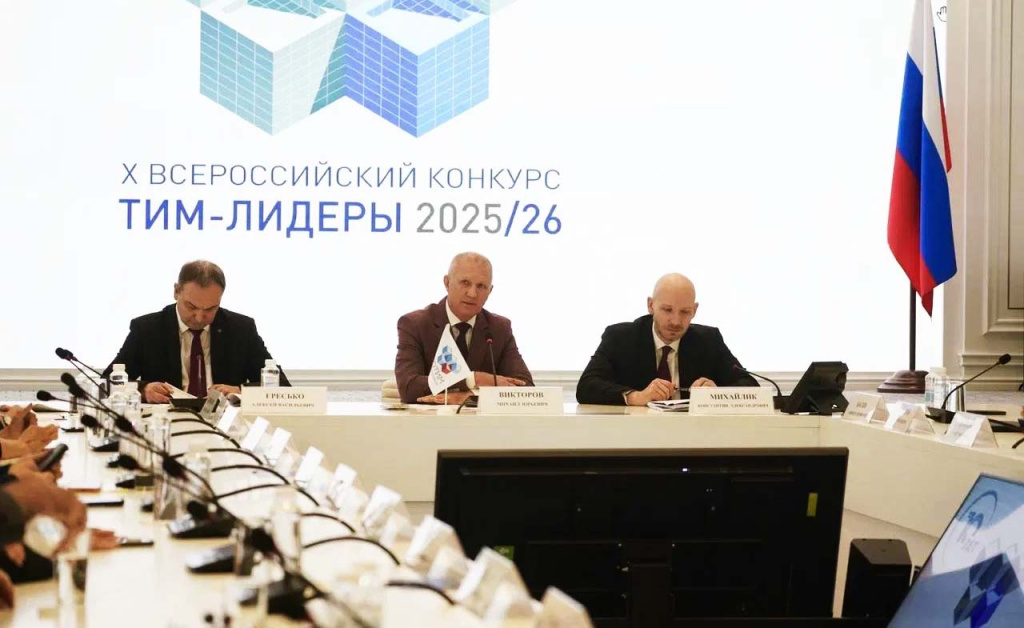 Summing up the competition results. In the presidium: Deputy Minister of Construction and Housing and Public Utilities of the Russian Federation Aleksey Eresko, President of NOTIM Mikhail Viktorov, Deputy Minister of Construction and Housing and Public Utilities of the Russian Federation Konstantin Mikhailik
The winner in the category "Student Works. TIM in Residential Buildings" was the project of SPbGASU dedicated to the design of a high-rise residential building according to the requirements of the Setl Group holding company. The team of authors worked under the guidance of senior lecturer Alekaandr Ivanov. The team included Sofia Biryulya, Edgar Barseghyan, Vladislav Gaidash, Eva Podyacheva, Laima Ezerinya, Svetlana Ustinovich, Vladimir Belov, Dmitry Lvov, Ekaterina Efimova and Daria Korneeva.
Winning the All-Russian competition was not an isolated achievement, but the result of extensive project work that was carried out throughout the academic year.
The project was implemented as part of SPbGASU's project-based learning program with the participation of Setl Group, one of the university's key industrial partners. The company commissioned the educational case, challenging students to solve a problem as close as possible to those faced daily by design organizations.
The project was conducted using the Russian information modeling system Renga. Students from different faculties, majors, and years of study worked simultaneously within a single digital model. This format not only allowed them to master modern information modeling tools but also to build collaboration between project participants, similar to that found in professional project teams.
Participants divided work tasks among themselves, jointly made design decisions, created a unified information space, and regularly discussed the project's progress with Setl Group representatives. Company experts supported the team throughout the project, helping the students address the requirements of residential design in real-world practice.
This format of interaction between the university and employer is one of the strengths of project-based learning at SPbGASU. Students have the opportunity not only to apply the knowledge they gain in the classroom but also to work on engineering problems that closely resemble production conditions. At the same time, they master modern Russian digital tools, learn to work in a team, collaborate with specialists from various fields, and make comprehensive project decisions.
The development of information modeling technologies is one of the university's priority areas. SPbGASU consistently integrates IT into the educational process, implements joint projects with leading construction companies, hosts specialized conferences, championships, and educational intensives, and creates the conditions for developing digital competencies in future engineers, architects, and designers.
The university places special emphasis on collaboration with industry partners. Through this interaction, students gain experience working with current digital technologies, become familiar with employer requirements, and participate in real-world engineering projects while still studying.
The project's high rating at the TIM LEADERS 2025/26 competition can be seen as confirmation of the effectiveness of this training model. The work of SPbGASU students was recognized as the best among projects from specialized Russian universities in the category dedicated to information modeling of residential buildings.
This is not the university's first successful participation in the "TIM LEADERS" competition. In previous years, SPbGASU student projects have also won prizes, demonstrating the high level of training of future specialists in information modeling technologies. This latest victory demonstrates that project-based learning, close collaboration with industrial partners, and the use of domestic digital solutions enable students to successfully address professional challenges and represent the university with distinction at the national level.
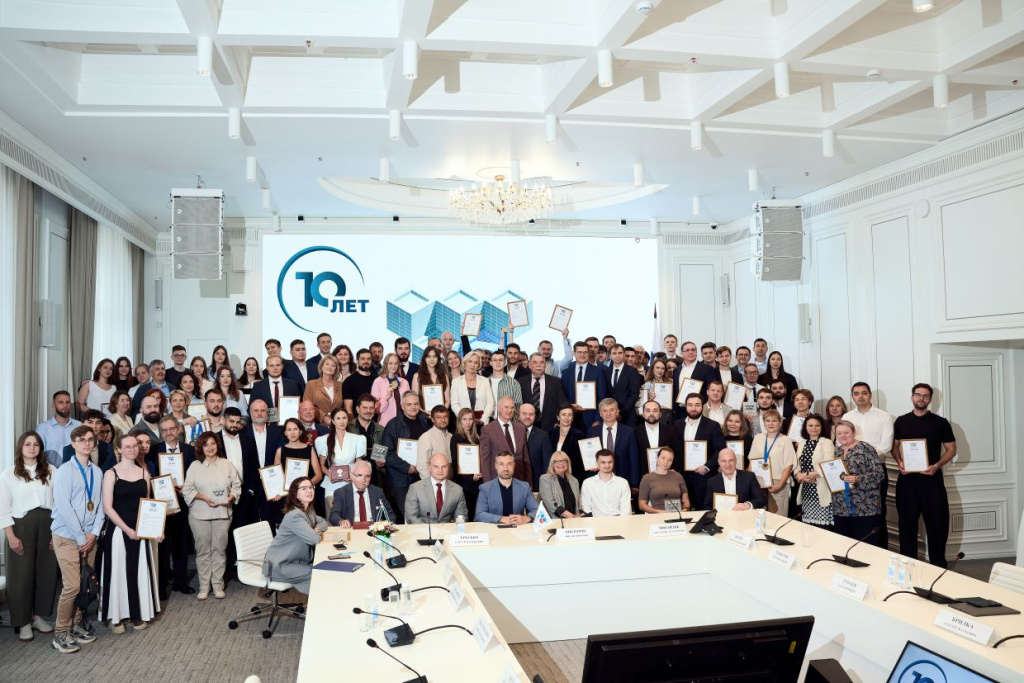 TIM LEADERS 2025/26