 Vorzogory
Project activity at SPbGASU provides students with the opportunity to work on designs in different parts of Russia.
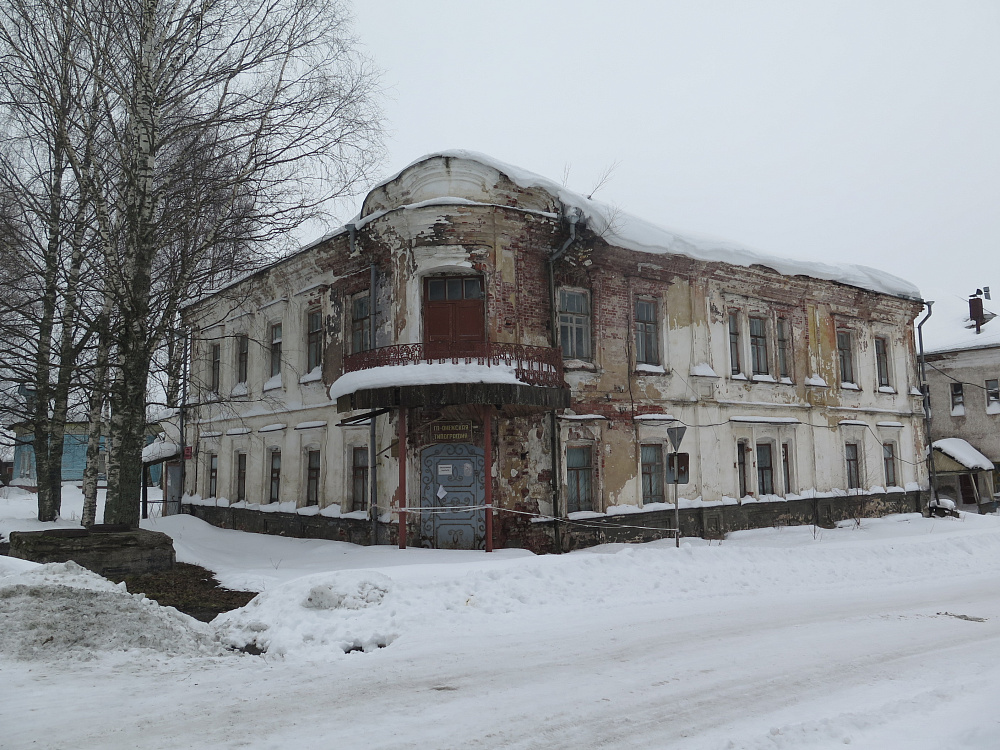
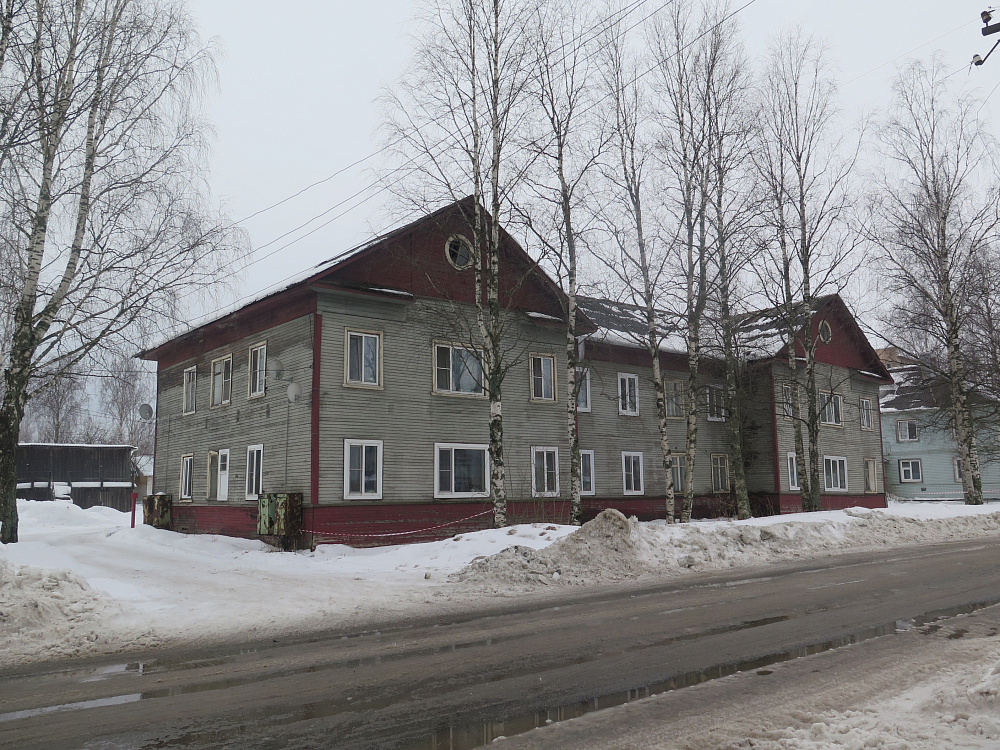
In February 2026, at the request of the Onega Municipal District Administration in the Arkhangelsk Region, a new large-scale project was launched to develop a concept for the reconstruction of the historic center and the development of tourism infrastructure in the town of Onega. To work on the project, the SPbGASU Educational Center for Project-Based Learning (ECPBL) organized a research expedition of first-year master's students from the Department of Architectural Design, led by Associate Professor and PhD of Architecture Aleksandra Eremeeva.
Studying the region is relevant to contemporary urban development policy, and in particular, it contributes to the search for effective mechanisms for the revival of small historical settlements in northern Russia.
The expedition was organized at the request of the Onega city administration as part of the SPbGASU "Project-Based Learning" program, which allows students to learn and apply the skills they acquired during their studies in practice. Significant support for the project came from Mikhail Mamoshin, a graduate of the Leningrad Institute of Civil Engineering (now SPbGASU), an academician of architecture (RAA, RAACS, MAAM), and an honored architect of Russia.
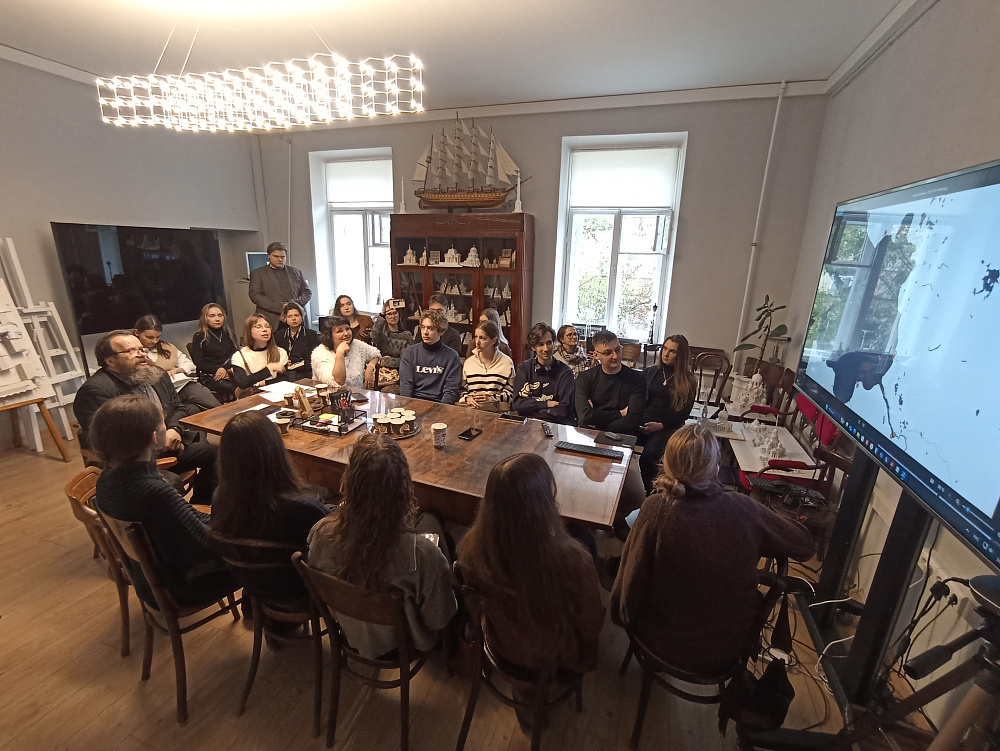
Preparations for the expedition began in mid-2025. With the assistance of Mikhail Mamoshin, a working meeting was held in St Petersburg with Vera Ponomareva, Head of the Onega Municipal District of the Arkhangelsk Region, which allowed for the alignment of academic goals with the municipality's actual needs. As a result, the students arrived on site with early versions of their design solutions, transforming the trip into a professional dialogue.
The relevance of the work is also underscored by its comprehensive approach to the topic. As project manager Aleksandra Eremeeva notes, "We are combining the development of the historic center and tourism in the Onega District. The town of Onega has deep roots in Pomor culture, and our goal is to leverage this heritage to improve the quality of life for residents and enhance the district's tourism appeal. The two-year project will conclude with the defense of the theses in June 2027, and the current expedition is an impotant step in obtaining feedback from the local community, whose opinions are crucial for future work."
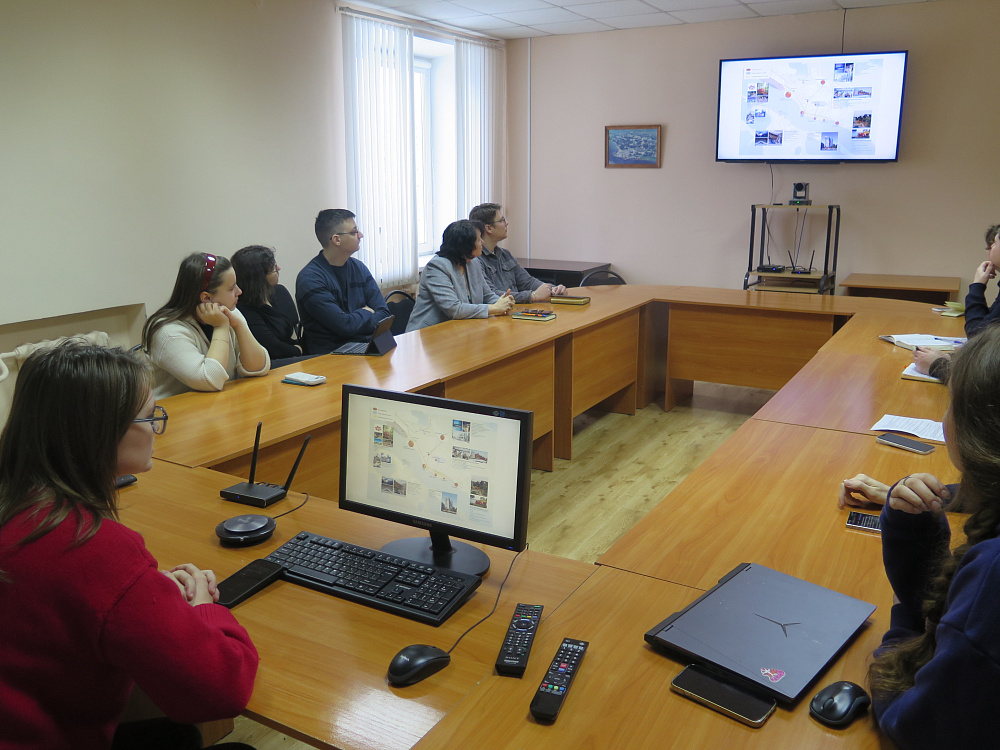
The expedition program was not only useful but also packed with professional activities. The Onega District Administration prepared a route that allowed for a deep appreciation of the local character. A key part of the expedition was the on-site survey of the design sites.
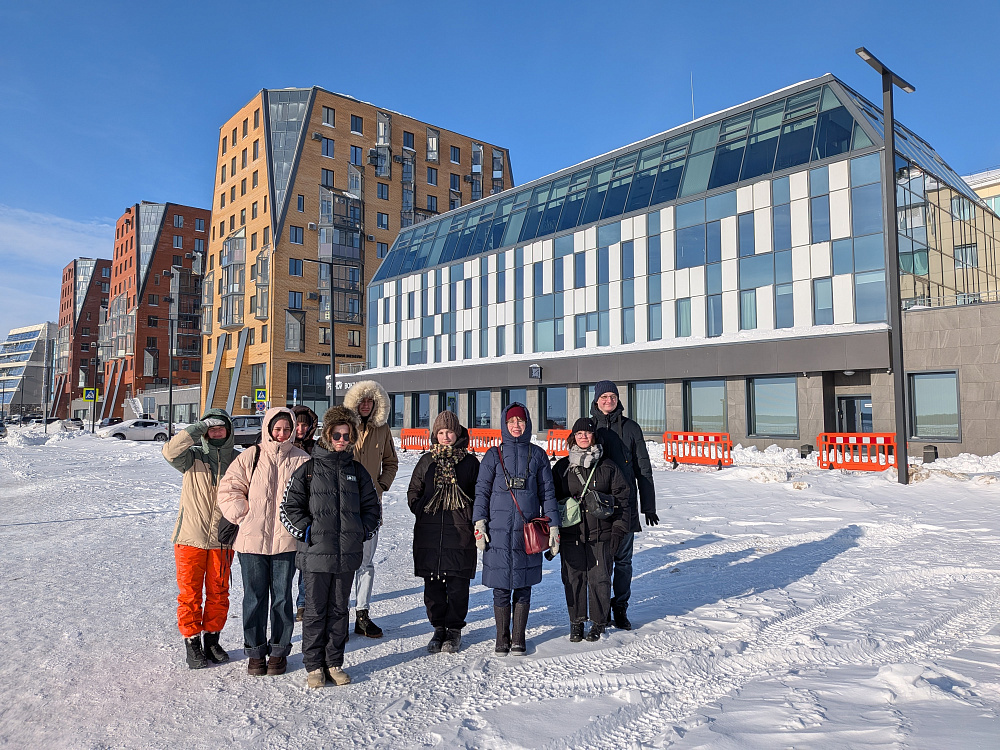
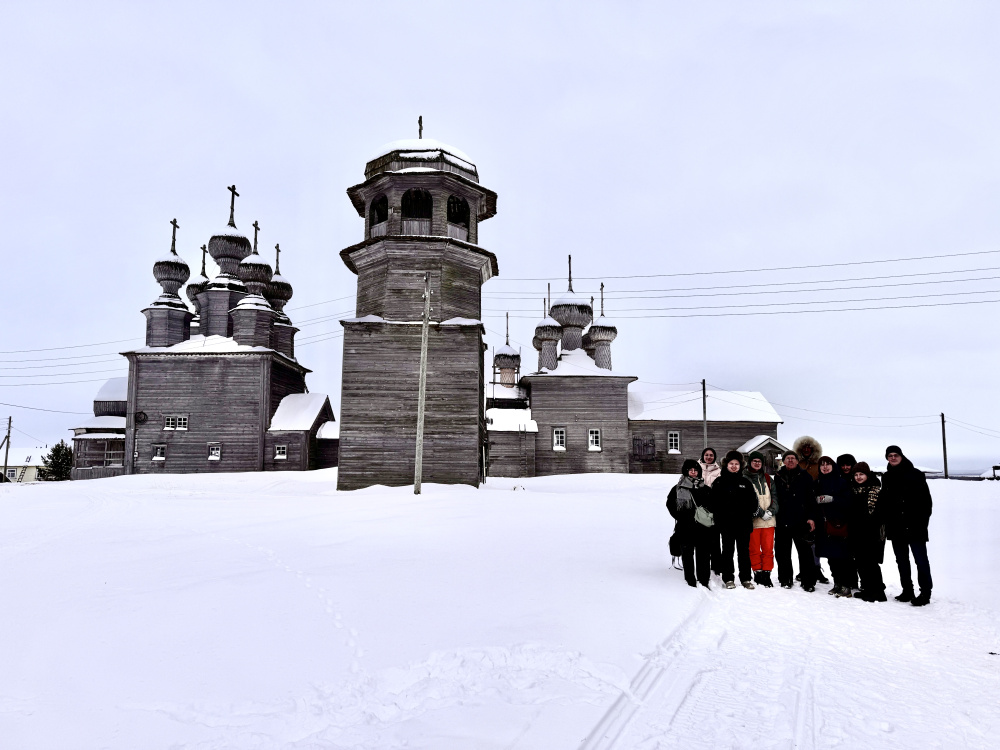
.JPG) Expedition participants: Master's students Valeria Trepykhalina, Angelina Savitskaya, Arina Tikhonova, Aleksandr Grekov, Sofia Galkina, Associate Professor at the Department of Architectural Design Aleksandra Eremeeva, Head of the Onega District Vera Ponomareva, Master's student Svetlana Bryukhanova, employees of Mamoshin's workshop Evgeniya Saenko and Aleksey Matveenko (SPbGASU PhD student)
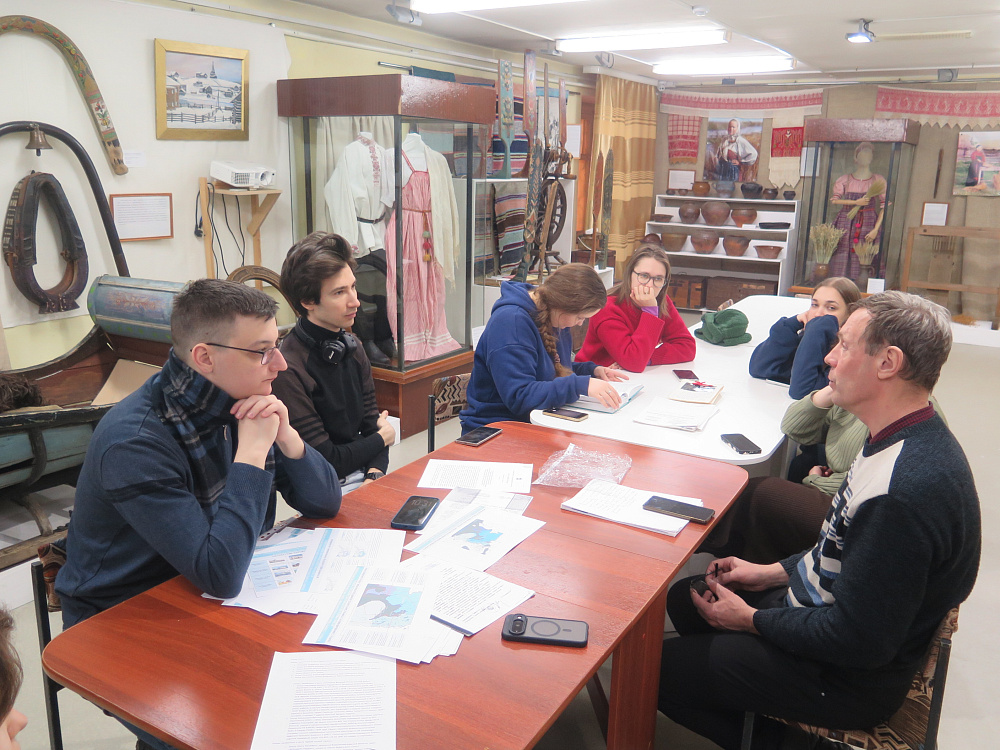
Expedition participants: Master's students Valeria Trepykhalina, Angelina Savitskaya, Arina Tikhonova, Aleksandr Grekov, Sofia Galkina, Associate Professor at the Department of Architectural Design Aleksandra Eremeeva, Head of the Onega District Vera Ponomareva, Master's student Svetlana Bryukhanova, employees of Mamoshin's workshop Evgeniya Saenko and Aleksey Matveenko (SPbGASU PhD student) The cultural program included visits to the Onega Historical and Memorial Museum, Kiy Island, and the village of Vorzogory, where a unique wooden architectural complex known as the "troynik" (a three-story building) has been preserved. These impressions and the collected materials will form the basis for further work.
The expedition included Aleksey Matveenko, a PhD student in the Department of Architectural Design, whose research is devoted to the architectural features of the cultural centers of the White Sea region. This added to the research character of the expedition.
"The project's practical significance for the town of Onega is undeniable. The results of the two-year project will be shared with the administration for potential practical use. Furthermore, a series of scientific publications and presentations at relevant conferences are planned. Thus, the "Concept for the Reconstruction of the Historic Center and the Development of Tourist Infrastructure in the City of Onega" is a striking example of the successful symbiosis of education, science, and real-world municipal objectives, confirming that student design can serve as an effective tool for the socioeconomic development of small towns.