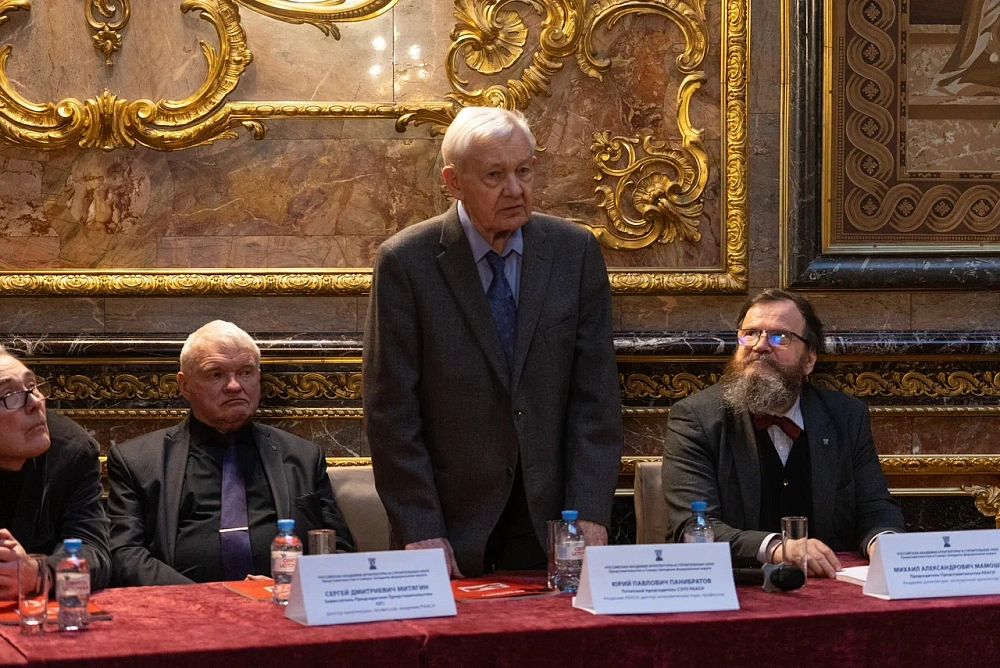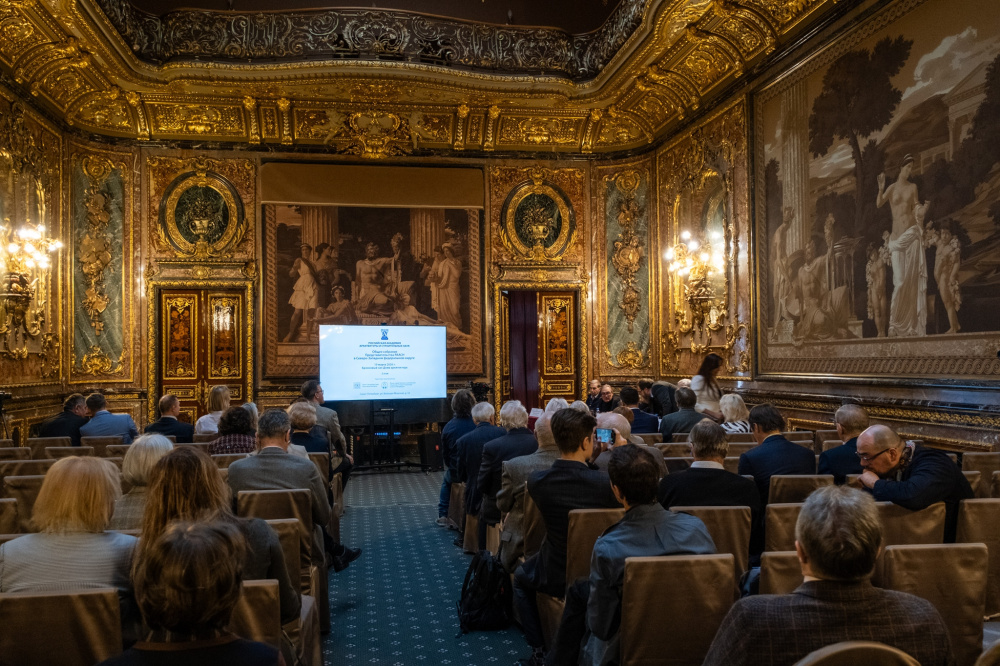
On 19 March, the general meeting of the representative office of the Russian Academy of Architecture and Construction Sciences (RAACS) in the Northwestern Federal District (NWFD) was held in the historic House of Architects in St Petersburg. The event brought together leading scientists and industry specialists and provided a platform for discussing current scientific and professional issues.
The audience was addressed with welcoming words from Mikhail Mamoshin, Chairman of the Representative Office of the Russian Academy of Architecture and Construction Sciences in the Northwestern Federal District, Academician of the Department of Architecture; Sergey Mityagin, Academician of the Department of Urban Development; Vladimir Travush and Yury Panibratov (Visiting Professor at SPbGASU), Academicians of the Department of Construction Sciences; and Dmitry Bush, Academician of the Department of Architecture.
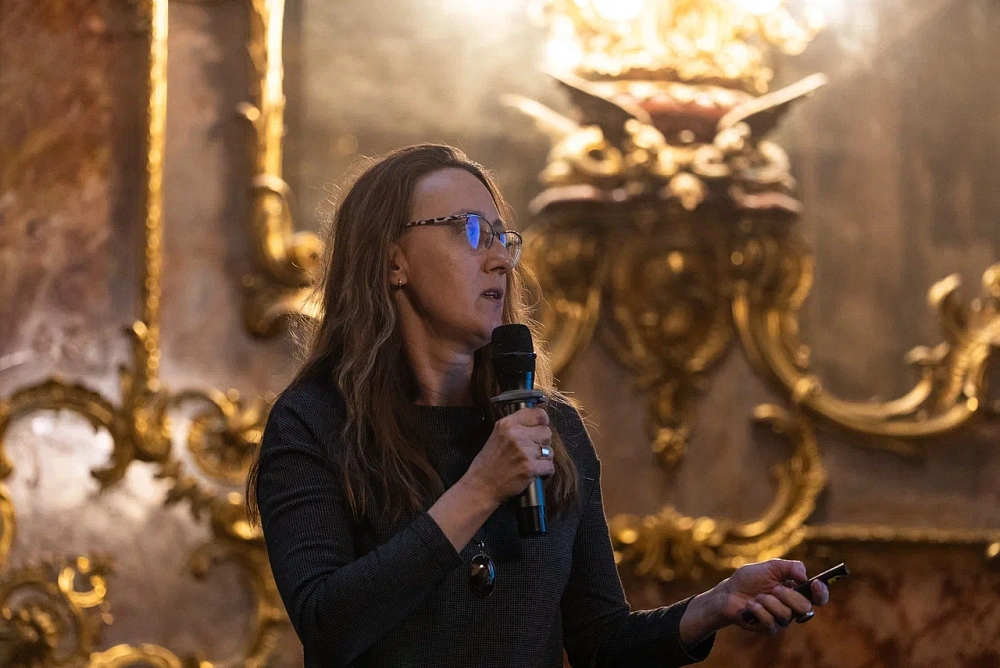
One of the key events of the meeting was the report by Veronika Asaul, Head of the SPbGASU Department of Construction Economics and Housing and Utility Infrastructure, Chair of the RAACS Scientific Council on Economic Issues in Architecture, Urban Planning, and Construction Sciences, and DSc in Economics. Her presentation focused on the continuity of scientific knowledge as a fundamental principle for the development of economic science.
Veronika Viktorovna noted that for many years the Scientific Council was headed by Yury Panibratov, Academician of the RAACS and DSc in Economics. Over the past decade, he guided issues related to improving the efficiency of urban planning and construction, including life cycle assessment of facilities, economic justification of energy-efficient technologies, the development of digital design methods (BIM), and mechanisms for sustainable urban planning.
In 2026, Veronika Asaul assumed leadership of the Scientific Council. In her speech, she placed particular emphasis on the continuity of scientific schools. As she emphasized, this principle ensured the preservation and development of scientific knowledge, its critical rethinking, and its transmission to new generations of researchers. Over 20 years of collaboration with Yury Panibratov have allowed for the formation of a sustainable scientific tradition that continues to evolve. This year, the scientific schools merged, and the school led by Veronika Asaul was included in the register of leading scientific schools in St Petersburg.
Veronika Asaul identified the industry's key economic challenges as a lack of funding and investment, rising costs of construction materials, labor shortages, technological lag, and the need for digitalization and environmental compliance. These challenges determine the direction of future scientific research and will be a focus of the RAACS Scientific Council.
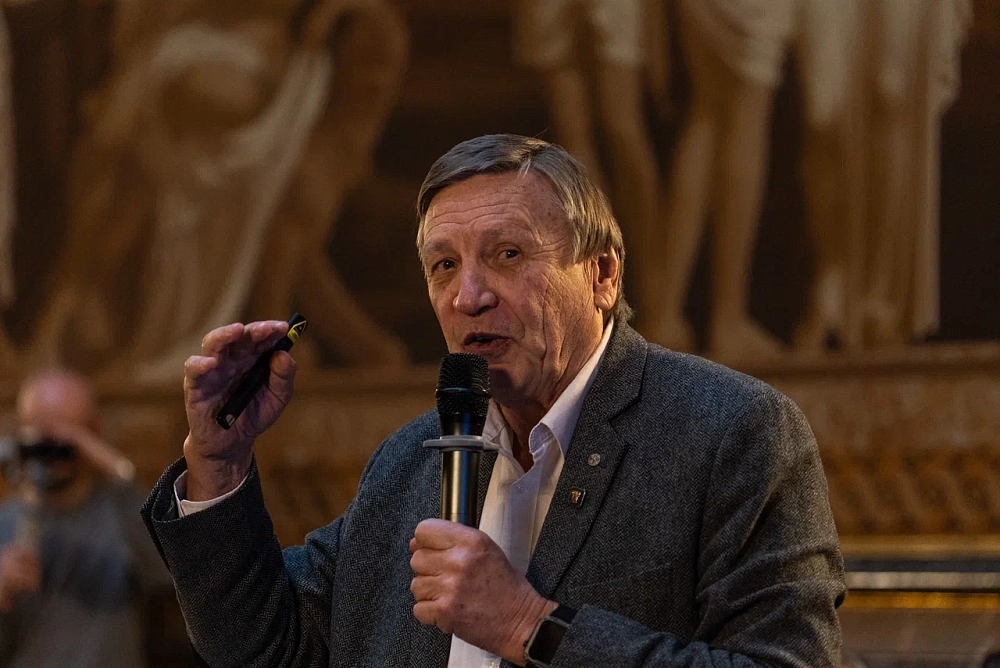
The meeting focused on modern advances in the construction industry. Rashid Mangushev, Deputy Chairman of the RAACS' Scientific Council for Geotechnics, Professor at the SPbGASU Department of Geotechnics, and DSc in Engine ering, presented a report titled "Unique buildings and structures foundations constructed in the past 10 years in St Petersburg," which explored innovative solutions in the field of foundations engineering.
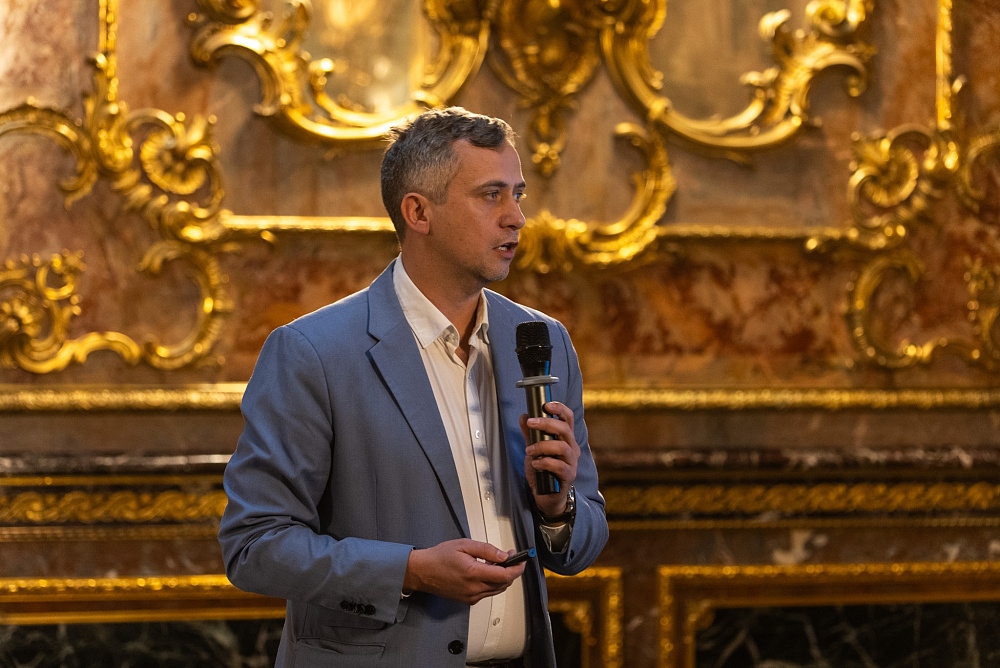
During the meeting, reports were heard from candidates for membership in RAACS: in the architecture field – by the Head of the SPbGASU Department of Urban Planning, DSc in Architecture Yulia Yankovskaya and the First Deputy Chairman of the Committee on Urban Planning and Architecture – Chief Architect of Saint Petersburg, graduate of LISI (now SPbGASU) Pavel Sokolov; in the urban planning field – Associate Professor at the SPbGASU Department of Urban Planning, Chief Architect of the Leningrad region, PhD of Architecture Sergey Lutchenko; in the field of construction sciences – Rashid Mangushev.
Following the meeting, participants noted the high level of scientific discussion and the importance of the issues discussed for the development of the architectural and construction industry. The event contributed to strengthening professional ties and identifying priority areas for further research.