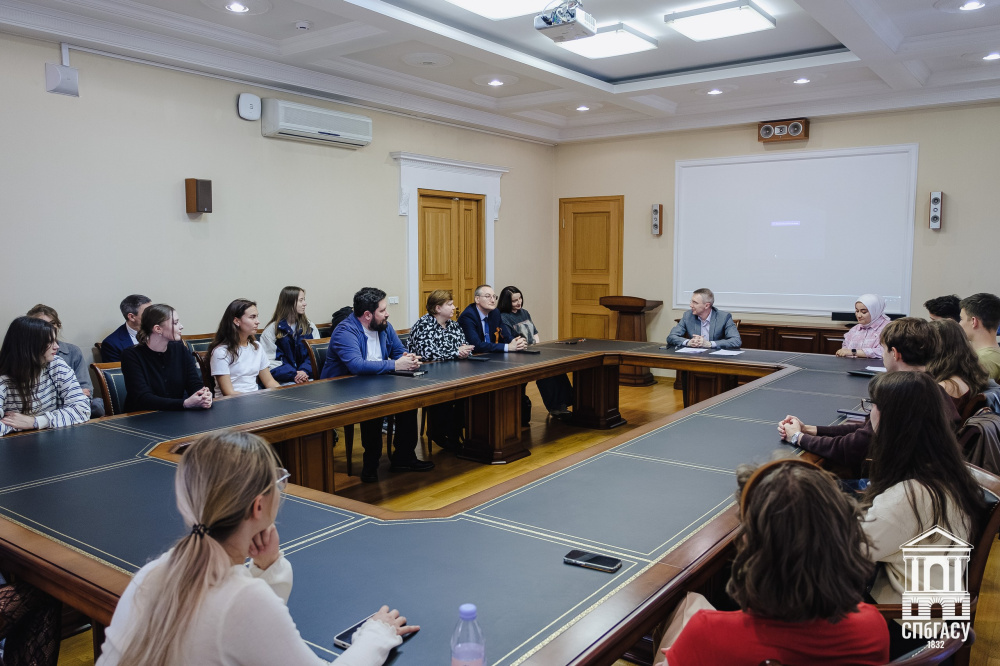
 At the meeting. Fifth from left is Andrey Surovenkov, followed by Galina Tokunova, Andrey Zazykin, Head of the International Relations Division Shuainat Akhmadulaeva, Sergey Mikhailov, and Sabrinakhon Solehzoda.
Students from the Saint Petersburg State University of Architecture and Civil Engineering have returned from the People's Republic of China, where they participated in an outgoing academic mobility program at Henan University of Urban Construction. The spring internship marked the eighth time SPbGASU students have traveled to a partner university and brought together 24 students from the faculties of architecture, civil engineering, automobile and road building, and economics and management.
The group's curator during the trip was Sabrinakhon Solehzoda, a first-year PhD student in the Department of Metal and Timber Constructions.
The program is being implemented as part of a long-term collaboration between universities and is aimed at developing international educational interaction, academic mobility, and professional exchange.
Studying and getting to know the Chinese education system
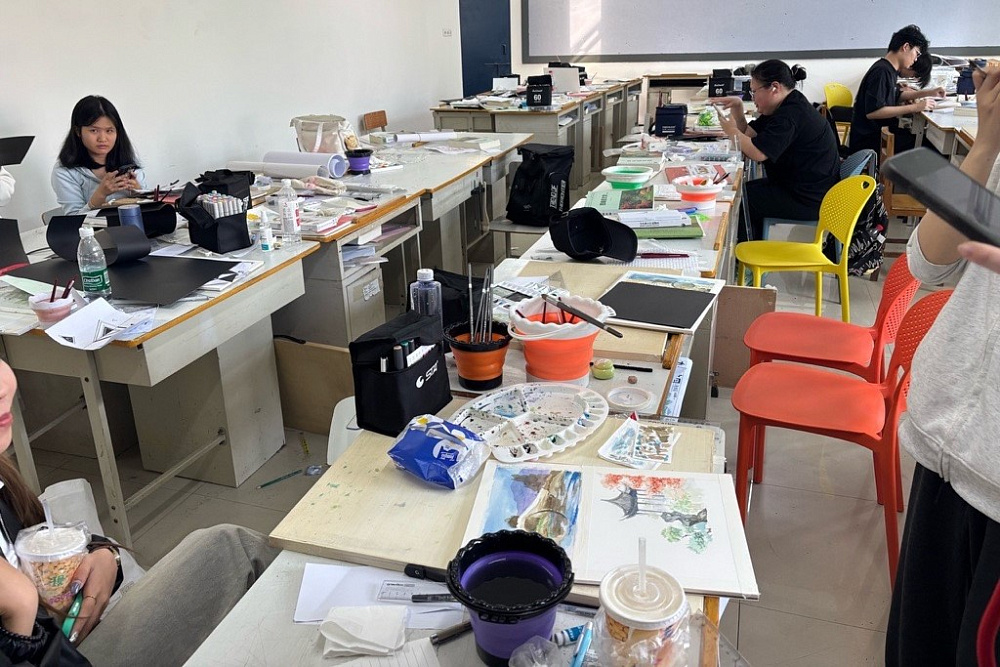
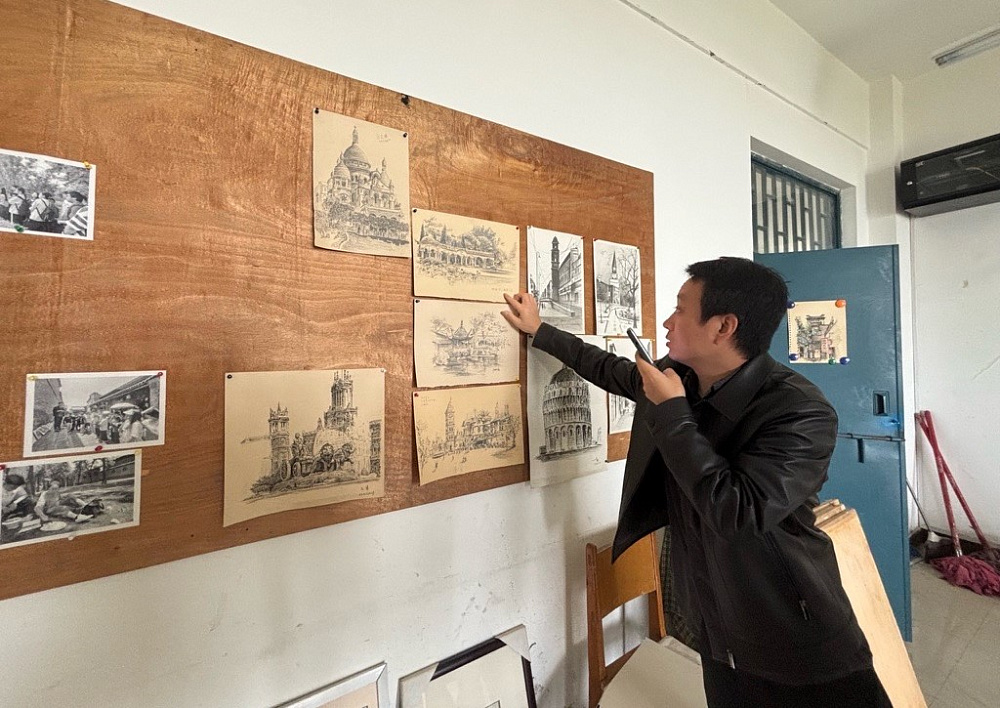
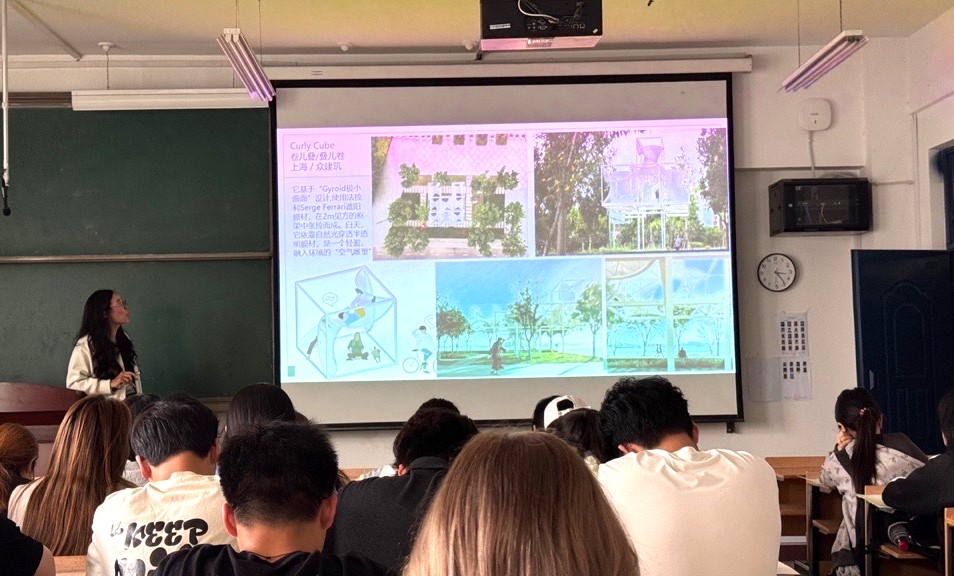
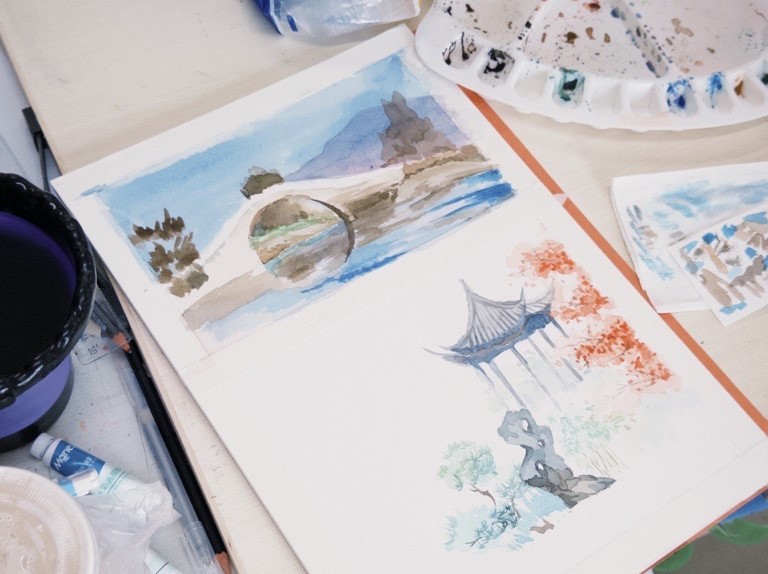
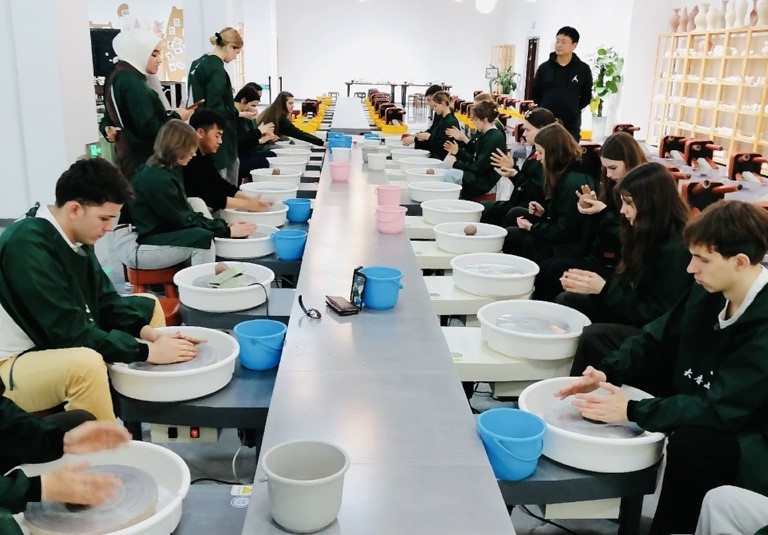
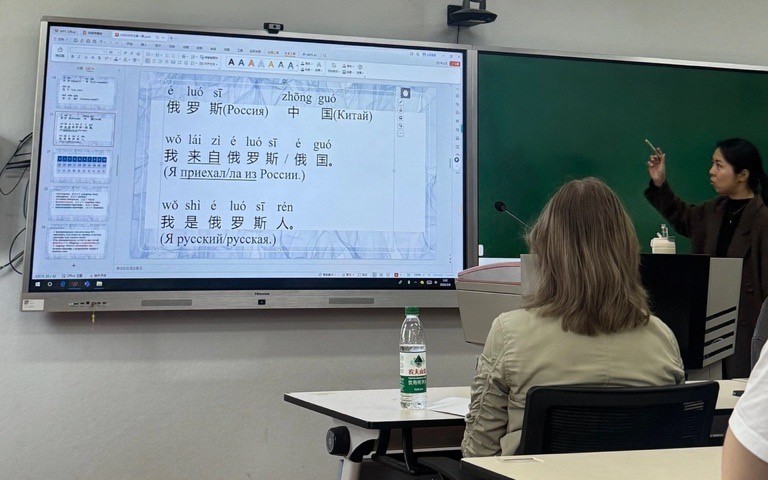
During their internship, the students attended classes alongside Chinese students. Participants enjoyed lectures and practical lessons on structural mechanics, architectural and landscape design, as well as classes in Chinese language and the history of Chinese architecture.
The students were particularly interested in the format of the Chinese university's education: many classes combined lectures and practical exercises, allowing them to immediately apply their acquired knowledge in practice. Despite the language barrier, the participants noted that the professional language of architecture and engineering proved universal.
"Even though the lecture was entirely in Chinese, the formulas and engineering principles were clear. We saw that structural mechanics in China and Russia are largely similar," the students shared.
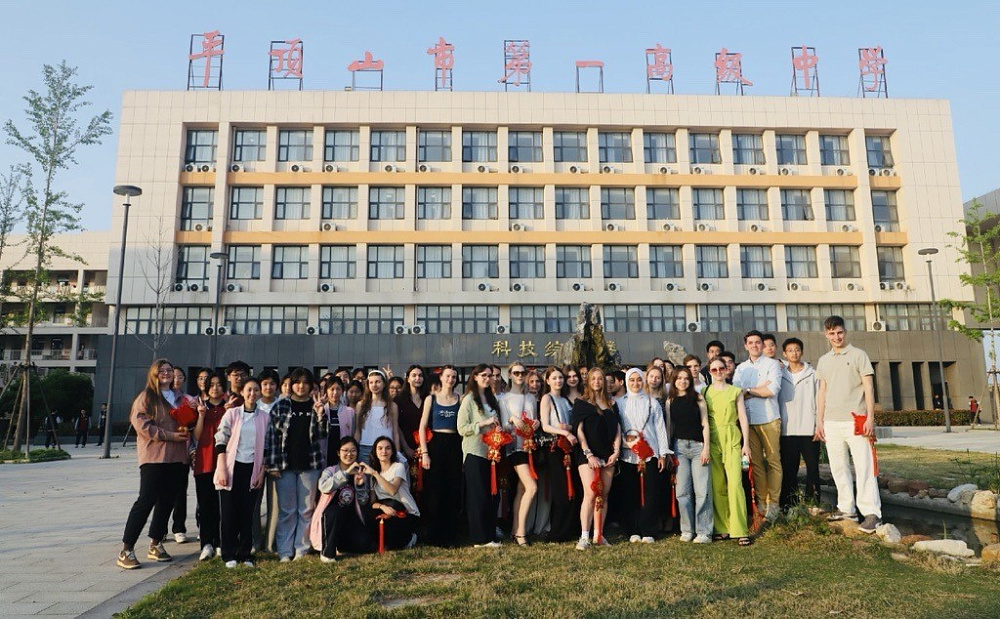
In addition to university classes, program participants visited a Chinese school, learned about the country's educational system, and interacted with local schoolchildren.
From tea plantations to the Terracotta Army
The program was rich and included numerous cultural events and excursions. During their trip, the SPbGASU students visited the Pingdingshan Museum, a Buddhist monastery, and the Great Buddha statue. They also saw the famous Terracotta Army, visited tea plantations, modern architectural sites, and university campuses.
Participants were particularly impressed by the scale of Chinese cities, the combination of traditional and modern architecture, and the high level of organization of university infrastructure.
Kung Fu, sports, and student socializing
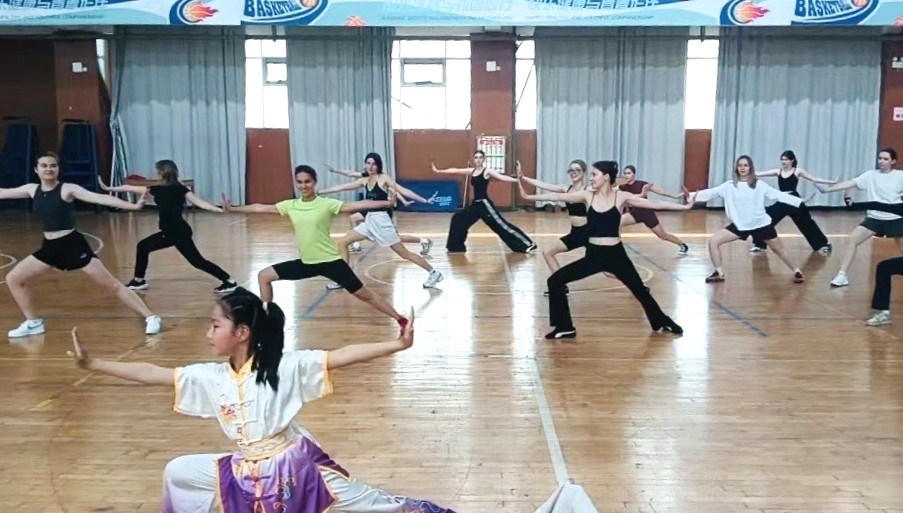
The program also included sporting events. SPbGASU students participated in two kung fu classes led by Chinese masters, learned elements of traditional martial arts, and attended university sports competitions.
An equally important part of the trip was interacting with the Chinese students and volunteers who accompanied the Russian delegation throughout the program. Participants noted the openness and friendliness of their hosts.
SPbGASU summed up the program results
After returning, the students met with the SPbGASU Vice-Rector for Educational Activity Sergey Mikhailov. The deans of the faculties whose students were part of the delegation also took part in the discussion: Dean of the Faculty of Architecture Andrey Surovenkov, the Faculty of Automobile and Road Building Andrey Zazykin, the Faculty of Economics and Management Galina Tokunova and the Faculty of Civil Engineering Andrey Nikulin.
Students shared their impressions, described the program's highlights, and made suggestions for its further development.
Sergey Mikhailov emphasized that academic mobility remained a key focus of the university's international activities: "Such trips allow students not only to gain educational experience but also to experience the culture of a great civilization and expand their professional and personal horizons."
Our university notes that cooperation with Chinese universities continues to develop, opening up new opportunities for students to grow professionally, gain intercultural communication and international academic experience.
This coming summer, students are invited to participate in:
4–18 July – the summer program for students of technical specialties "AI Masters" in the city of Xi'an (People's Republic of China). Applications for participation in the program are accepted until 15 May
10–18 July – the International Summer School on Smart Cities at the Beijing University of Civil Engineering and Architecture (BUCEA, People's Republic of China). Applications for participation in the program are accepted until 1 June.