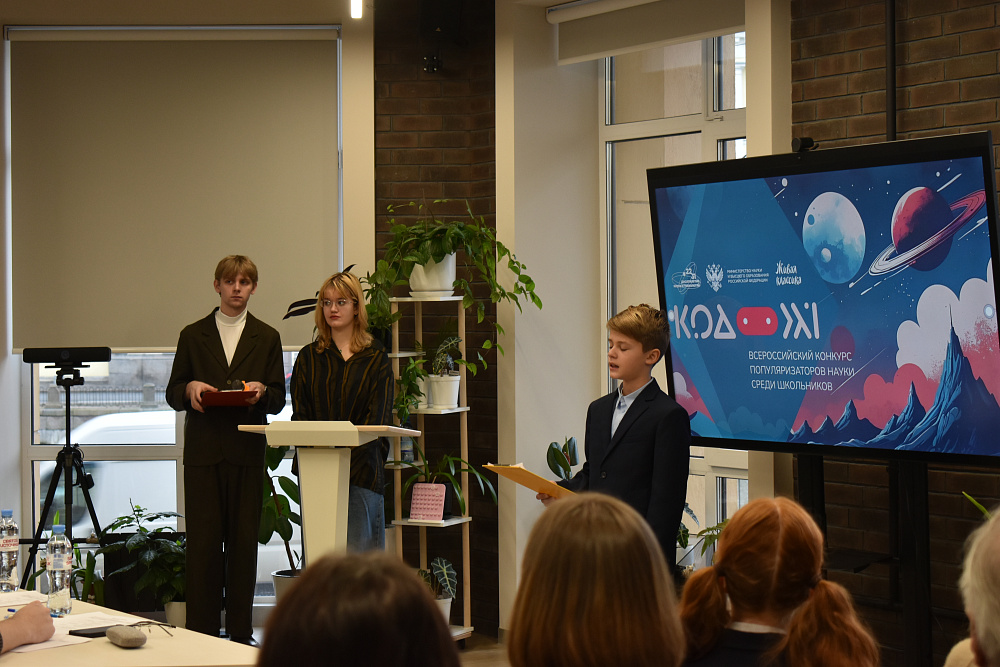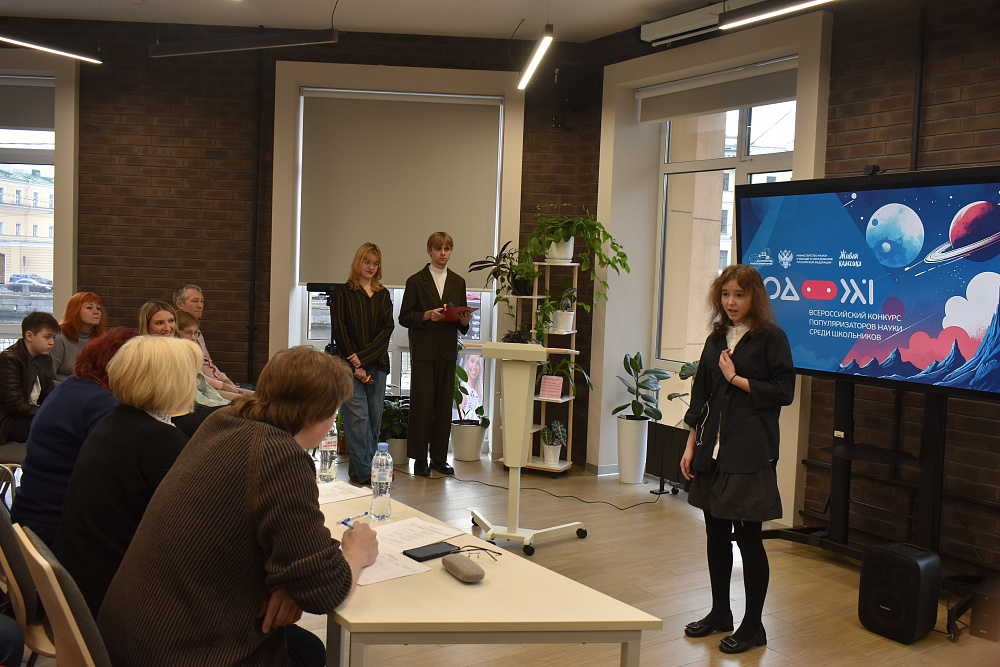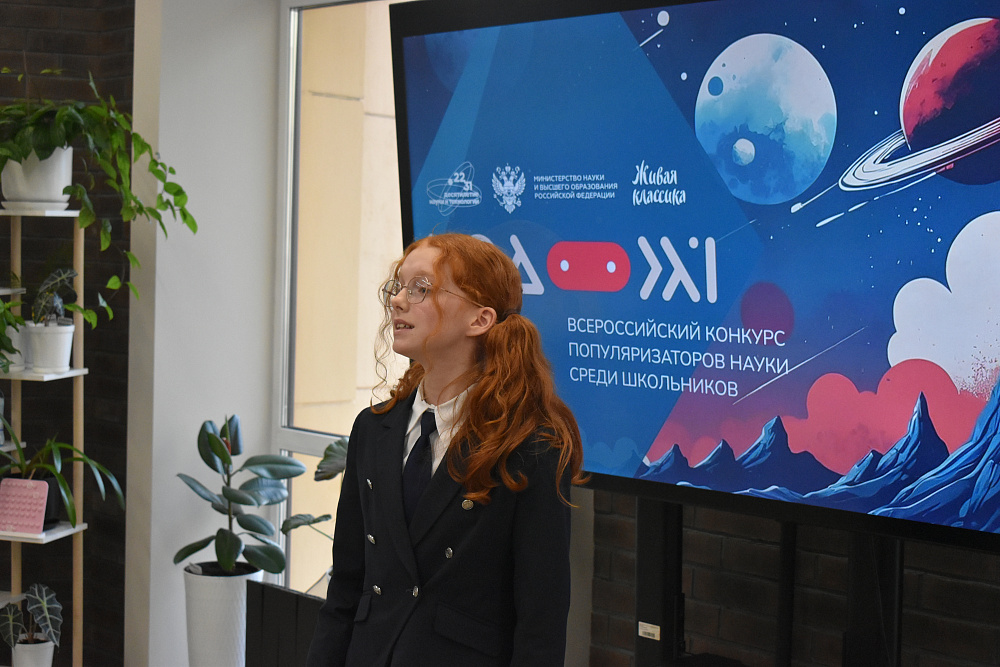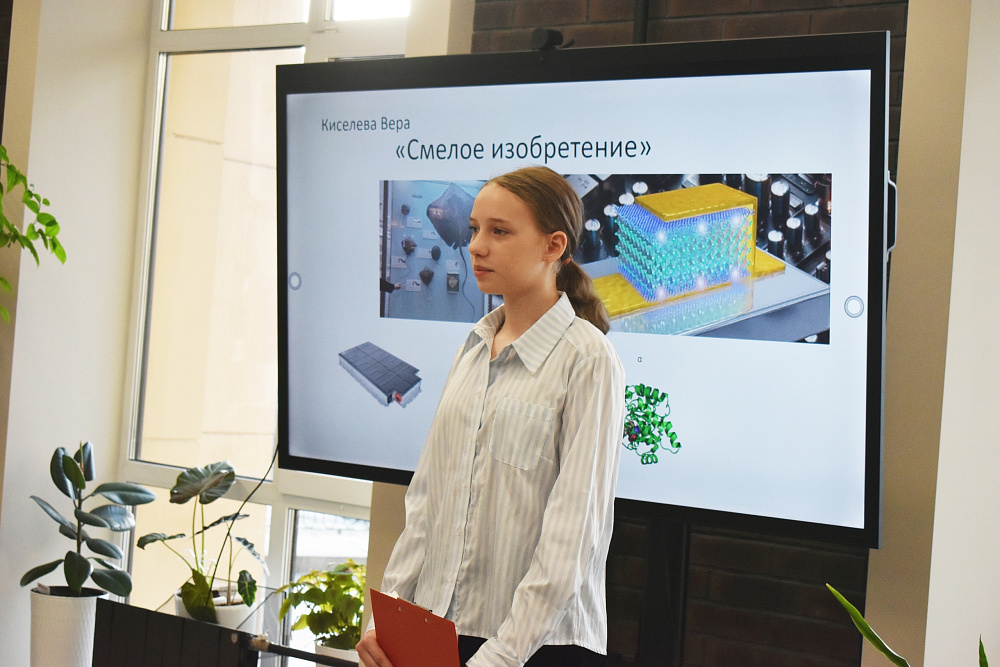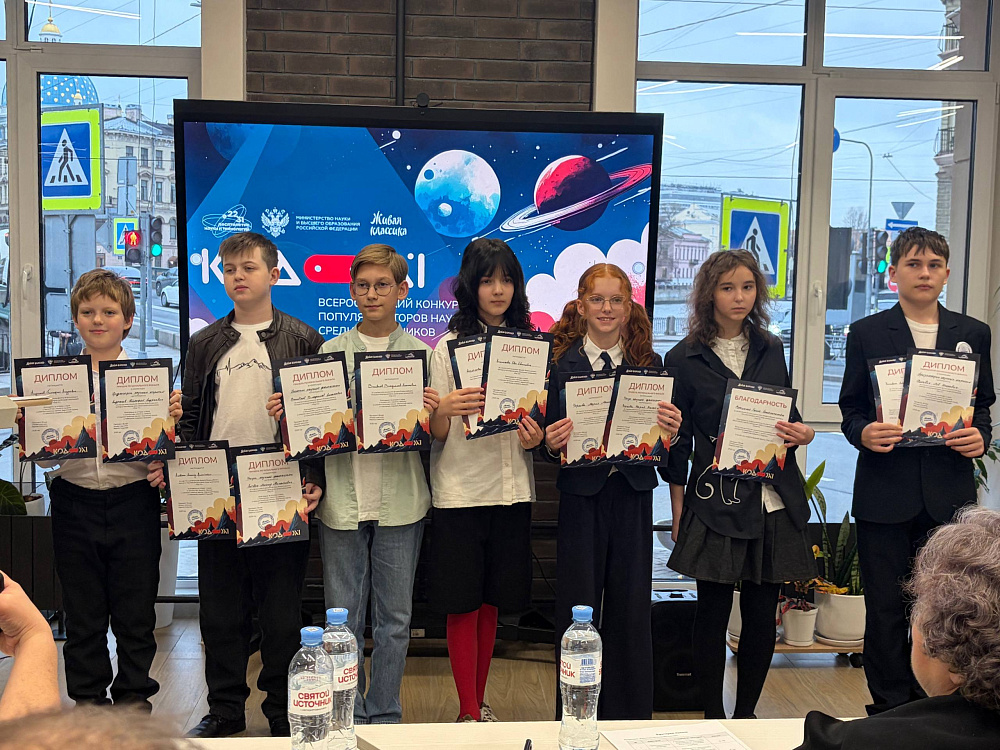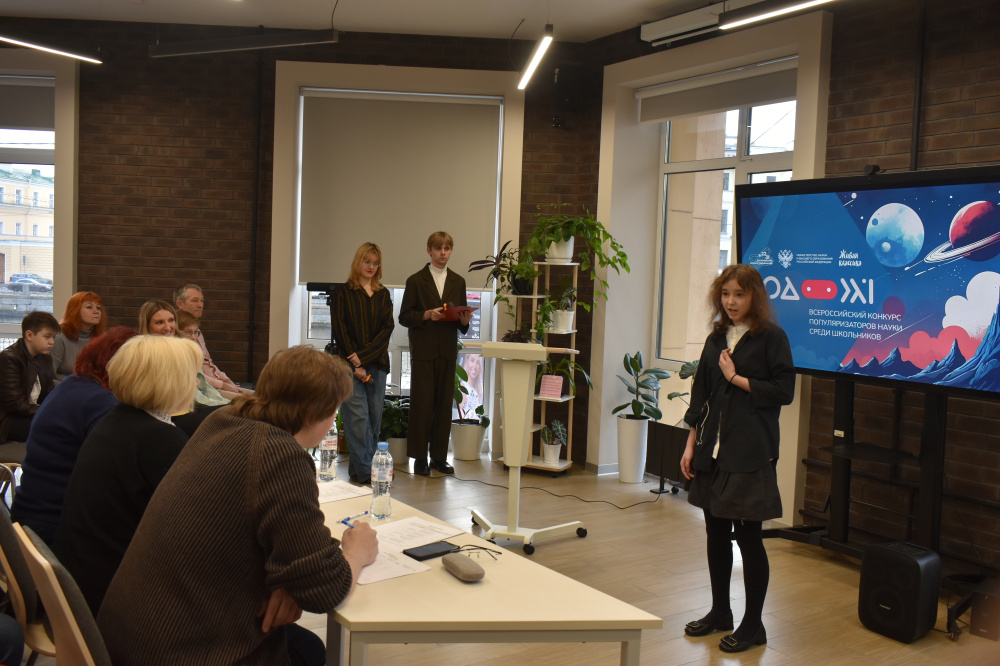
The Saint Petersburg State University of Architecture and Civil Engineering hosted the regional stage of the "Code 21" All-Russian competition for school-age science popularizers, where young participants presented their scientific projects and science fiction stories. Following the in-person rounds in St Petersburg, 90 winners were selected and are now preparing for the all-Russian final.
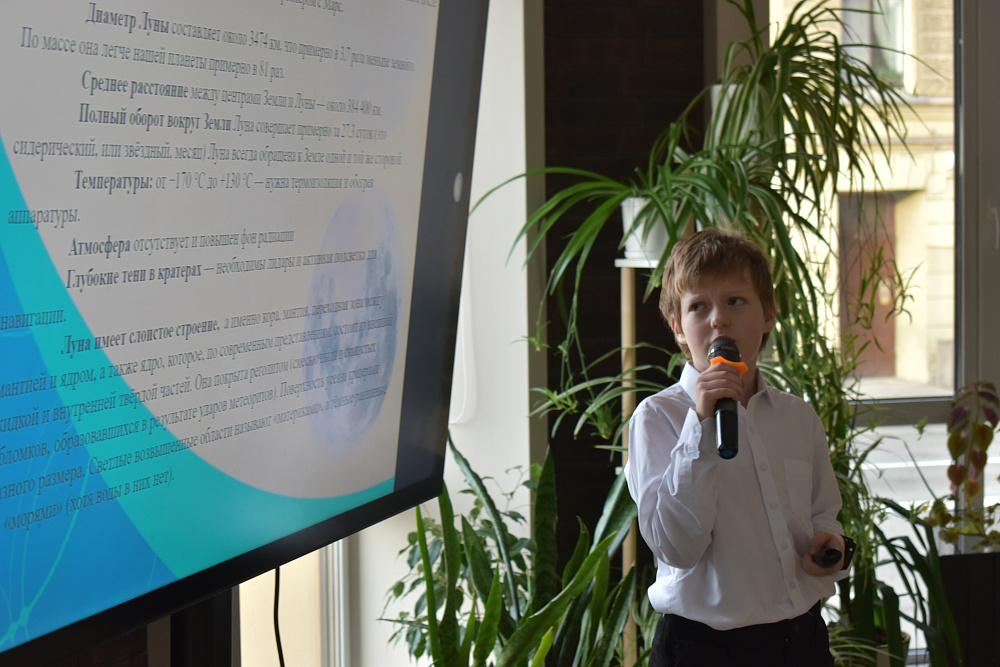
The contestants demonstrated both research and creative abilities, addressing a wide range of scientific, philosophical, and humanistic issues in their works. In their science fiction stories, the participants explored themes such as posthumanism and profound emotional experiences, while their scientific projects covered topics including gene replication, borehole drilling, and the story of Kaspar Hauser.
"The regional stage featured bright participants, full of ideas, and every presentation was unique. All the students put in a great deal of effort: they did an excellent job defending their scientific projects and science fiction stories. They are incredibly intelligent young people, and it’s a pleasure to work with them.
The writers struck the jury with the themes chosen for their stories—describing them as remarkably subtle and wise, far beyond their age. The participants explored topics such as ethics in posthumanism and profound emotional pain; beyond these emotionally nuanced narratives, they also delved into scientific subjects—new to both the jury and the audience—ranging from genetic replication and deep-well drilling to the story of Kaspar Hauser. Every presentation was of a high caliber and sparked genuine interest among those in attendance," shared Tatyana Kadatskaya, coordinator of the competition's regional stage.
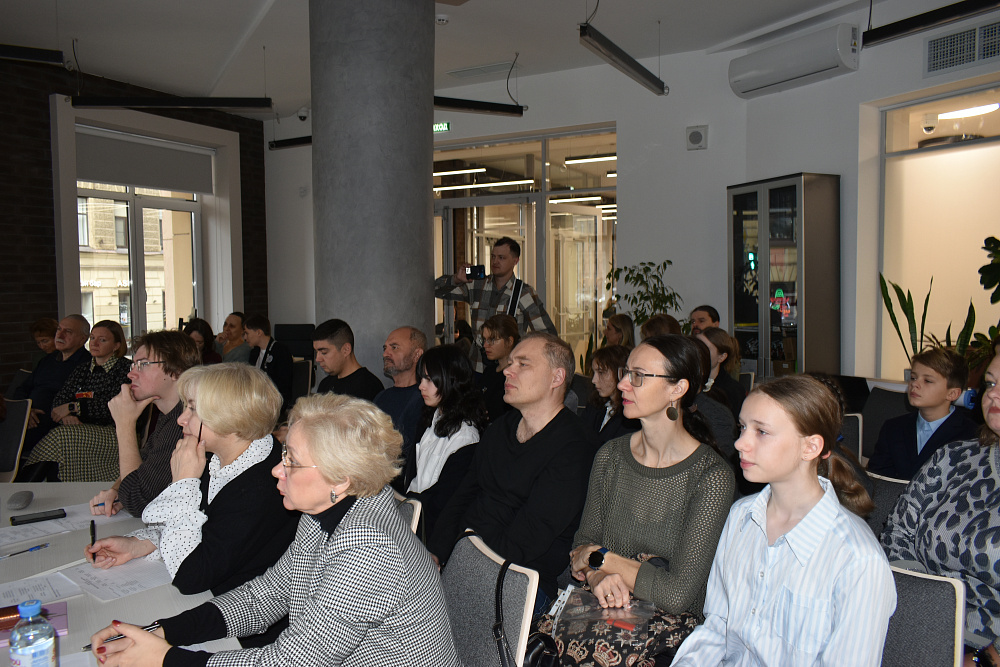
The participants' works were evaluated by representatives from the theatrical, literary, and educational communities of the Northern Capital: Aleksandr Serenko — head of the "Reniksa" studio, drama theater director, and lecturer at the Russian State Institute of Performing Arts (RGISI) and the Herzen State Pedagogical University of Russia; Violetta Minina — writer, translator, journalist, and member of the Union of Writers of Russia, the Union of Children’s and Young Adult Writers, and the International Guild of Writers; Lyudmila Krupchatnikova — artistic director of the "White Nights" theater studio, stage director, and acting coach; Galina Motoshina — director and head of the St Petersburg City Educational and Methodological Association of Theater Groups; Elena Kachalova — director and head of the "Lyolya" theater; and Sergey Ivanov — children’s author, playwright, editor, and writer of popular science and creative non-fiction books for children.
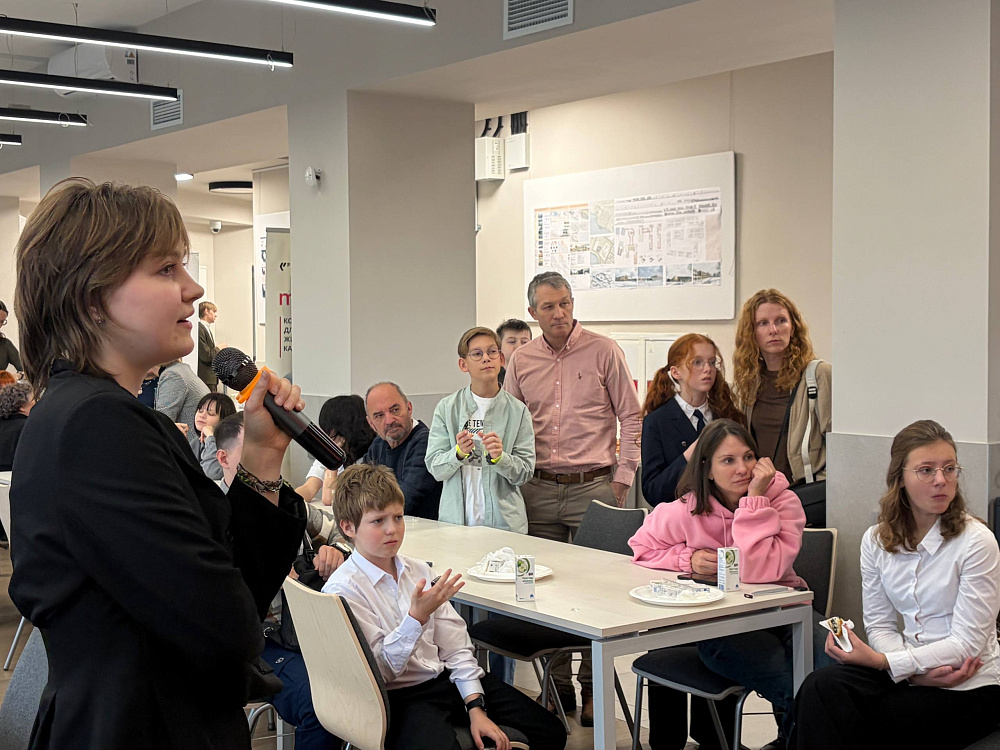
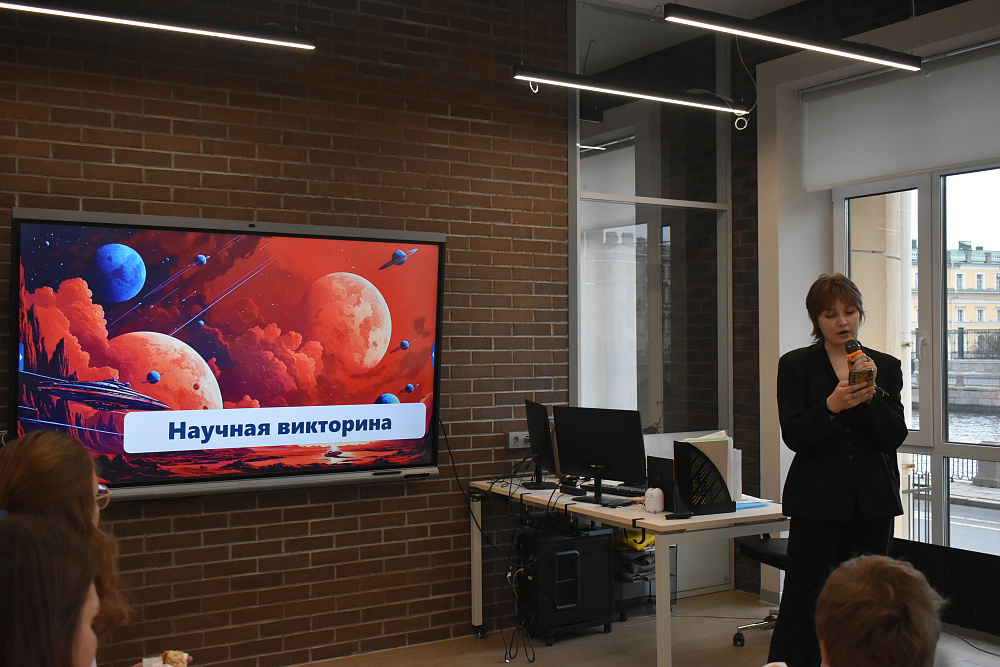
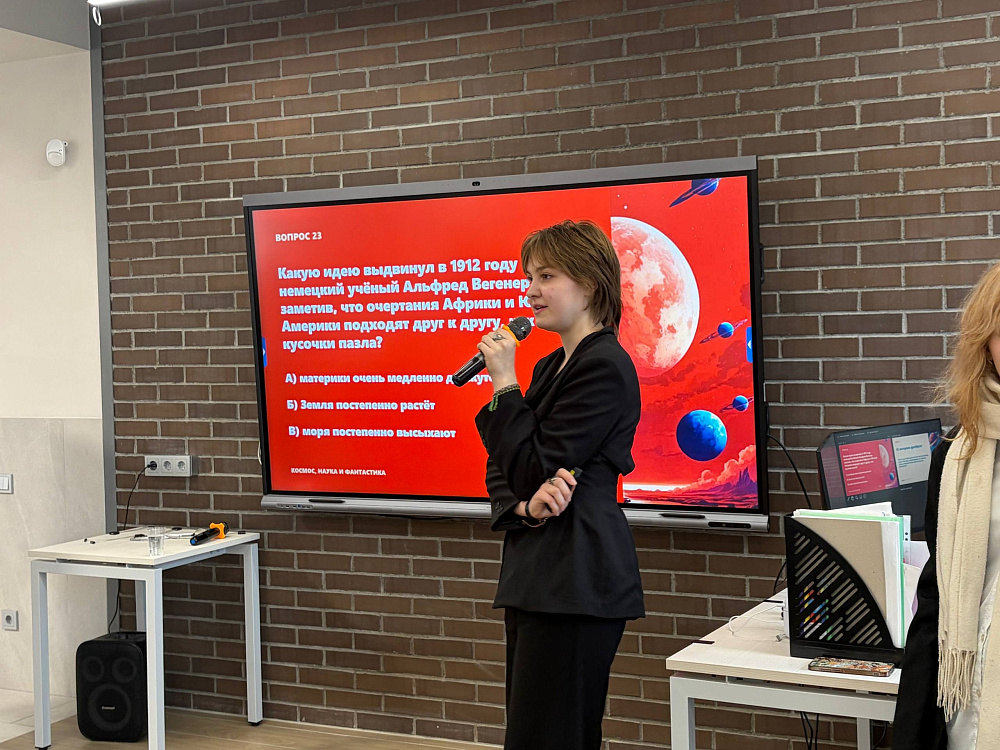
During the break, a science fiction quiz was held for the participants. The questions sparked discussions while remaining accessible, allowing the contestants to put their knowledge to the test. As prizes, the participants received spy pens with invisible ink and electronic wristbands that glow in the dark.
The regional stage was held with the support of the Educational Center for Digital Competence and the Educational Center for Project-Based Learning at SPbGASU. Volunteers and university staff assisted in organizing the event, helping to prepare the venue and ensure the smooth running of the competition. The organizers expressed their gratitude to the panel of jury for their professional evaluation of the entries, and to Tatyana Kadatskaya for organizing the regional stage and providing support to the contestants.
The All-Russian competition for school-age science communicators, "Code 21," is held with the support of the Ministry of Science and Higher Education of the Russian Federation as part of the Decade of Science and Technology in Russia (2022–2031).