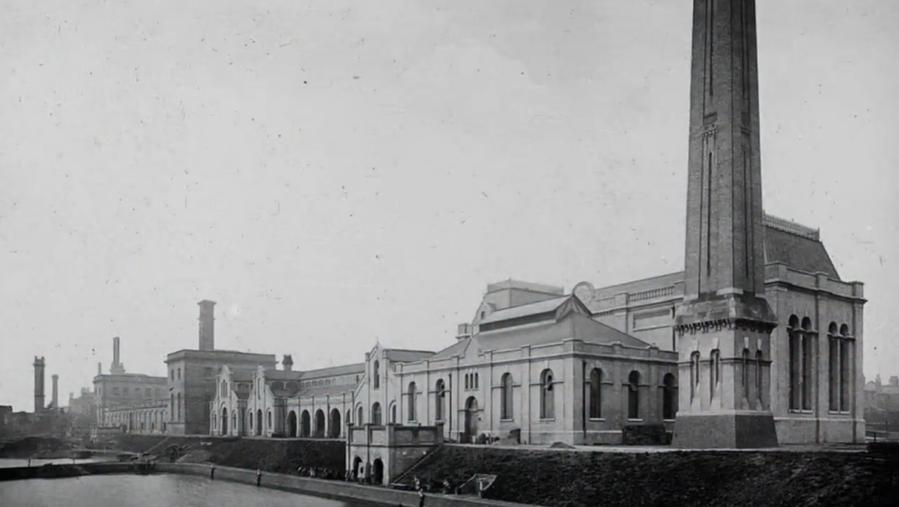
Maria Granstrem, PhD of Architecture, Associate Professor at the SPbGASU Department of History and Theory of Architecture, conducted a study on the creation of innovative scientific and technological centers (ISTC) for the biopharmaceutical industry based on historic industrial and fortification sites.
Today, former industrial buildings and other cultural heritage sites are increasingly being given a new lease on life. However, since the 1990s, the practice of repurposing such sites in Russia has primarily focused on creating leisure spaces, community centers, and office clusters. The potential for housing modern scientific and technological production facilities within historic buildings remains less explored. Moreover, no methodology for the contemporary use of fortifications for such purposes has yet been developed—either in Russia or abroad.
Maria Granstrem’s research examines the possibility of combining two objectives: the development of high-tech industry and the preservation of historical architectural heritage. This approach aligns with St Petersburg’s innovative development trajectory, which envisions the city evolving into a leading 21st-century scientific and technological metropolis.
The study synthesized experience regarding the establishment and development of ISTCs focused on research and development in the biopharmaceutical sector. Additionally, a classification was conducted of St Petersburg’s historical industrial and fortification sites that are potentially suitable for housing such centers.
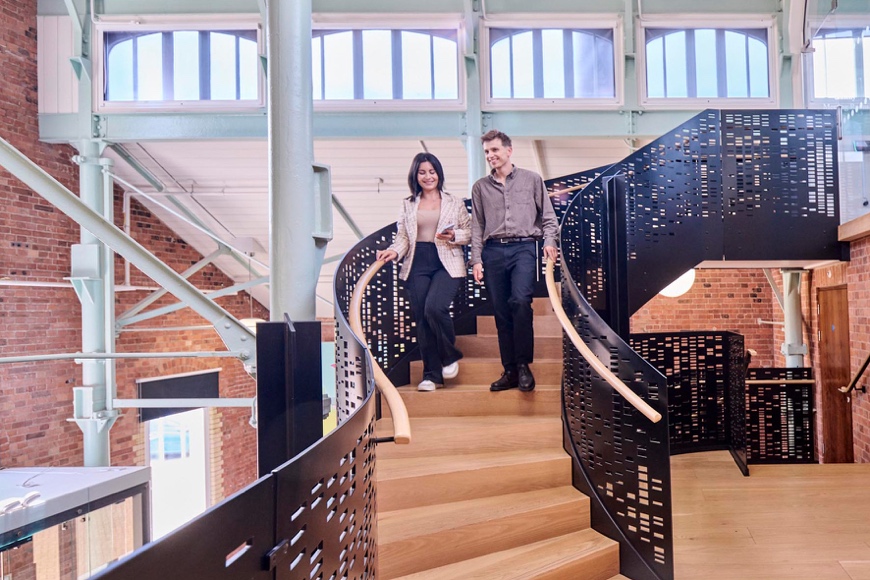
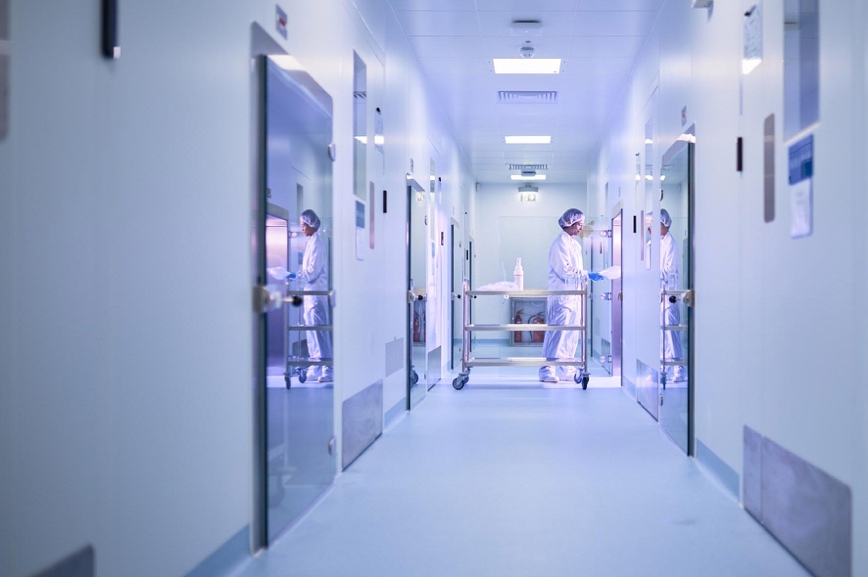
Based on the data obtained, a theoretical model has been developed for establishing an ISTC within historical and fortification sites requiring adaptation for modern use. Particular attention is paid to the internal organization of such facilities: principles have been defined for the architectural design of modular spaces that can be integrated into cultural heritage buildings, taking into account the specific requirements of biopharmaceutical technologies.
A separate area of research was the adaptation of industrial monuments of St Petersburg to modern environmentally friendly production. The proposed solutions allow us to consider historical buildings not only as objects of preservation, but also as a potential basis for the development of modern high-tech industry. The developed approaches can be used not only in the Northern capital, but also when working with similar objects in other regions of Russia.
The scientific novelty of the study lies in the development of criteria for assessing the feasibility of locating a biopharmaceutical-sector ISTC within historic industrial and fortification facilities.
The practical significance of the work lies in the potential to implement a collaboration strategy for specialized biotechnological ISTCs. This strategy entails integrating applied developments with academic and fundamental science and supporting the entire innovation lifecycle—from the initial idea to technology transfer into production.
At the same time, integrating the ISTC into the structure of a cultural heritage site can serve as a tool for its revitalization. Adapting a historic building to new functional requirements makes it possible to preserve its architectural value while simultaneously finding a sought-after modern use for it.
The study was conducted under a grant for research activities to be carried out by academic staff of SPbGASU in 2026.