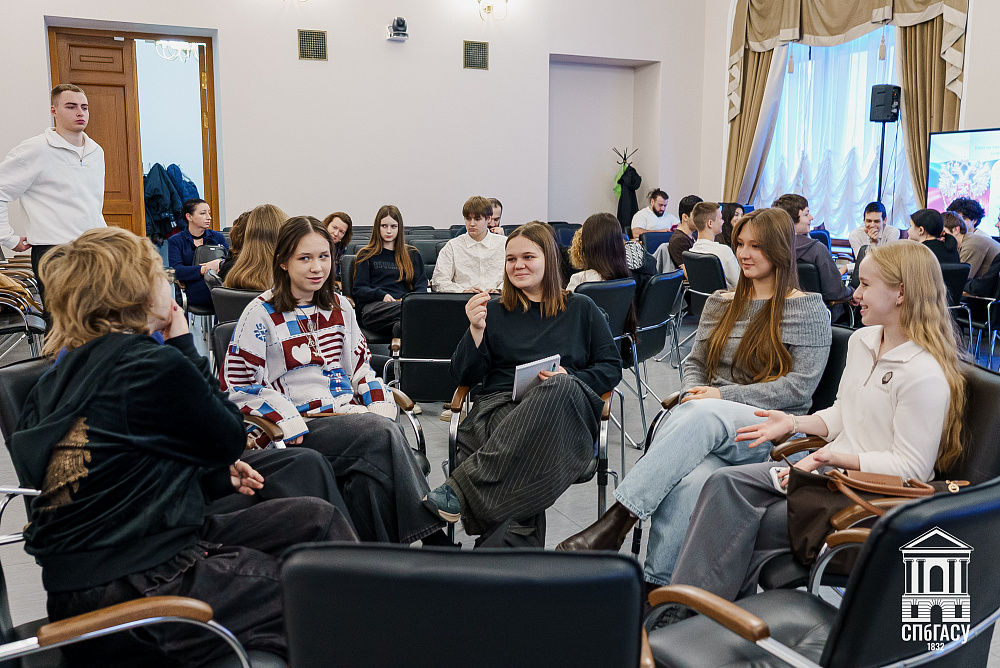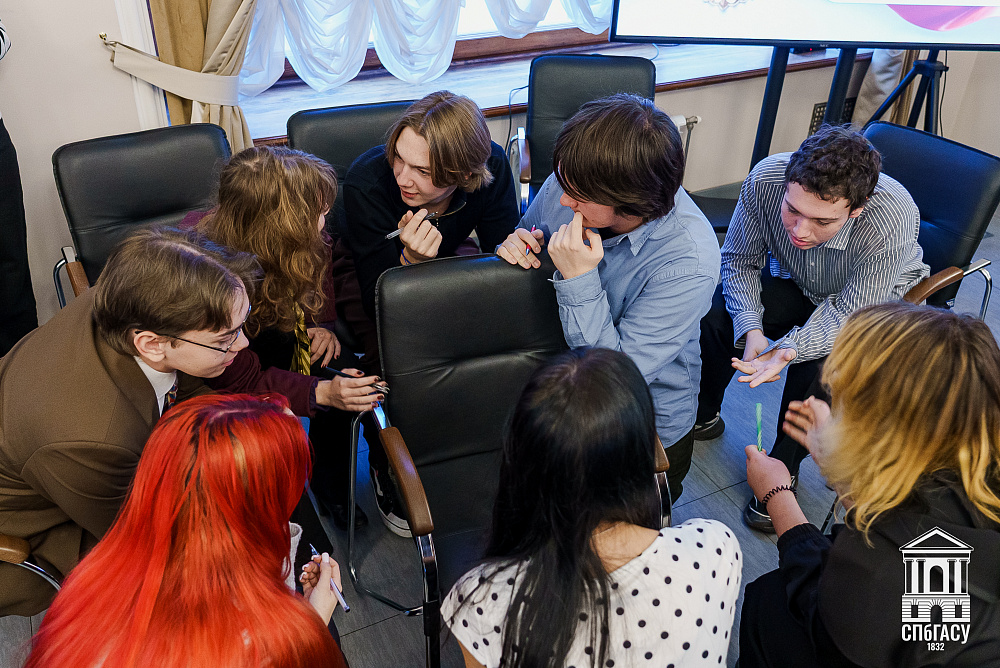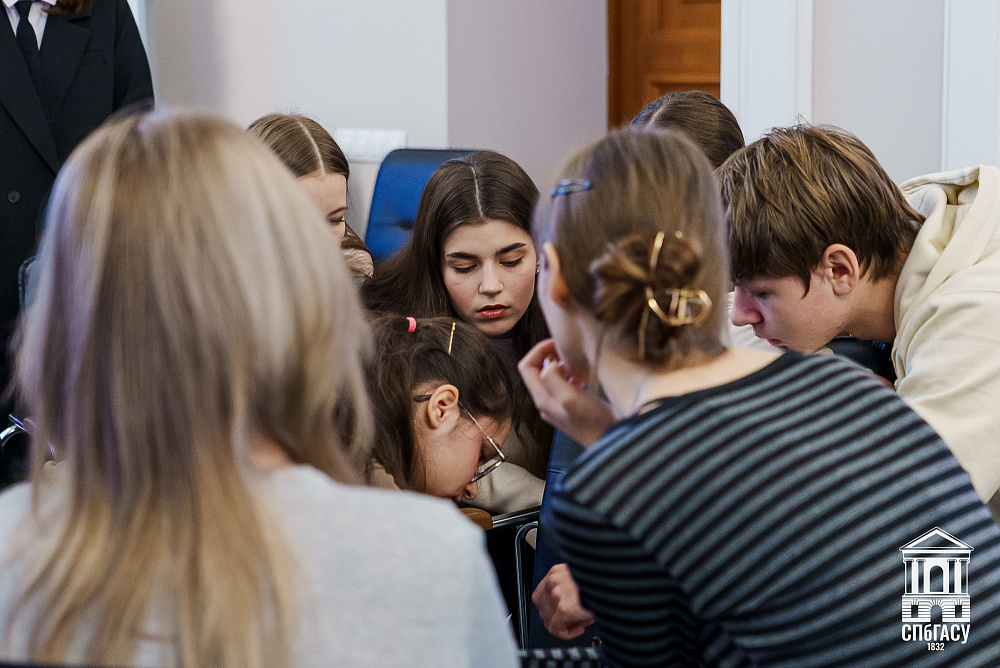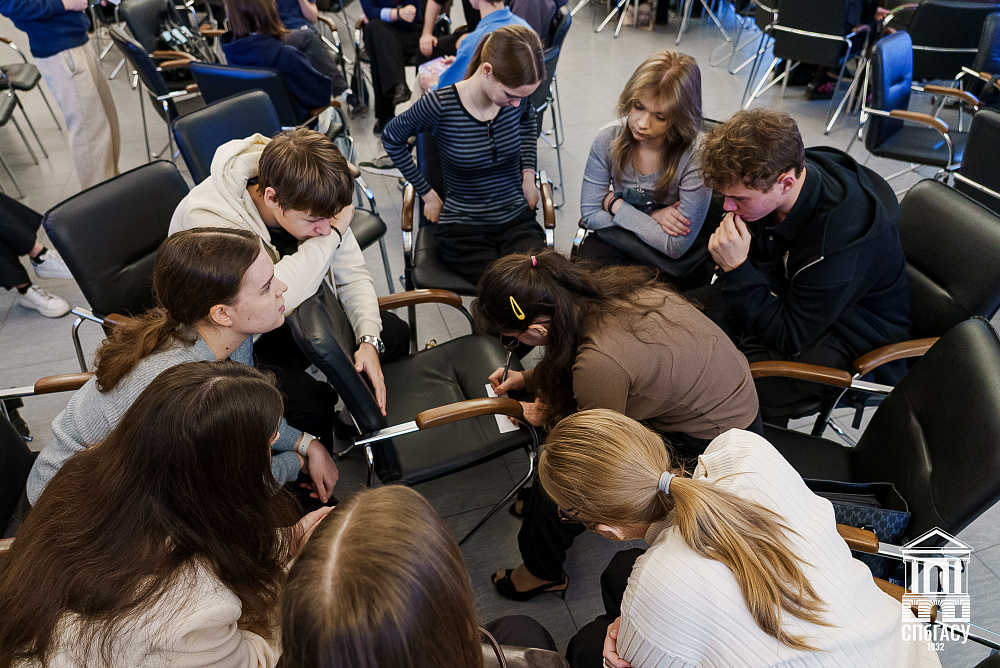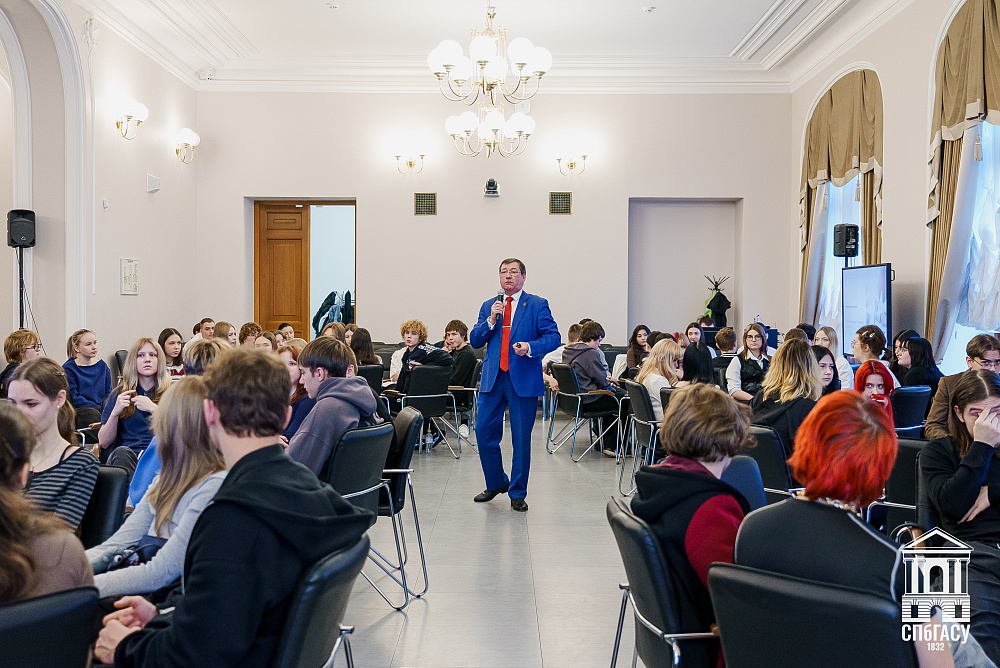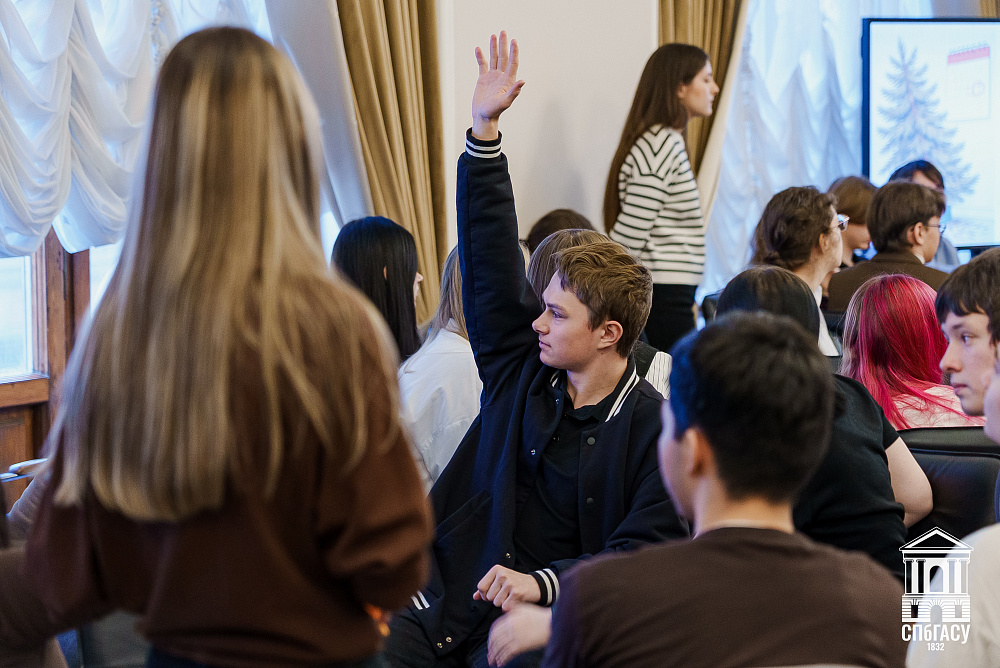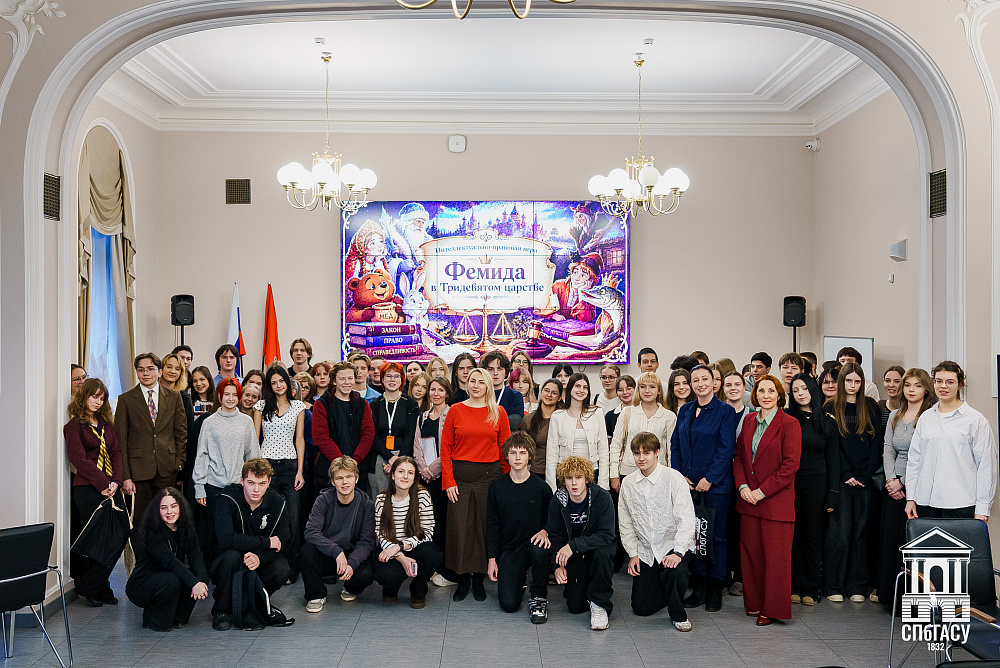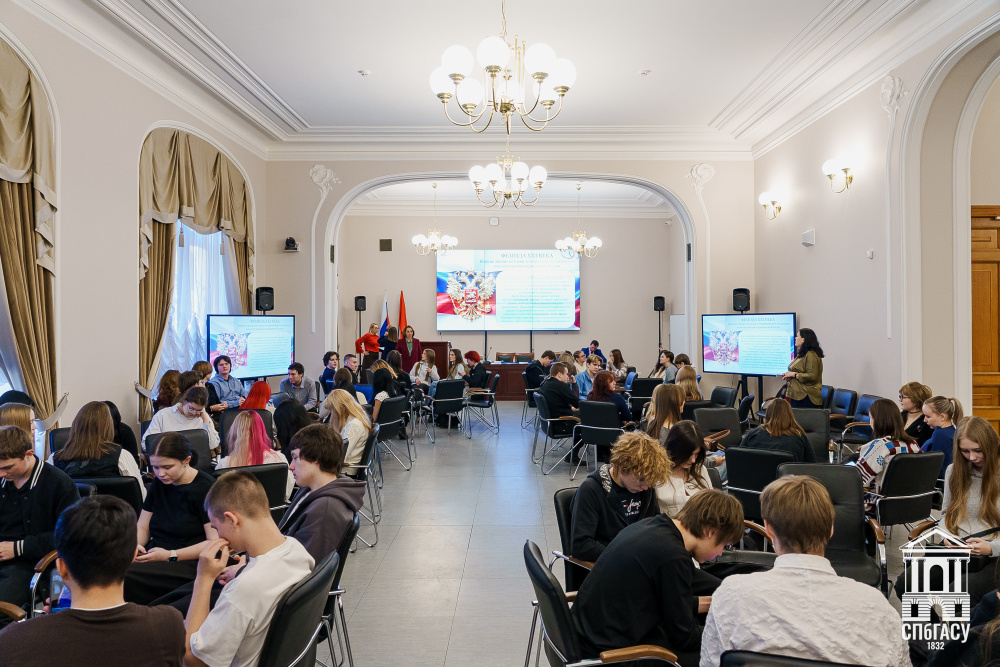
St Petersburg State University of Architecture and Civil Engineering hosted a law olympiad titled "Themis of the 21st Century," which brought together students from five schools in the Northern Capital: schools No. 225, 238, 260, 330, and 573. The students formed teams and competed by demonstrating their knowledge of legislation, solving legal problems, and showing their ability to find answers under strict time constraints.
The Olympiad program consisted of three stages, each requiring participants to possess not only a knowledge of legal norms but also logical thinking skills, the ability to analyze situations, and the capacity to argue their position.
Three stages: from the constitution to legal cases
The first stage focused on the foundations of the constitutional order of the Russian Federation, the content of the country’s Constitution, and the history and significance of its state symbols. Participants were tasked with analyzing problems and determining the correct answers by drawing upon their knowledge and legal reasoning.
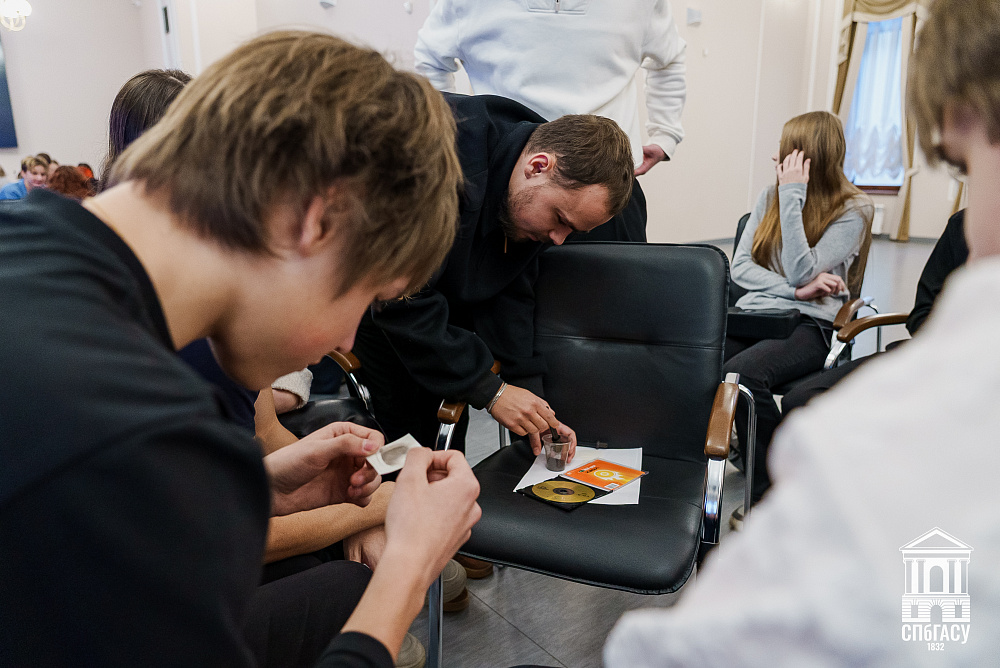
During the break between stages, the students took part in a game called "Courtroom Sprint," led by Mikhail Zharkoy, PhD of Historical Sciences, an associate professor at the Department of Legal Regulation of Urban-Planning Activities and Transport. This individual competition tested the participants' reaction speed and their ability to distinguish legal facts from fiction; they had to respond quickly to a series of statements, determining which ones were true.
The second stage of the Olympiad invited students to examine legal scenarios through the lens of fairy tales. They analyzed the legal status of various objects and applied civil law principles to familiar stories. The final stage focused on legal situations involving animated films.
Throughout the competition, the teams discussed the tasks, sought solutions, and provided arguments for their answers. The contest enabled the students to apply their theoretical knowledge to non-standard situations and gain insight into the practical aspects of legal work.
Olympiad outcomes
Based on the results of all stages, the prize-winning places were distributed as follows:
-
1st place – the "Elita" team (School No. 260), 65 points;
-
2nd place – the "Devil’s Advocates" team (School No. 330), 64 points;
-
3rd place – the "Eniki-beniki" team (School No. 238), 63 points.
The difference between the top finishers' scores was just one point, which made the battle for victory especially intense.
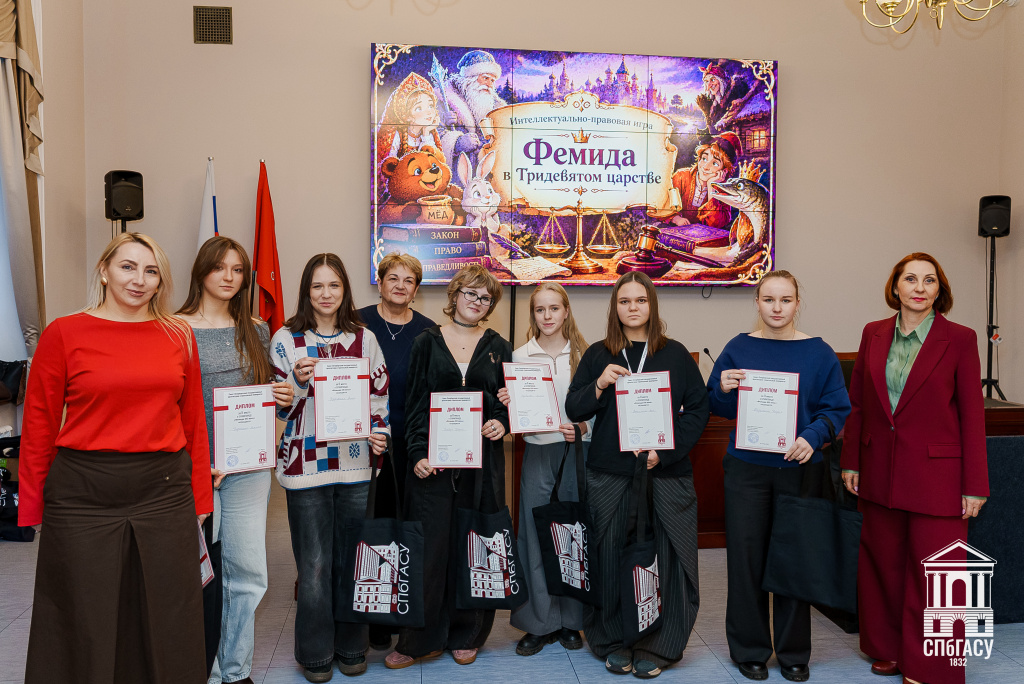
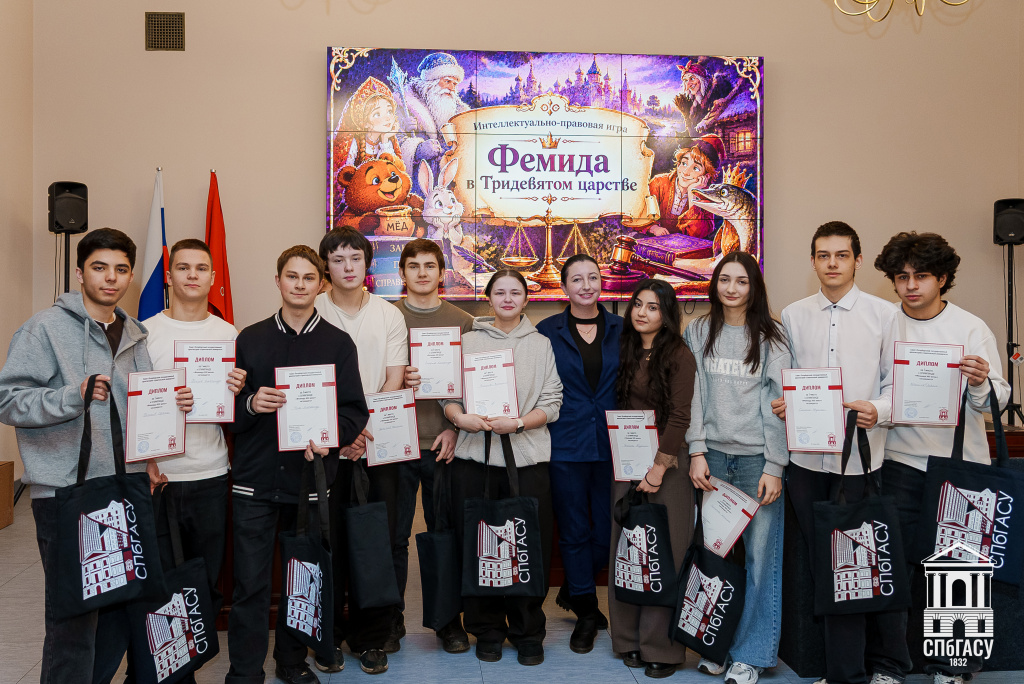 "Elita" team
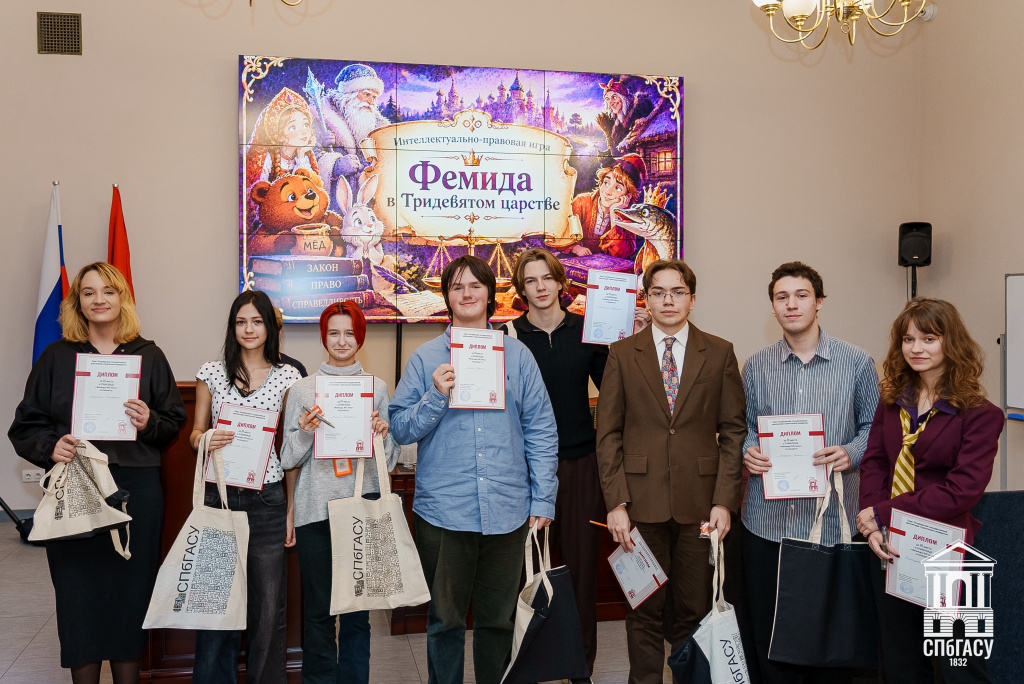
 "Devil’s Advocates" team
 "Eniki-beniki" team
The winners received certificates and commemorative prizes. All other participants were also presented with gifts featuring SPbGASU branding, while the teachers who accompanied the students were given certificates of appreciation and gifts.
The organizers of the Olympiad from the Department of Legal Studies included Maria Tikhomirova—Associate Professor, PhD of Juridical Sciences, and Head of the Student Legal Consultation Center (Legal Clinic) at SPbGASU—along with Associate Professor and PhD of Juridical Sciences Irina Talyanina, and Senior Lecturer Margarita Sapozhnikova, who serves as Deputy Dean for Career Guidance Counceling.
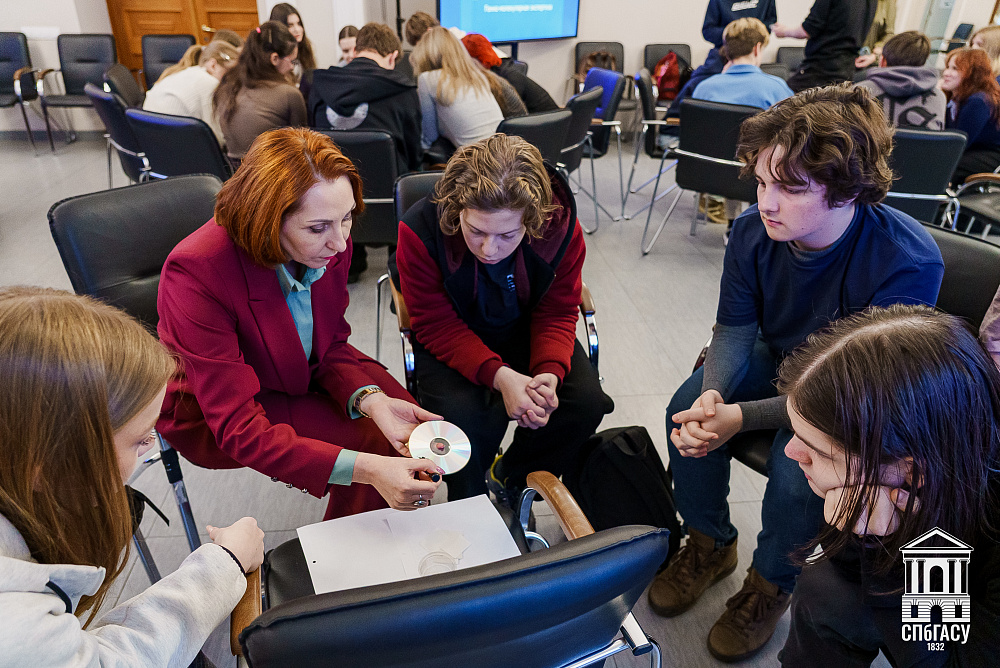
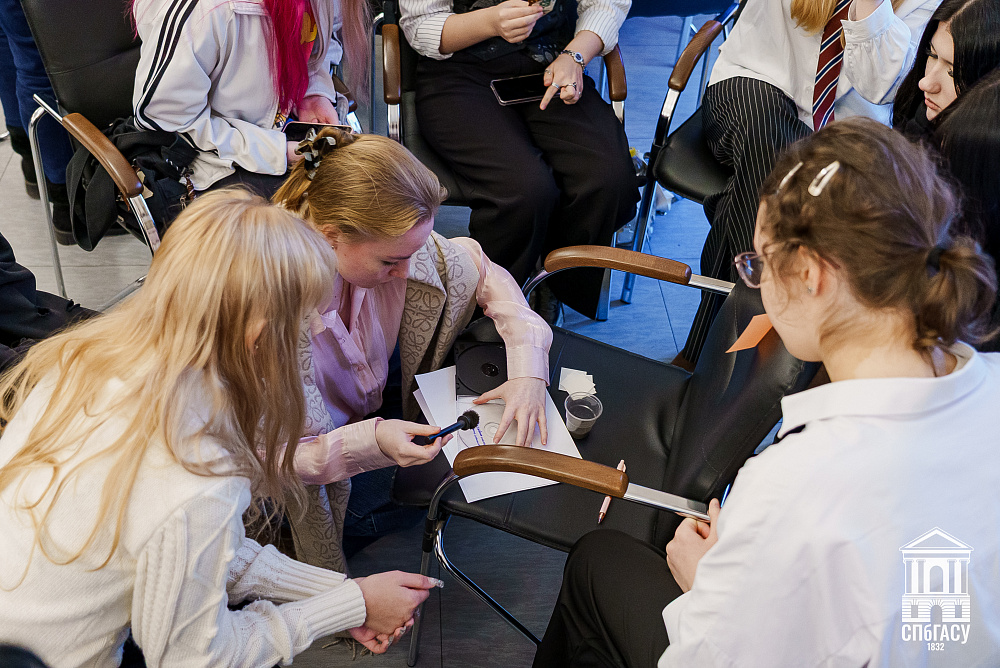
During the event, Oksana Karnaukhova, PhD of Juridical Sciences, an Associate Professor at the Department of Forensics, Deputy Dean for Educational Work, spoke to the students about the department, the specifics of how specialists are trained, and the opportunities available to graduates. The students learned about various fields of forensic expertise, the operations of specialized laboratories, and the equipment that students encounter during their studies. Particular attention was given to engineering-technical and forensic-criminalistic examinations, which allow for the integration of legal knowledge with practical and technical skills.
For school students, the "Themis of the 21st Century" Olympiad served not only as an opportunity to test their knowledge and compete for top places, but also as a chance to learn about the legal and forensic expert study programs offered at SPbGASU, as well as the specific nature of their potential future professional careers.