 Viktoria Vinogradova
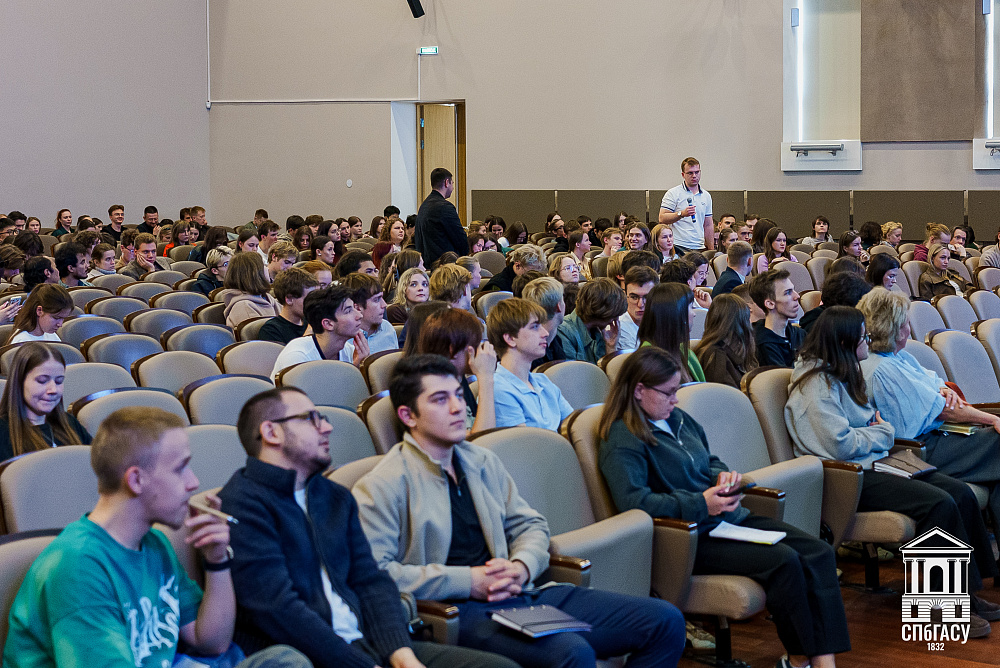
Saint Petersburg State University of Architecture and Civil Engineering held an organizational meeting for participants of the "Project Activities" elective course. The new season has brought together 257 students who will work in interdisciplinary teams on real-world tasks set by industry partners.
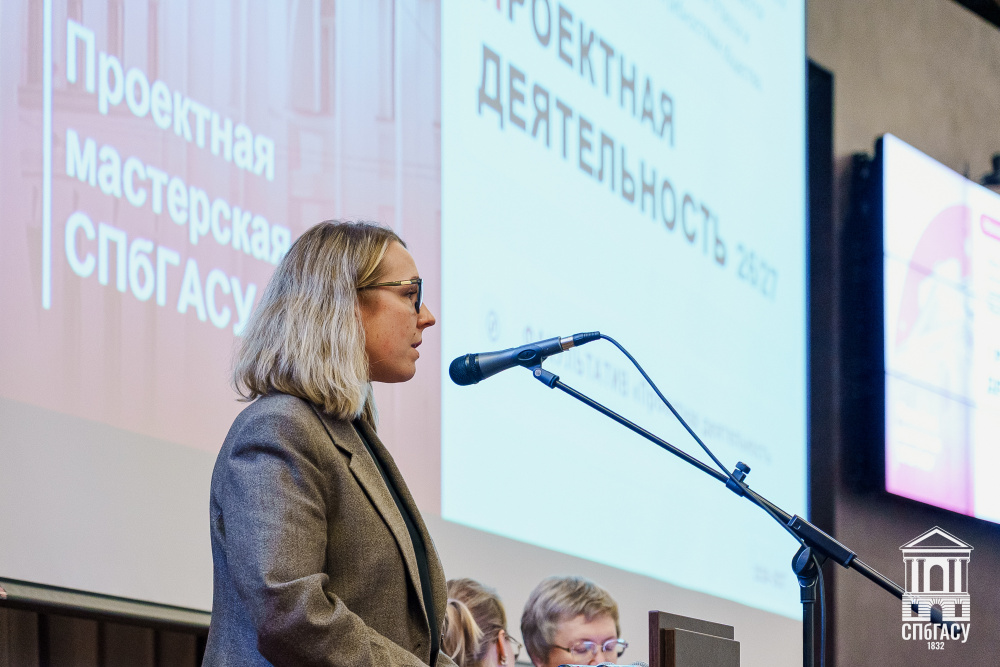
Viktoria Vinogradova, Vice-Rector for Continuing Education, addressed the participants with welcoming remarks. She noted that the university had been implementing project-based learning for two years, and interest in this format had grown significantly during that time.
"Last year, we implemented 19 projects. This year, we have already received over 50 project proposals. This demonstrates that this format of collaboration is in high demand among both students and industry partners," emphasized Viktoria Vinogradova.
The primary goal of the elective course is to align training with actual professional practice. Students work in teams rather than individually, bringing together representatives from various disciplines—such as architects, structural engineers, building systems specialists, economists, and other future construction industry professionals.
According to the vice-rector, the ability to interact effectively in an interdisciplinary environment is becoming one of the most important skills for young professionals upon graduation. Through the project workshop, participants have the opportunity to work with real clients, take their requirements into account, and collaboratively seek innovative engineering and architectural solutions.
During the meeting, the Educational Center for Project-Based Learning provided a detailed overview of the elective course structure. Center Director Inna Sukhanova and Deputy Director Natalia Zaitseva outlined the educational process, the team support system, and the opportunities available to participants.
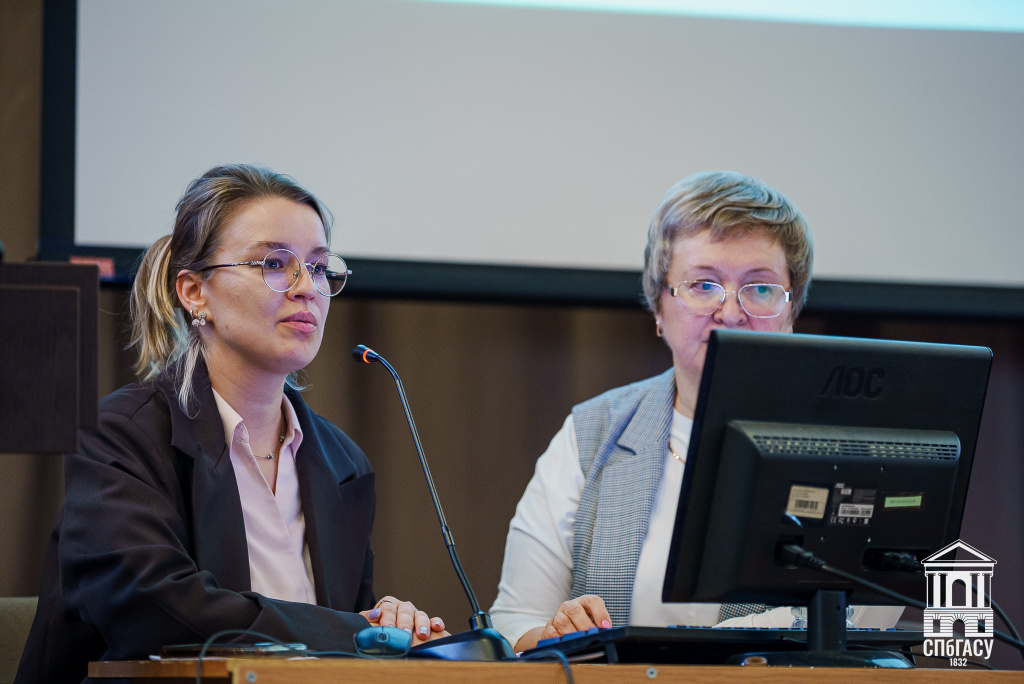 Natalya Zaitseva and Inna Sukhanova
This elective course is primarily intended for fourth-year bachelor’s students, fifth-year specialist's students, and first-year master’s students, though other students may also join. Certificates and additional points toward master’s program admission are awarded to those who successfully complete the project.
The autumn semester comprises video lectures, practical sessions, regular meetings with mentors, and direct work on the project. Each team is guided by a university teacher and a representative from the client company, with industry experts brought in to assist as needed.
The organizers paid special attention to the results of the first season. Many projects continued beyond the end of the semester: students presented them at conferences and professional competitions, and some teams proceeded to the comprehensive defense of their final qualifying works. Several participants also received offers for practical training, internships, and employment from partner companies.
For the new academic year, the project showcase features 49 projects from 25 clients, including SPbGASU. The clients include construction and design firms, developers, and industry-specific organizations ready to collaborate with students on developing real-world engineering and architectural solutions. All projects will be managed using the Kaiten project and task management system, which is expected to significantly boost team efficiency.
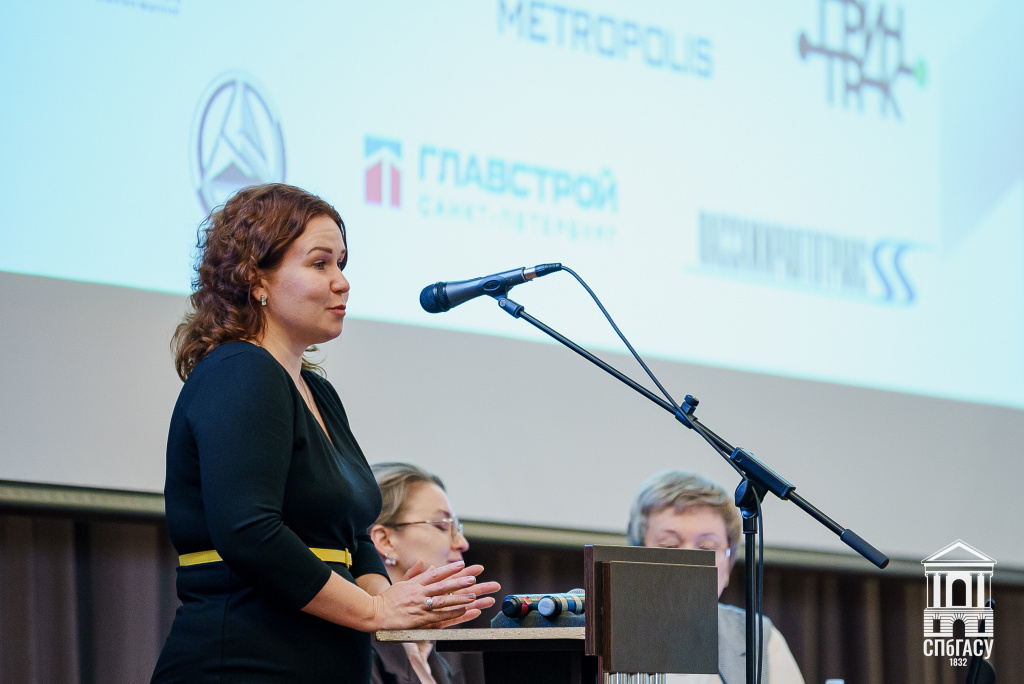 Anastasia Dokukina
Anastasia Dokukina, a leading specialist in student and youth relations at Glavstroy St Petersburg, wished the participants a productive session and noted that joint projects served as a platform for the mutual exchange of knowledge between the university and the professional community.
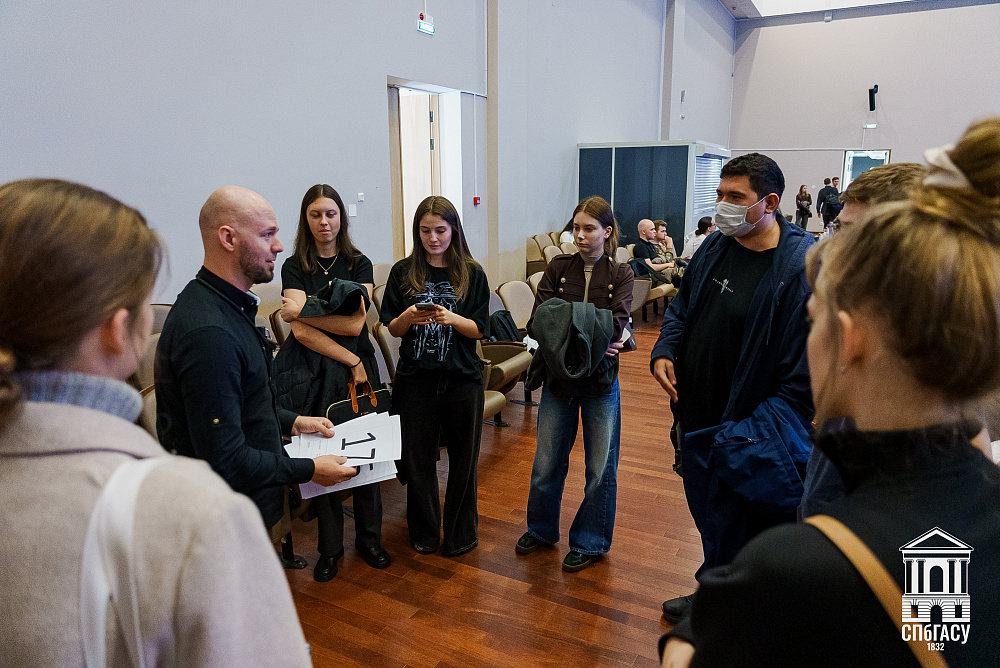
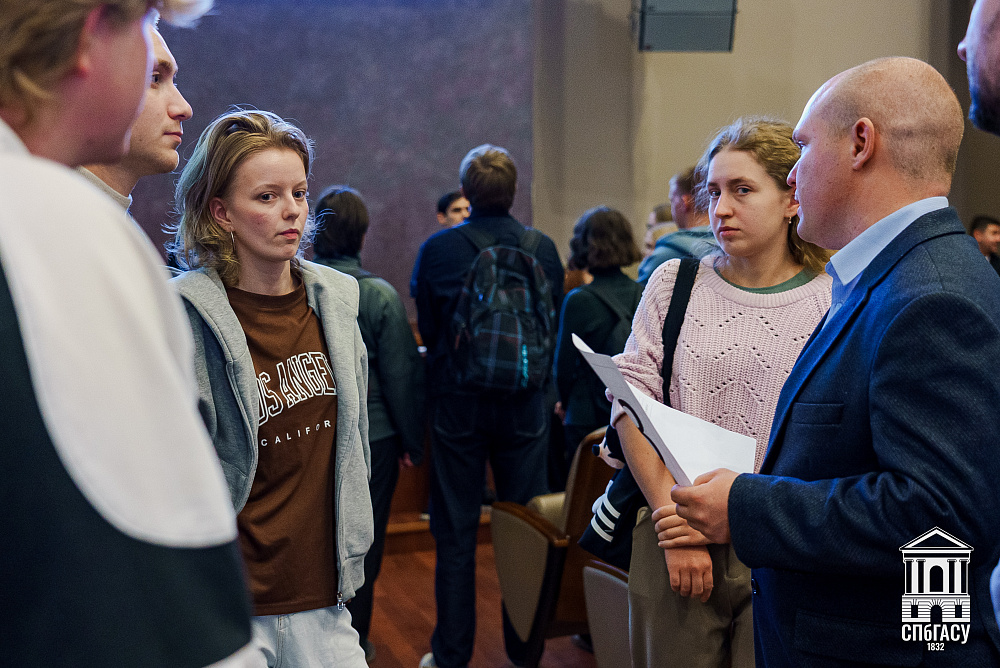
After the presentation, the students met their mentors and, for the first time, the teams with whom they would be working on projects throughout the autumn semester.