Pavel Belozerov, an Associate Professor at the Department of Construction Technology at the Saint Petersburg State University of Architecture and Civil Engineering, has developed solutions aimed at increasing the fire resistance of modular facades and improving the accuracy of thermal performance calculations. The research also identified vulnerabilities in facade structures related to heat loss and the potential for condensation to form.
The project "Technological aspects of designing translucent facade structures based on the results of experimental studies of specific design solutions" was carried out as part of a 2026 grant competition for research projects conducted by academic and teaching staff at SPbGASU.
The relevance of this research stems from the widespread use of modular glazing in the construction of high-rise buildings. Such facades must not only provide thermal insulation but also prevent the spread of fire. One of the challenges is that aluminum profiles create "thermal bridges," which increase heat loss. Furthermore, fires at the Transport Tower in Astana (2006) and Ducat Place III in Moscow (2007) demonstrated how rapidly fire can spread across a building's facade.
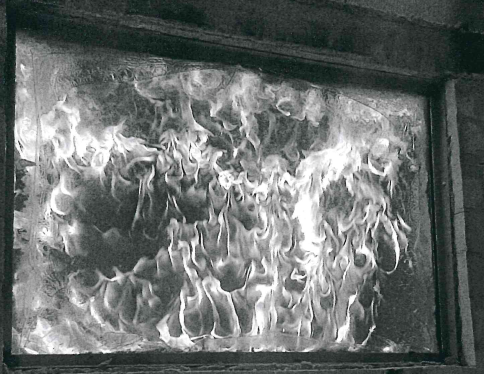
In the course of the study, the researcher examined regulatory documents, incident reports, and the results of fire tests. These revealed that standard insulated glass units—lacking specialized fire-resistant components—can withstand fire for only 7–10 minutes, falling short of the required 15-minute threshold. To prevent the spread of fire across the building facade, it is proposed that the opaque sections of the interfloor zones be constructed using a combination of mineral wool, galvanized steel, and gypsum board.
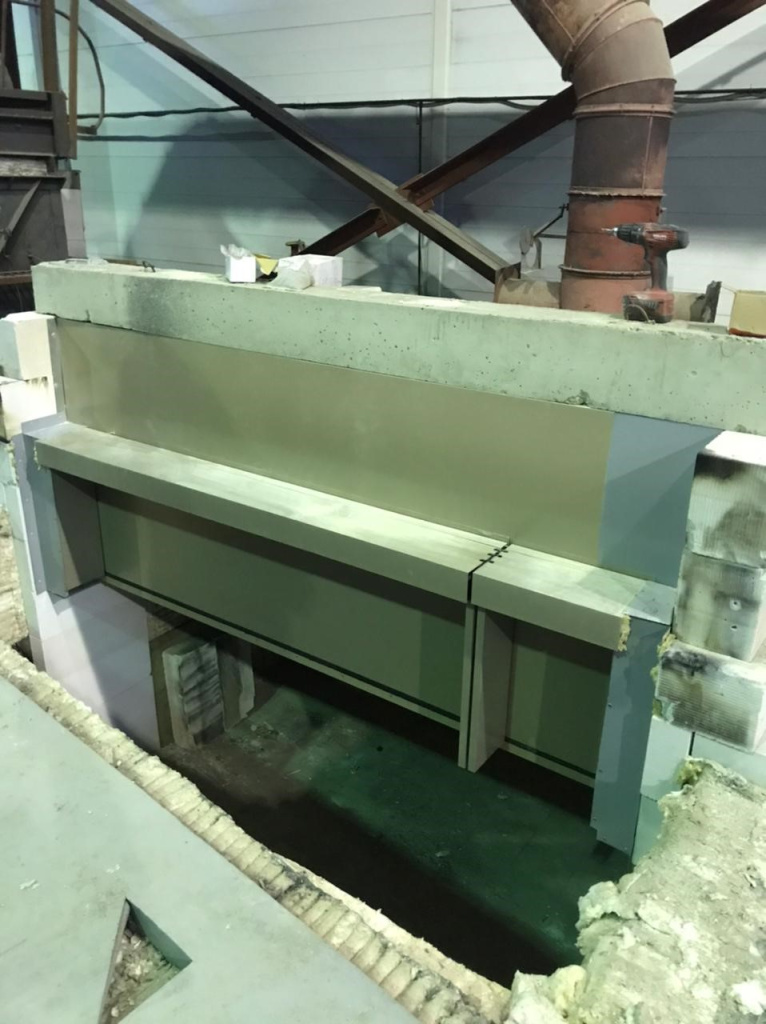 General view of the test specimen of an interfloor band for a facade system
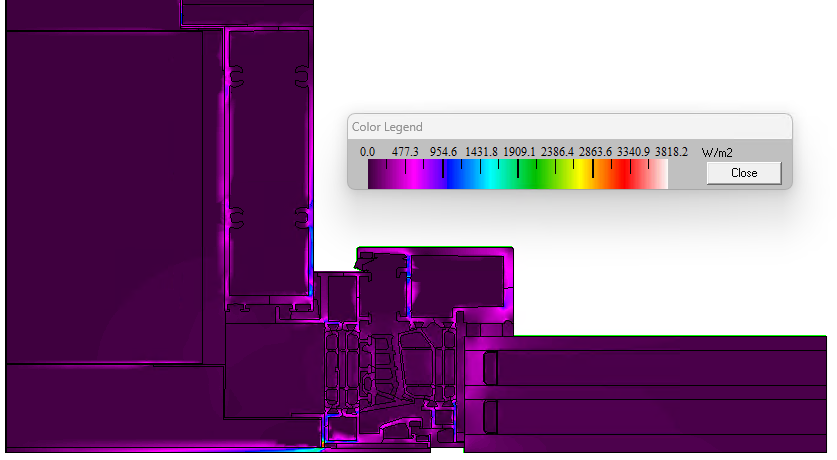
Another part of the study focuses on verifying the accuracy of computer-based heat transfer calculations. To this end, the researcher modeled individual components of the modular facade using the Therm and Window software programs, and then compared the results with tests performed on a sample in a climate chamber.
It was found that the calculated thermal resistance of the facade was 40% lower than the experimental value: 0.52 versus 0.86 (m²·°C)/W. The greatest discrepancy—77%—occurred in the calculation for the aluminum profile. After replacing the initial design parameters for the profile with the values obtained during testing, the difference was reduced to 3–4%.
Furthermore, the study helped identify the sections of the facade most susceptible to freezing. In two of the three structural junctions examined, the temperature of the interior surface was found to be below the dew point. This means that, under certain conditions, condensation could form in these areas.
The results obtained will help design and construction-installation organizations more accurately calculate the characteristics of translucent facades, select structures for testing, and make decisions regarding their fire safety. The research findings may also be used by testing laboratories and within the educational process at SPbGASU for the training of construction professionals.
This news item is published based on the results of a 2026 SPbGASU grant project.