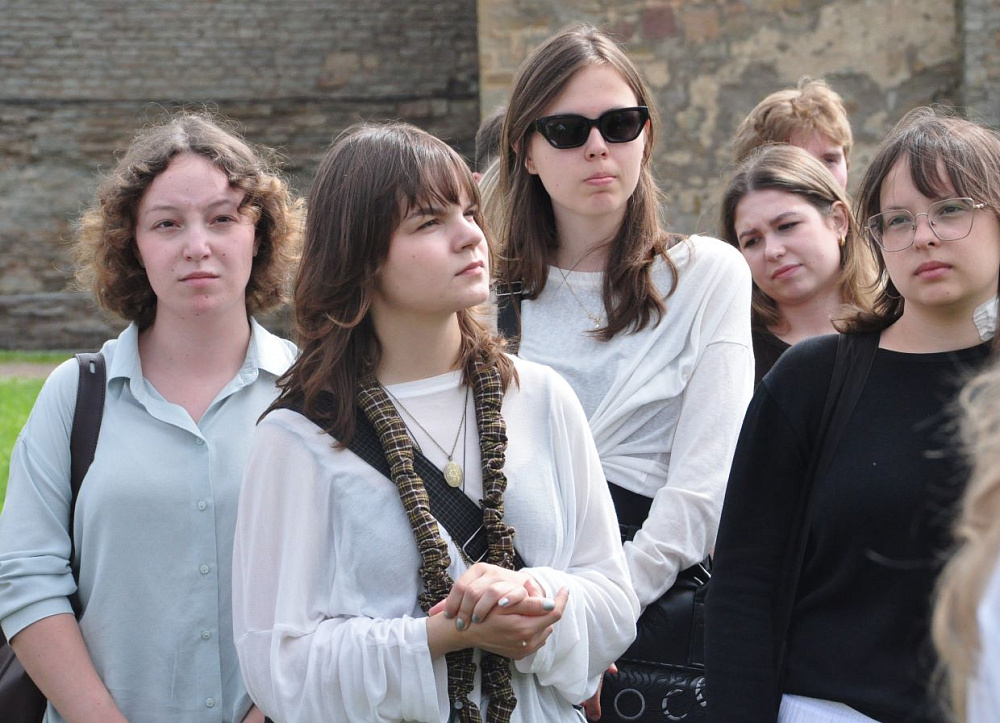
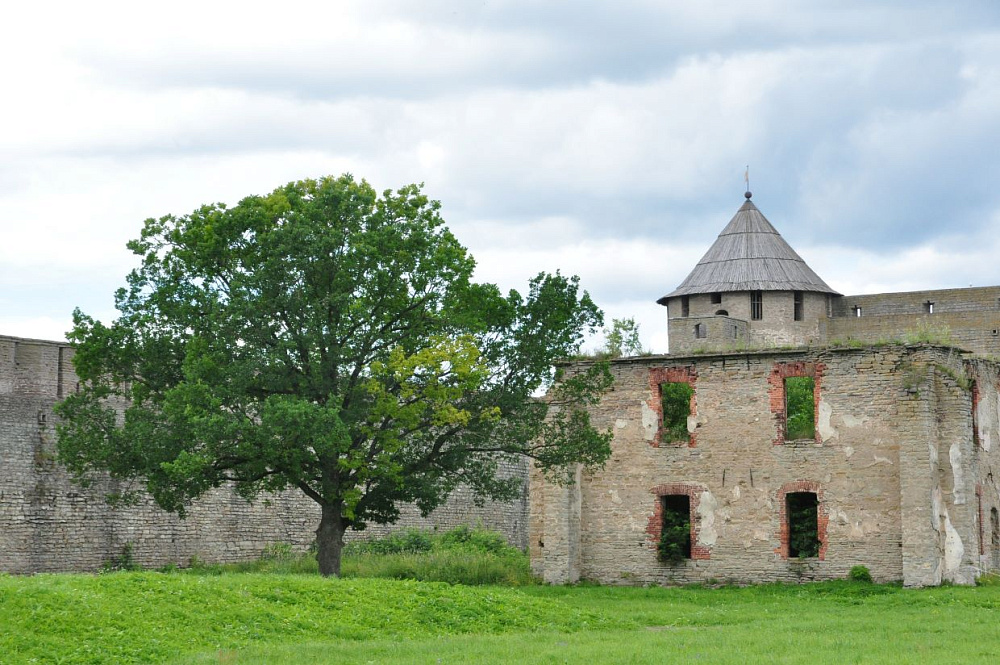
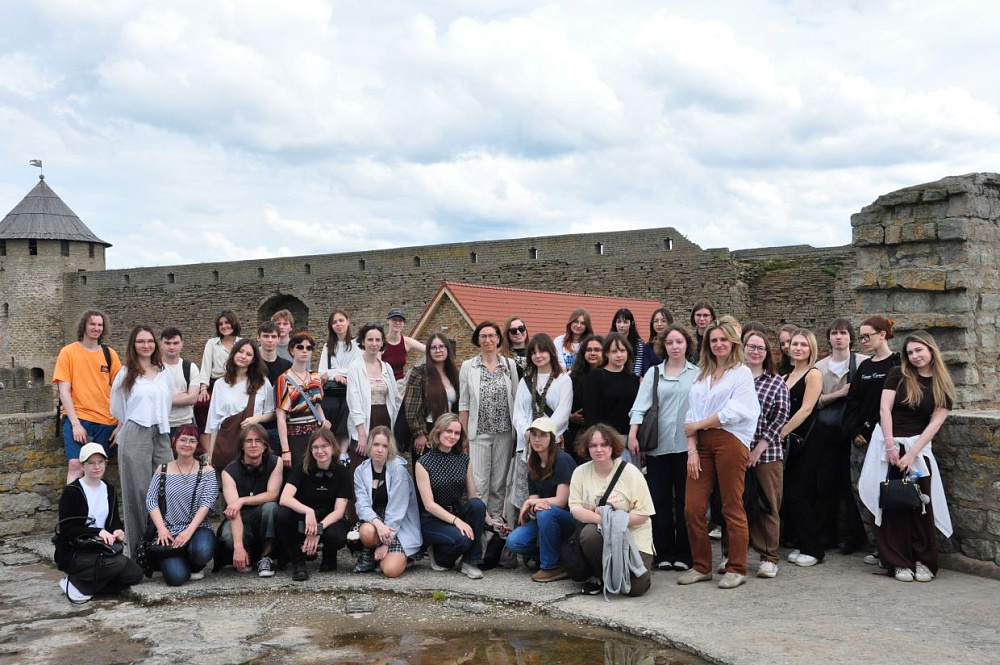
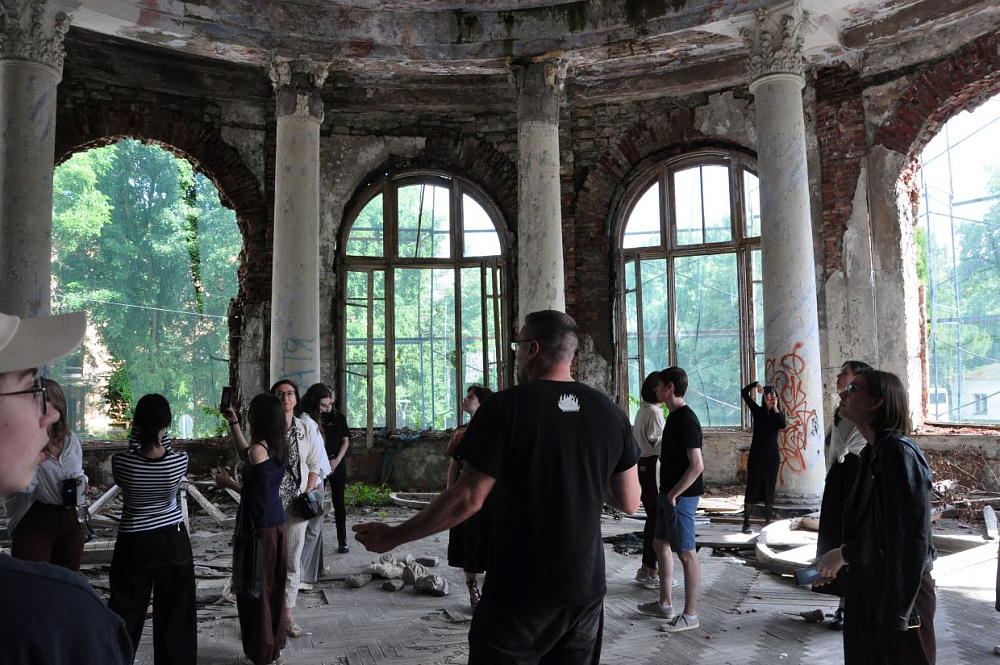
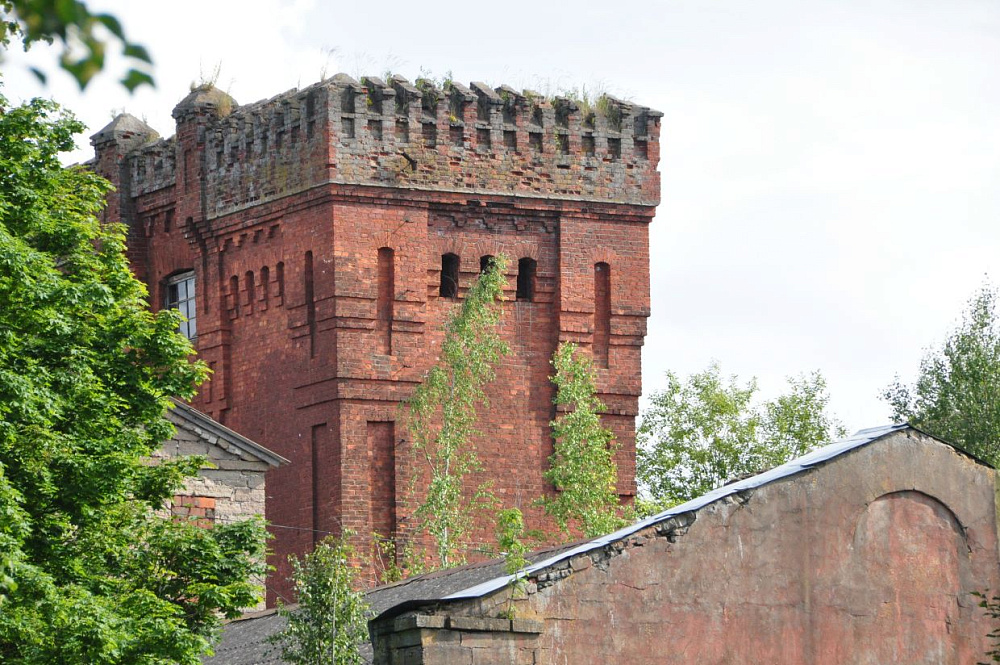
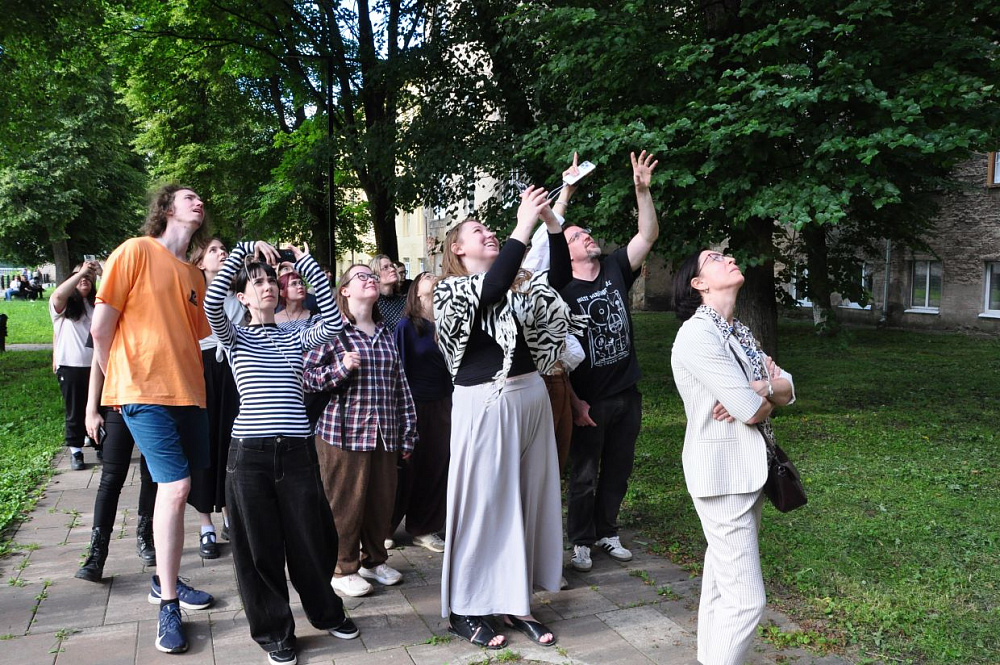
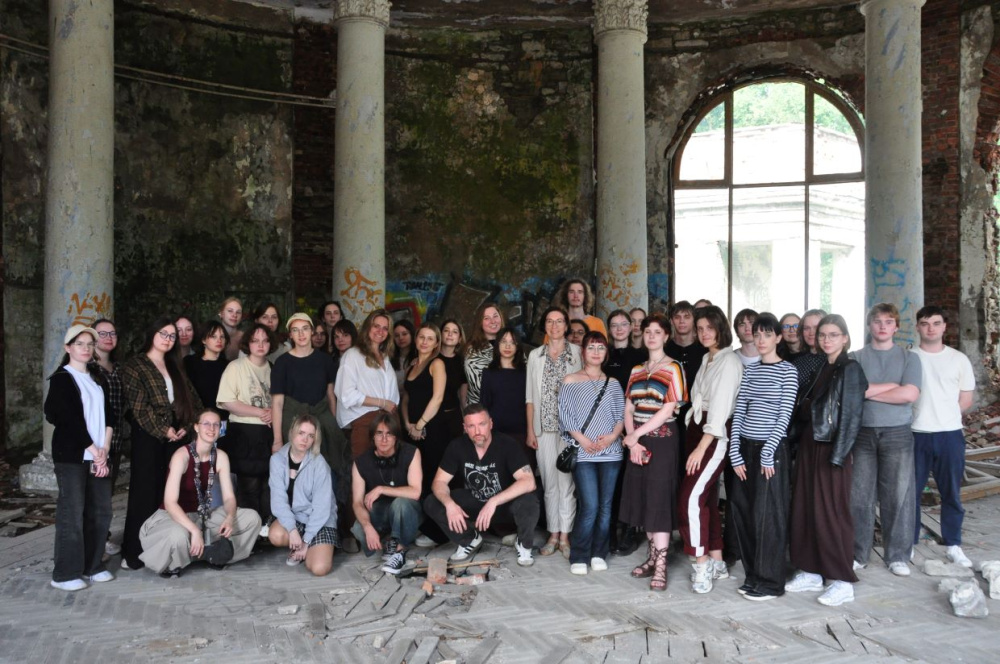
 Participants of the international scientific and educational summer school on restoration. Gas holder (Parusinka, Ivangorod)
Training specialists capable of preserving historic buildings and structures is impossible without immersion in real cultural heritage sites. During the summer, SPbGASU hosts an international scientific and educational summer school on restoration, bringing together third- and fourth-year students from SPbGASU, the St Petersburg College of Architecture and Civil Engineering (SPASK), and students from other regions. Students from Kazan are currently participating in the school. The Head of the summer school on restoration from SPbGASU is Nadezhda Akulova, Head of the SPbGASU Department of Architectural and Urban-Planning Heritage, PhD of Architecture, and Associate Professor.
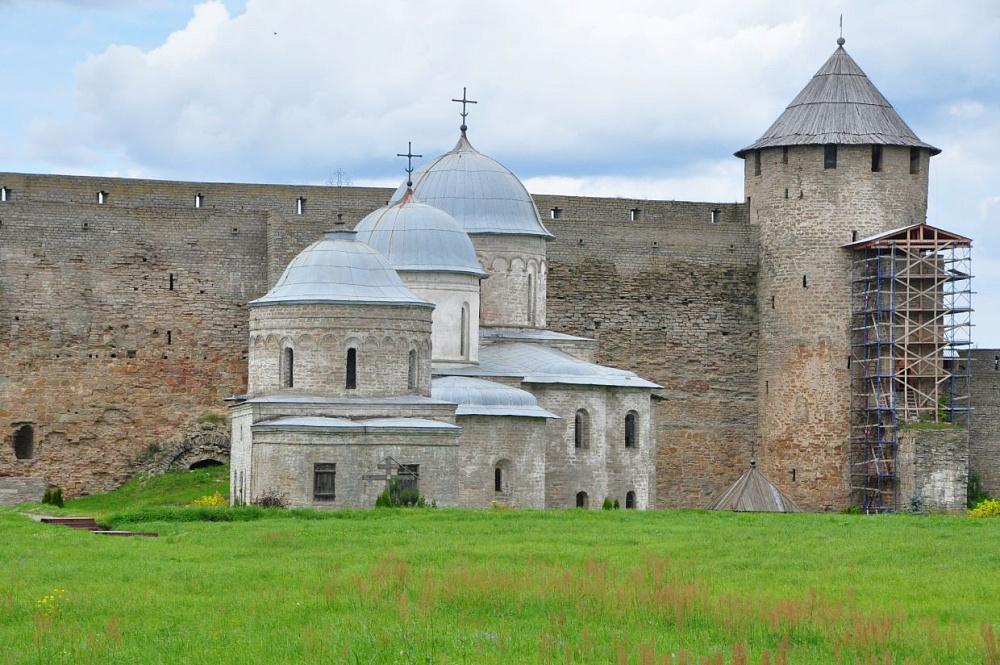
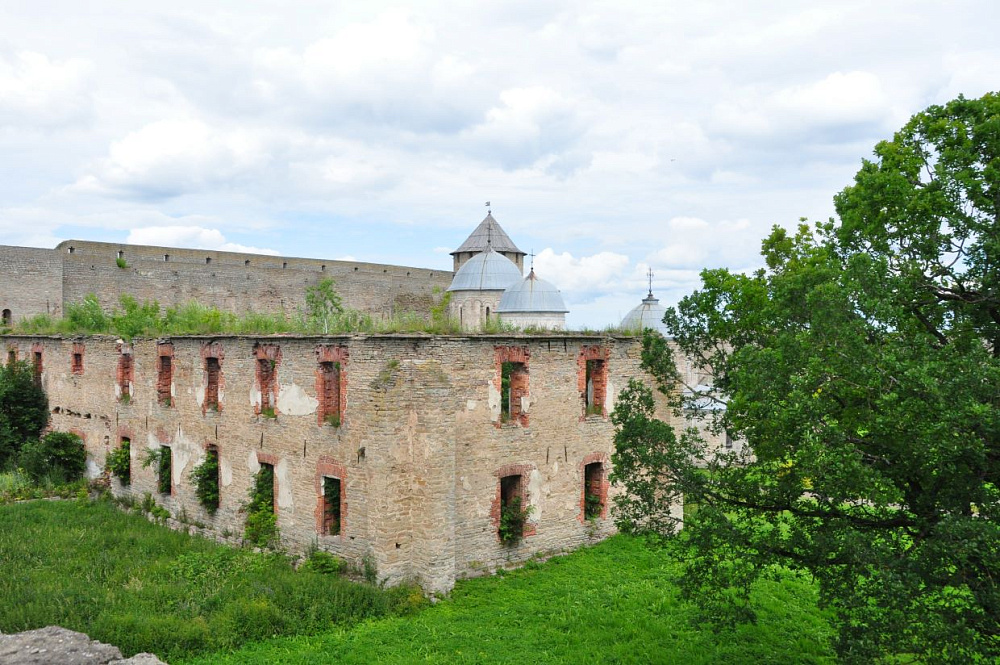
On 10 July, future restorers and architects visited the Ivangorod Fortress (15th–18th centuries) and the 19th-century Parusinka industrial complex, one of the most valuable industrial heritage sites in Northwest Russia. Practical training at such sites allows students to see how engineering knowledge is applied in the survey, design, and preservation of architectural monuments.
.jpg "Олег Степанов") Oleg Stepanov
Oleg Stepanov
Opening the class at the Ivangorod fortress, the director of the State Public Institution of the Leningrad Region “Directorate for the Preservation of Cultural Heritage Sites” Oleg Stepanov drew the students’ special attention to the existing shortage of engineers and technologists specializing in restoration:
Oleg Stepanov advised future specialists not to be afraid to defend their professionally reasoned point of view, whether to management or to the client."There are only a few of them now!" said the head of the organization that oversees repair and restoration work carried out in the Leningrad Region, particularly at the Ivangorod Fortress. He assured the audience that competent restoration engineers will always be in demand, both in construction and design companies, as well as in government agencies responsible for organizing and overseeing restoration work.
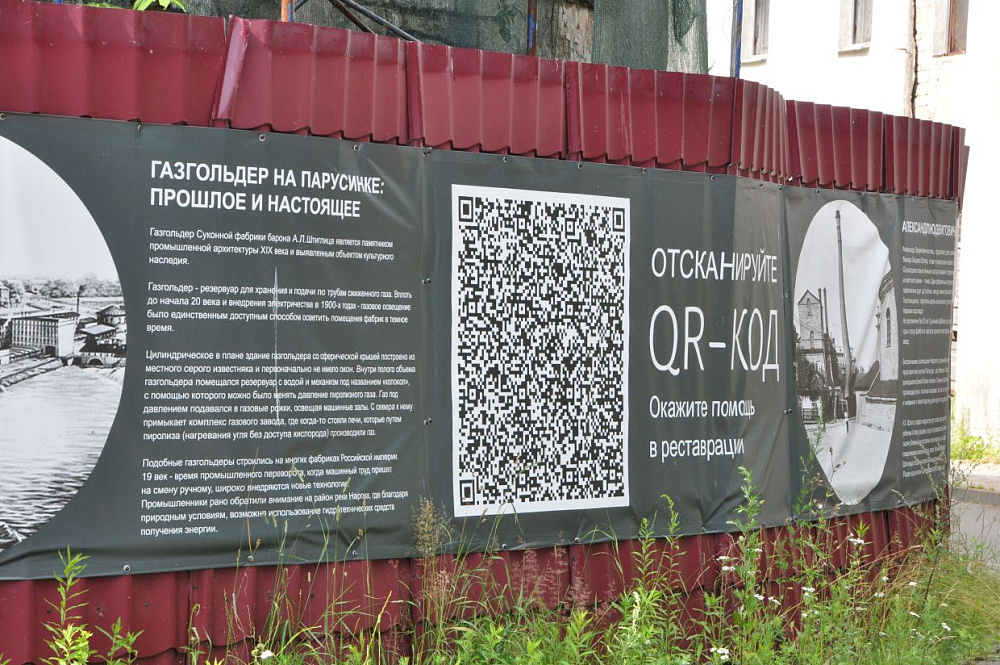
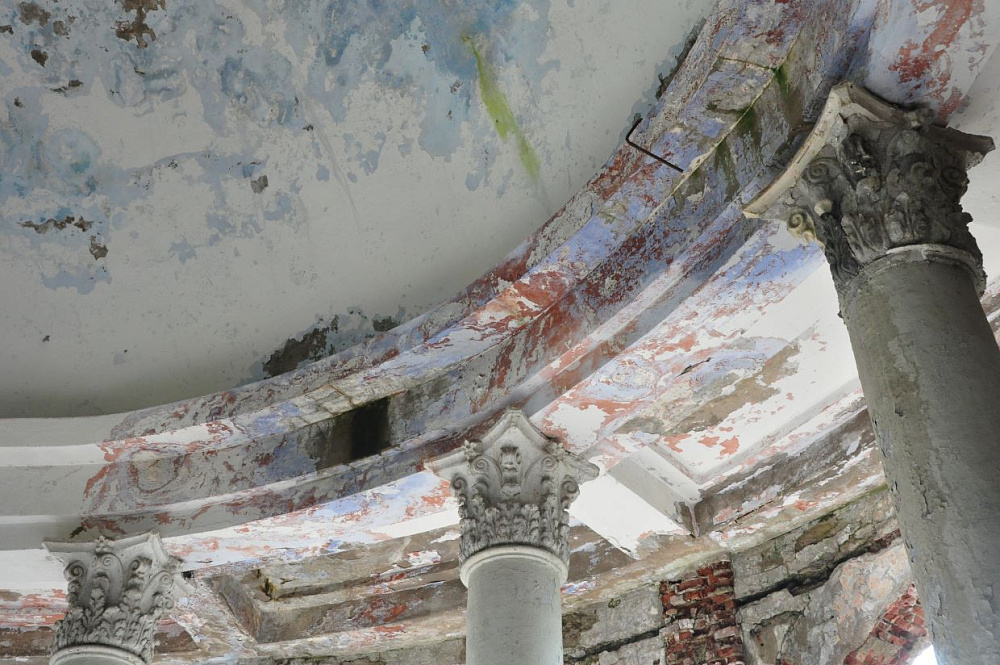
One of the key points of the route was the Gas Holder in Parusinka (a district of Ivangorod)—a unique engineering structure that recently received the approval needed to begin restoration work. For the students, this was an opportunity to explore this promising site, which in the coming years will become an example of comprehensive restoration of industrial heritage. The Gas Holder has an unusual but exciting future: plans are underway to create a glassblowing facility and museum there.
 Nadezhda Akulova
"Last year, we did a graduation project with our student Aleksey Volkov on the concept of the entire Parusinka, thinking through all the functional zones of the district, and Gaz Holder was precisely one of the cores around which the urban landscape was formed. For this project, Aleksey received the Golden Trezzini prize in 2025.
Despite the legal complications associated with the different jurisdictions of the Parusinka buildings, in the future it will be a unique site for the restoration industry.
Restoration symposiums and various festivals—Parusinka could become the heart of a creative community. The restoration and opening of the Gaz Holder space will provide a powerful impetus for the area's development, as its potential is enormous. The natural environment, architecture, and location—all contribute to this. Naturally, people should come here for at least a day or two. To achieve this, we need to develop the infrastructure—accommodation, catering, and visitor services," noted Nadezhda Akulova.
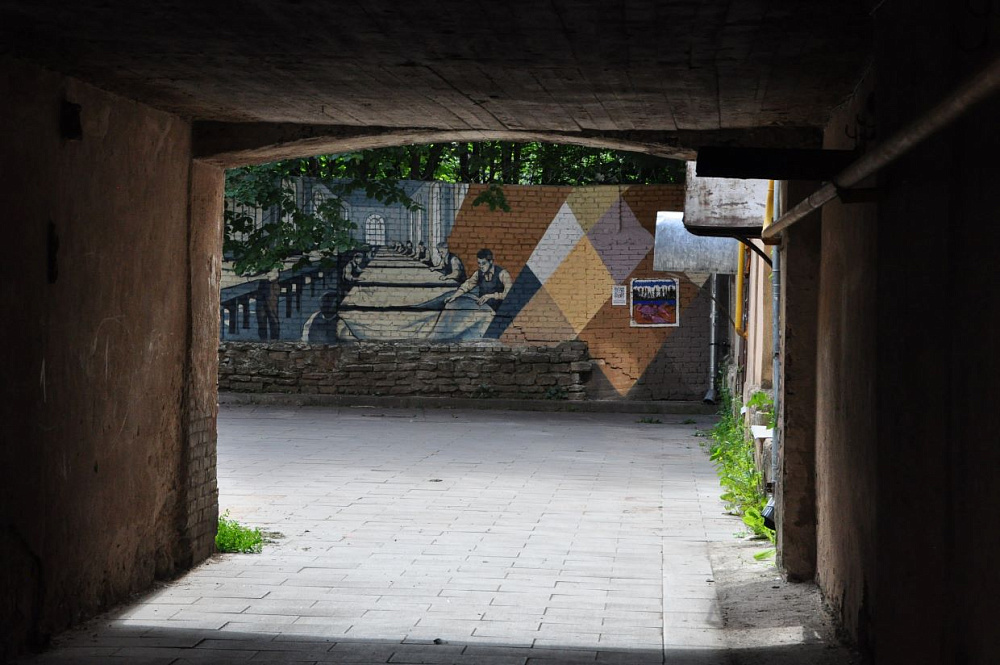
The program in Ivangorod concluded with a guided tour of the Parusinka district, led by Natalia Smola, senior researcher at the Ivangorod Museum. Participants learned about the history of Baron Alexander Ludwigovich Stieglitz's industrial complex, the development of textile production at his factories in the 19th and 20th centuries, and viewed a new art installation, which will be unveiled on 1 August, the Leningrad Region's birthday: a mural on the wall of the Flax and Jute Factory, dedicated to the history of the enterprise.
For future restorers, such trips are more than just excursions; they are a fully-fledged part of the educational process. Working directly at cultural heritage sites allows them to become familiar with the unique features of historical structures, explore the specifics of restoration work, discuss professional issues with industry experts and museum staff, and gain practical experience that cannot be gained solely in the classroom.
The next stage of the international scientific and educational summer school on restoration is ahead – together with colleagues from Rostov-on-Don.