The St Petersburg State University of Architecture and Civil Engineering has completed a study of the scalability parameters and energy balance of liquid-free magnetic shock absorbers (LFAs) for road construction equipment. The work was carried out by Associate Professor at the SPbGASU Department of Land Transport and Technological Machines, PhD of Engineering Sciences Roman Litvin.
The research aims to improve the efficiency of vehicle suspension systems, particularly those operating in low-temperature environments such as the Far North. In conventional hydraulic shock absorbers, the properties of the working fluid change under extreme cold, which can affect suspension performance.
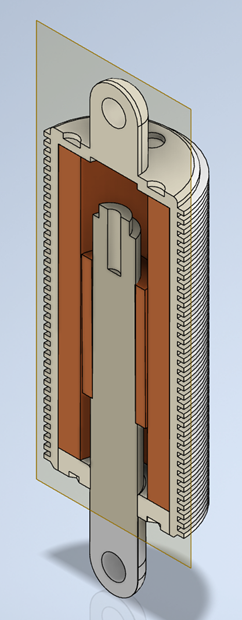
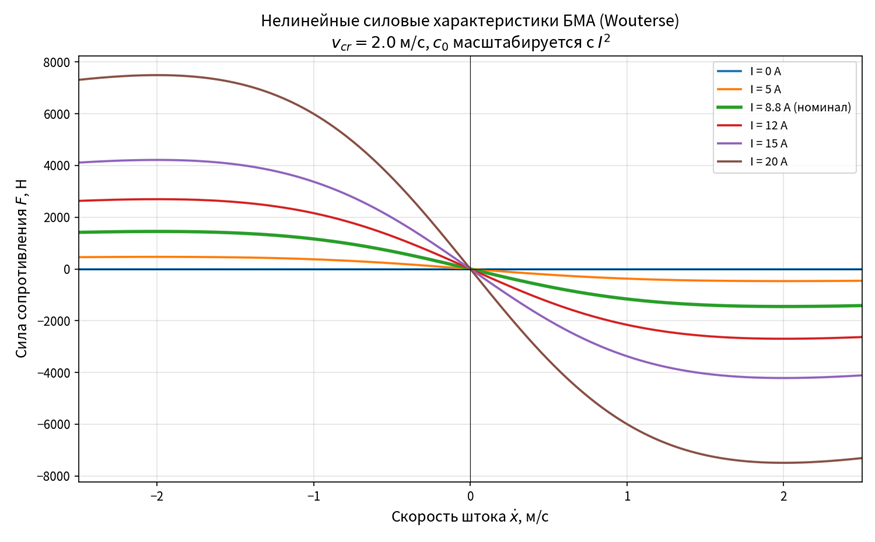
Unlike traditional solutions, LFMAs do not use a working fluid. Resistance force is generated through the interaction between a magnetic field and eddy currents, while damping characteristics can be adjusted by varying the winding current. This enables the damper's operation to be adapted to various operating conditions.
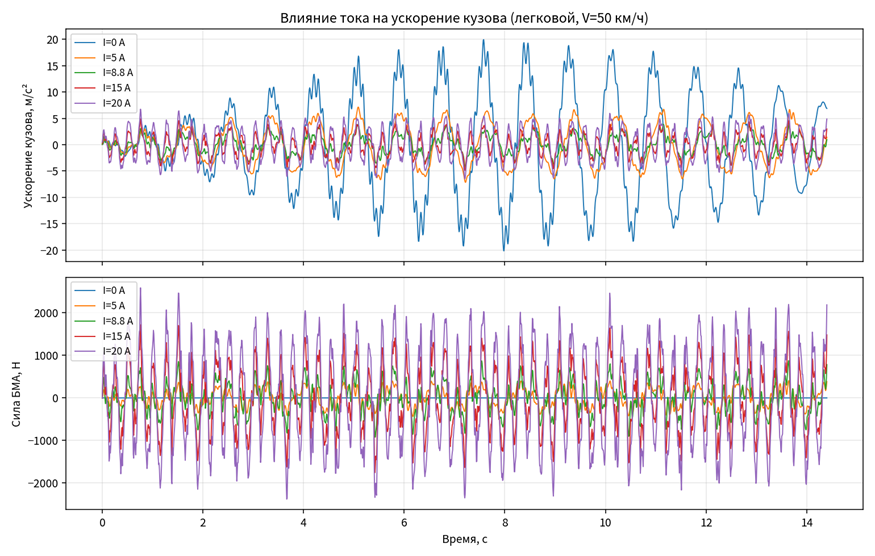
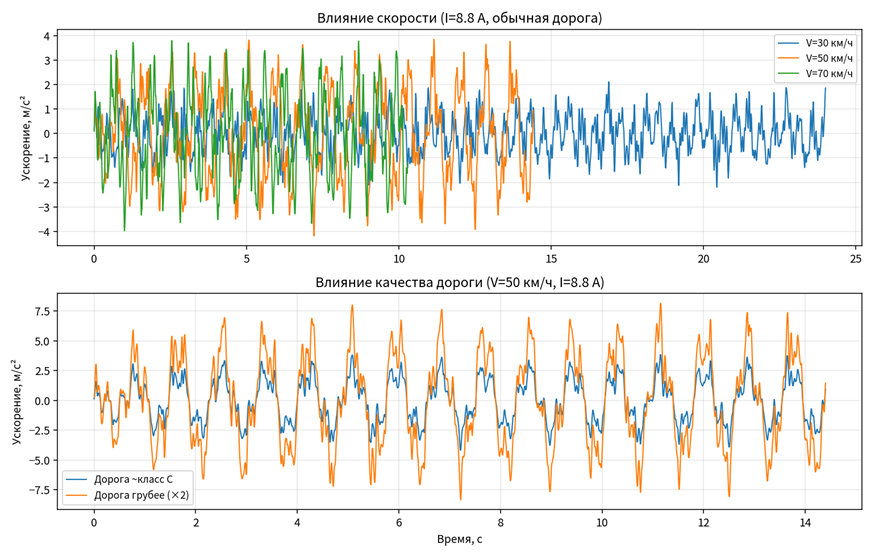
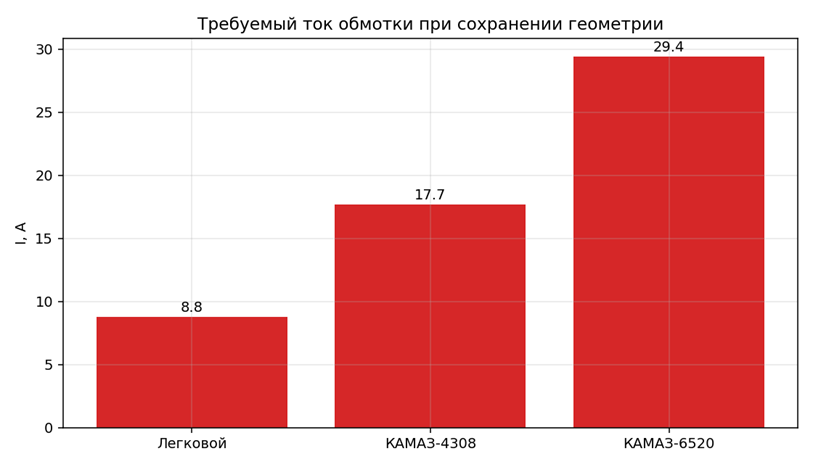
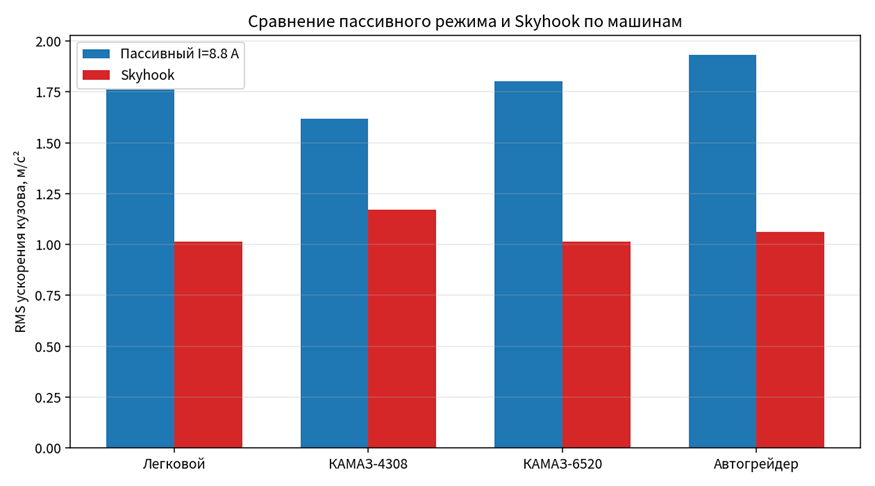
During the study, scientists developed a generalized model of the active suspension system and a scaling methodology applicable to vehicles of varying masses—ranging from passenger cars to trucks and road construction machinery. Simulations demonstrated that, provided the proposed scaling criterion is met, the ride comfort characteristics of vehicles across different classes remain comparable.
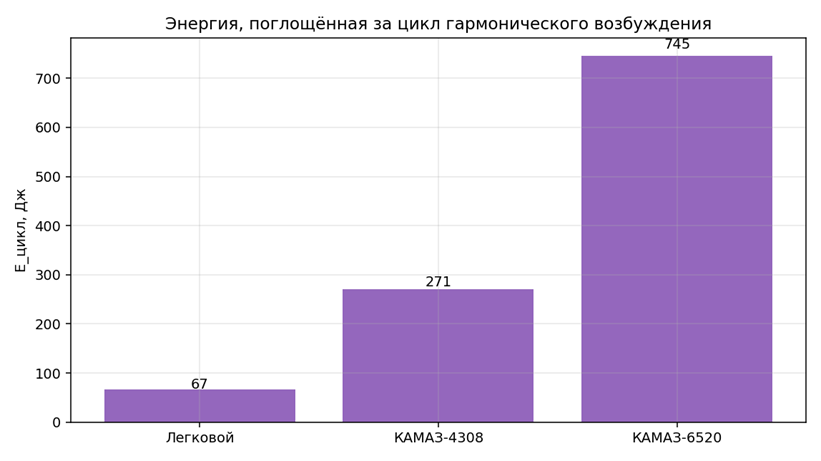
In addition, the researchers evaluated the shock absorber's energy balance and the feasibility of recovering energy from suspension oscillations. The calculations confirmed the potential for using the electromagnetic shock absorber in semi-active suspension control and energy harvesting systems.
The results obtained can be used in the design of suspension systems for passenger cars, trucks, and road construction machinery, particularly for vehicles operating in northern and Arctic conditions.
"The study's results make it possible to move from analyzing a single prototype to a generalized design methodology for liquid-free magnetic shock absorbers intended for machinery of varying mass and purpose. The next important stage will be the experimental verification of the calculated results using a full-scale test rig," noted Roman Litvin.
The study was conducted under a grant for research activities to be carried out by academic staff of SPbGASU in 2026.