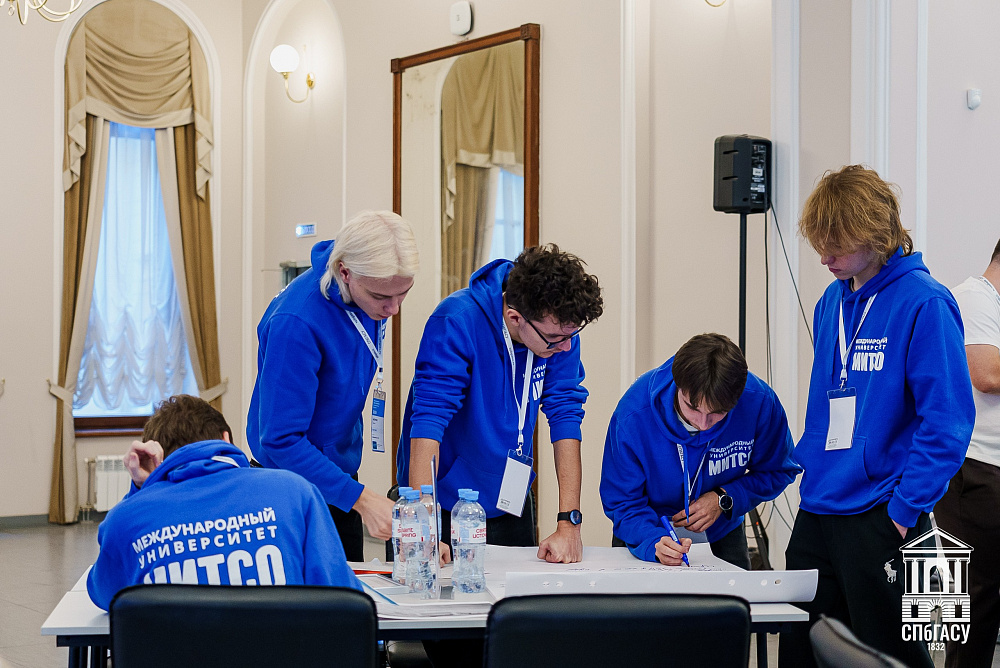
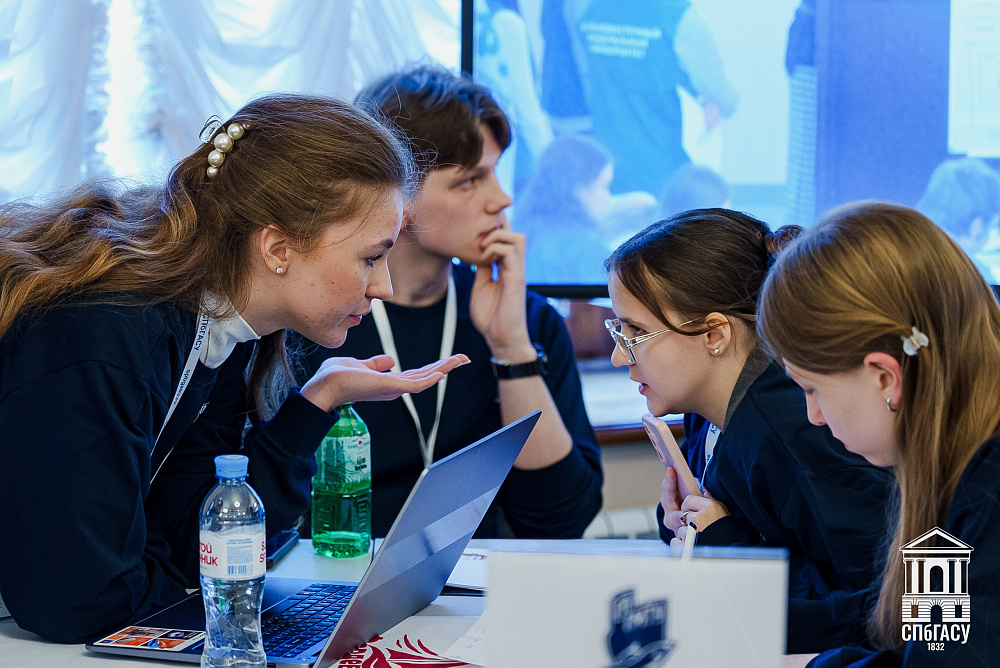
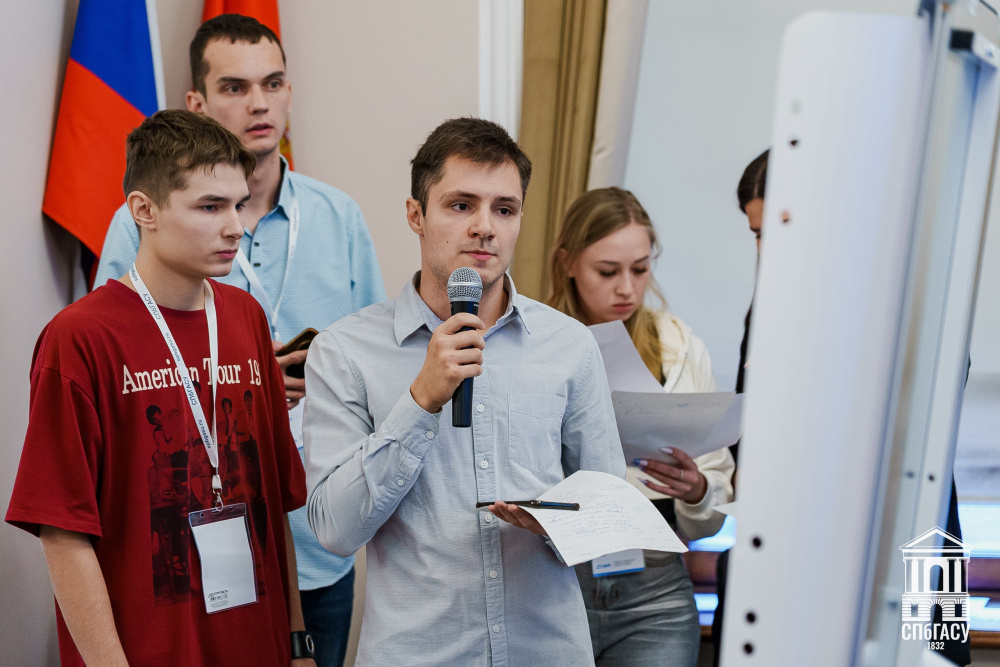
 Project defense
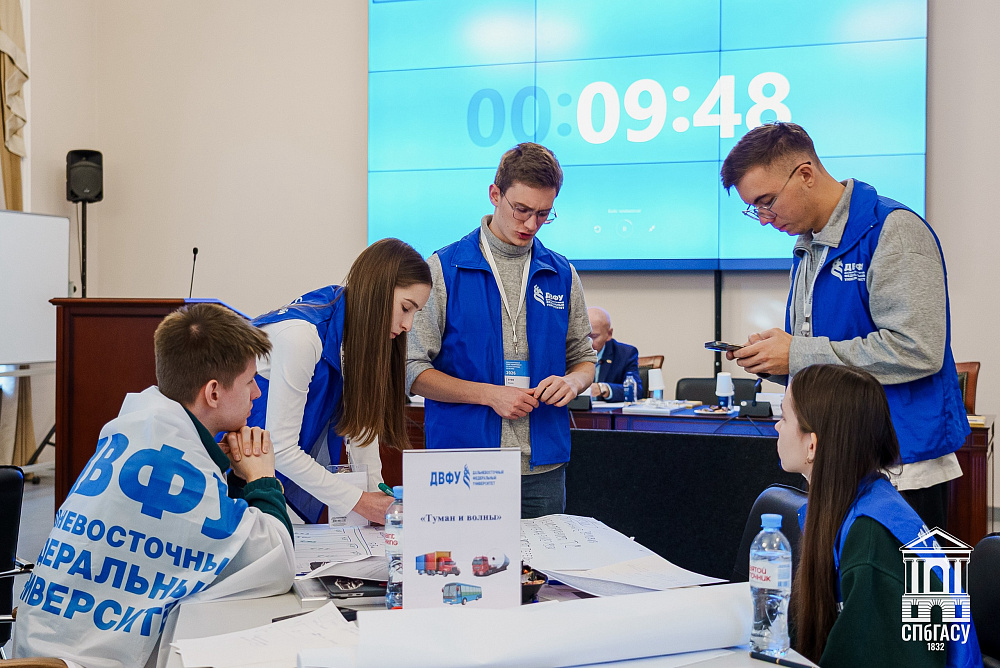
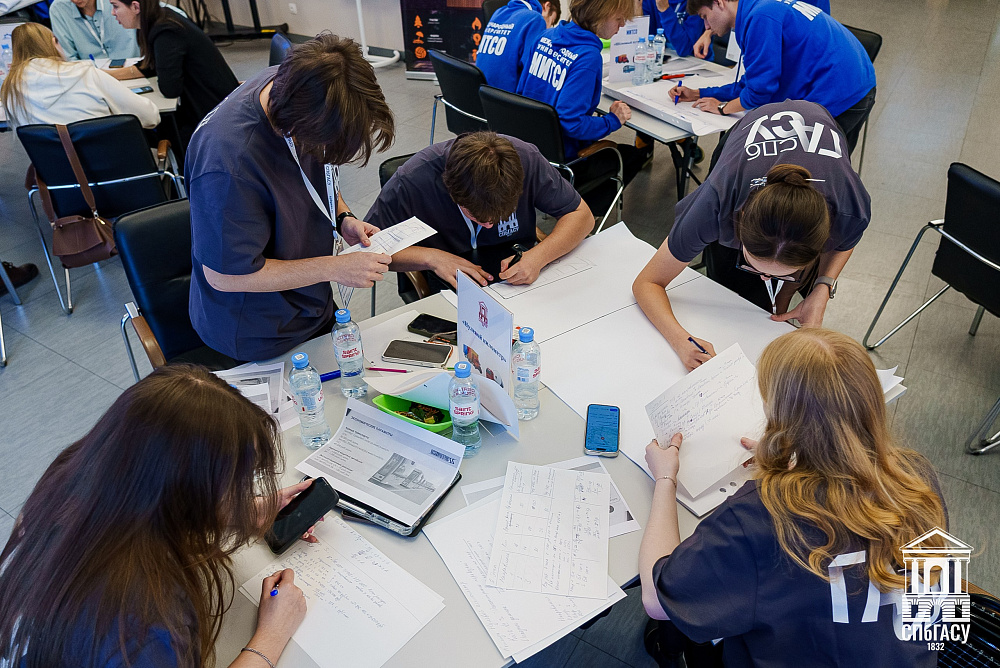
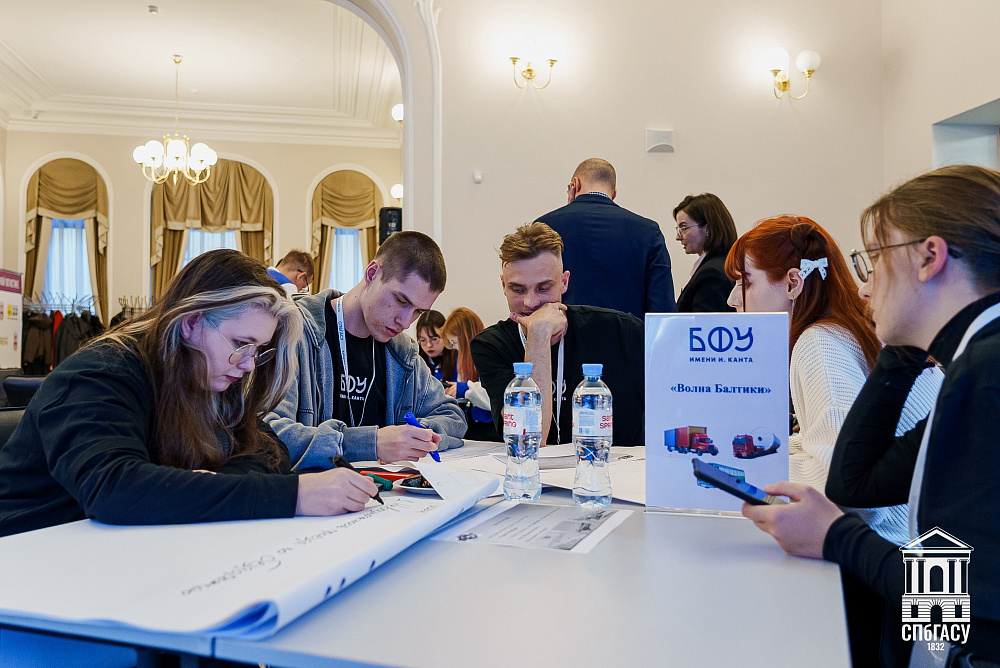
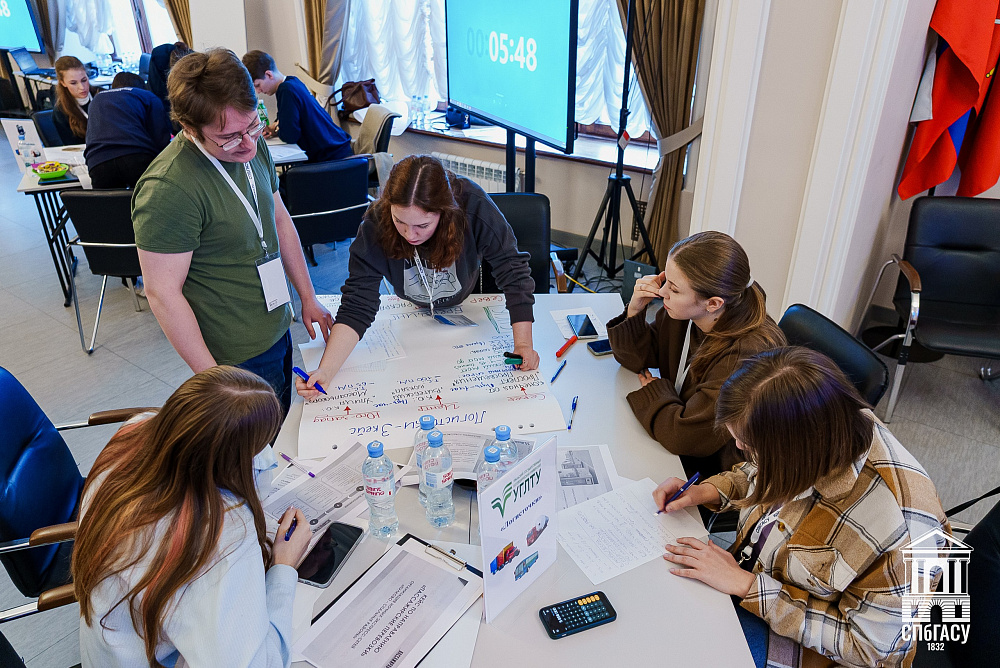
On 22 October, the Saint Petersburg State University of Architecture and Civil Engineering hosted a case championship in transport logistics. Nine teams from Russia and Belarus participated in the competition, tasked with developing solutions for real-world challenges in the transport industry and presenting their projects to experts from partner companies.
The championship was organized at the SPbGASU Faculty of Automobile and Road Building, with the participation of companies from St Petersburg’s transport sector. The faculty dean, Andrey Zazykin, delivered welcoming remarks.
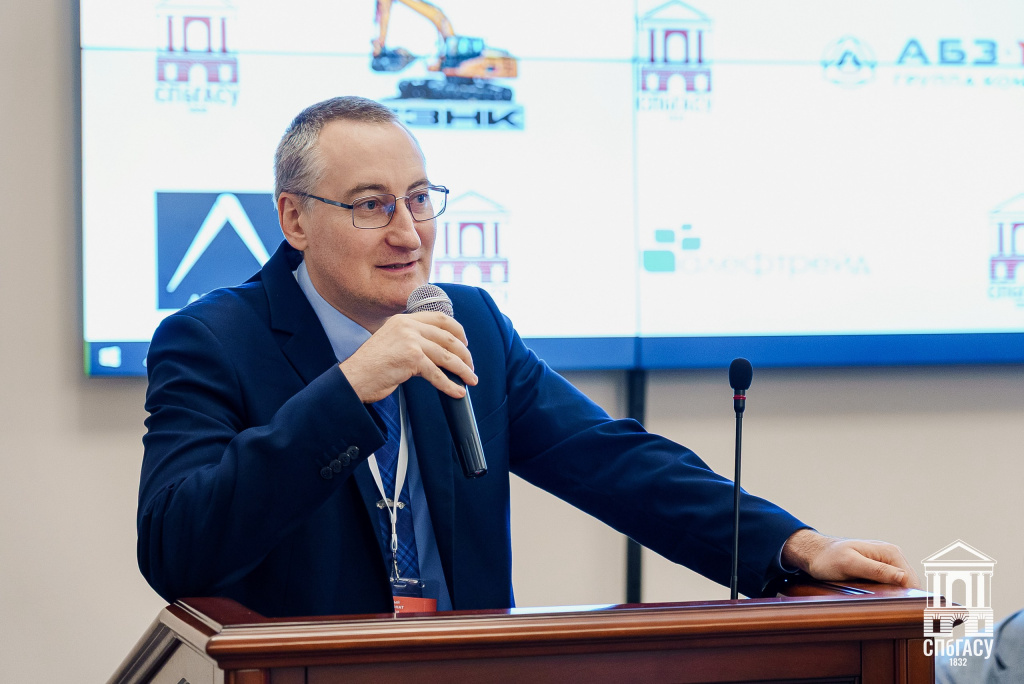 Andrey Zazykin welcomes the participants
The primary objectives of the championship were to reinforce students' professional competencies through a scientific approach and to develop the practical knowledge and skills essential for their future work in the industry. Another goal was to prepare a promising talent pool for transport enterprises.
Three areas – three practical tasks
The championship program included three thematic tracks, each reflecting a specific area of modern transport logistics. The case studies for the participants were prepared by partner companies.
In the "Container Transit" track, developed by Soling-Agency LLC, students were tasked with studying the specifics of multimodal transport and proposing ways to optimize supply chains.
The "PRO-Negabarit" ("Oversized") case study, presented by OOO "Baltika Spets Tyazh," focused on the organization of transporting heavy and oversized cargo. Teams were tasked with developing logistics schemes, taking into account the specific requirements of such shipments and the critical importance of precise calculations.
The third track, "Gateway to the Northern Capital," invited participants to address a challenge posed by the St Petersburg state-owned enterprise "Passazhiravtotrans." The task focused on optimizing passenger transport and developing St Petersburg’s transport infrastructure.
Working on case studies allowed students to apply their theoretical knowledge to tasks that closely resembled the operational realities of companies in the field, as well as to demonstrate their skills in analysis, teamwork, and the justification of professional decisions.
Participants from eight cities
The championship spanned eight cities: Moscow, St Petersburg, Omsk, Tyumen, Ekaterinburg, Kaliningrad, Vladivostok, and Minsk. Participants included representatives from universities that train specialists for the transport and related sectors.
Following their work on the case studies, the teams presented their projects to experts from partner companies. The jury evaluated the proposed solutions and determined the winners and runners-up of the championship.
The organizers—the Department of Transport Systems and Road and Bridge Construction at the SPbGASU Faculty of Automobile and Road Building, along with the event’s partners—noted that the projects presented will not simply stay gathering dust in an archive; many of the students' ideas will be taken note of by existing companies.
Championship Results
Following the projects presentations, the rankings were as follows.
Three teams tied for first place:
-
"Fog and Waves" – Far Eastern Federal University (Vladivostok);
-
"Fordewind" – St Petersburg State Marine Technical University;
-
"LogZ" – The Russian Presidential Academy of National Economy and Public Administration (Moscow).
Second place went to:
-
SibADI – Siberian State Automobile and Highway University, Omsk;
-
"Baltic Wave" – Immanuel Kant Baltic Federal University (Kaliningrad);
-
"Zero Kilometer" – a team from the SPbGASU Faculty of Automobile and Road Building.
Third place was shared between:
-
"Silk Road 2.0" – International University MITSO (Minsk, Republic of Belarus);
-
"Logistchane" – Industrial University of Tyumen;
-
"Logistochki" — Ural State Forest Engineering University (Ekaterinburg).
From academic tasks to industry solutions
The case championship served as a platform for professional interaction among students, university representatives, and companies in the transport sector. Participants had the opportunity to test their knowledge by tackling practical challenges, while partner companies were able to gain insight into how these future professionals approach the resolution of pressing industry issues.
Such initiatives help bridge the gap between university education and the demands of employers, develop students' practical skills, and build a talent pool for the transport sector.