The Department of Land Transport and Technological Machines (LTTM) at St Petersburg State University of Architecture and Civil Engineering has developed a method for determining the duration, nature, and technical support requirements of operations to maintain safe road surface conditions during the transitional seasons.
This study addresses a key road safety issue: mitigating road surface slipperiness when the air temperature crosses the freezing point. During this period, water on the road surface begins to freeze, forming a layer of ice; this reduces the tire-road friction coefficient and increases the risk of traffic accidents.
The study’s author Anzhelika Abrosimova, PhD of Engineering Sciences, Associate Professor at the Department of LTTM, notes that existing anti-icing agents make it possible to maintain safe road surface conditions during stable weather. However, when temperatures shift abruptly, the effectiveness of these measures depends on the precision with which the start time, duration, and necessary technical equipment are determined.
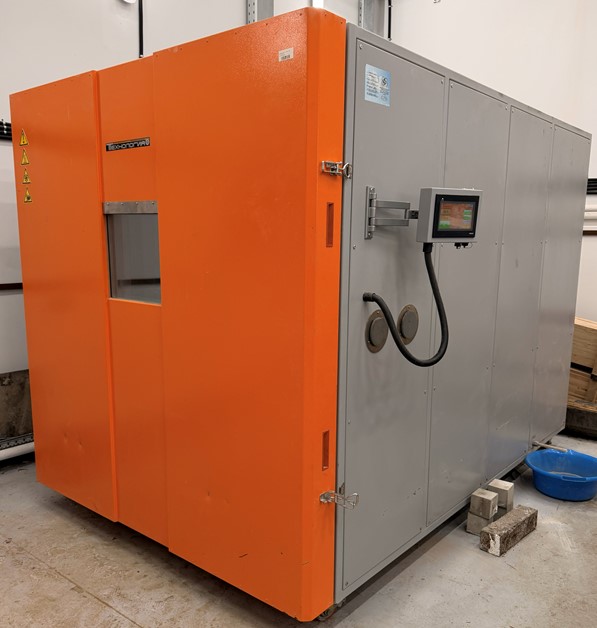
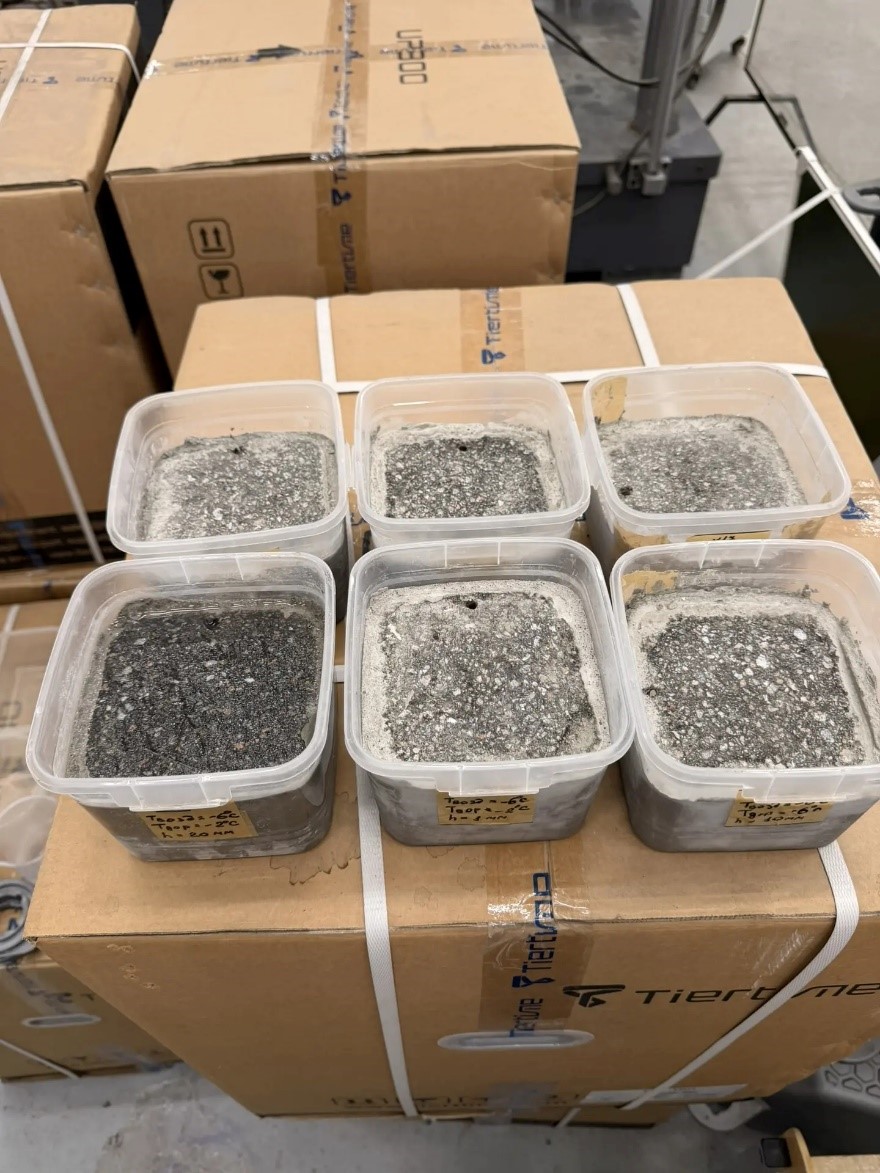
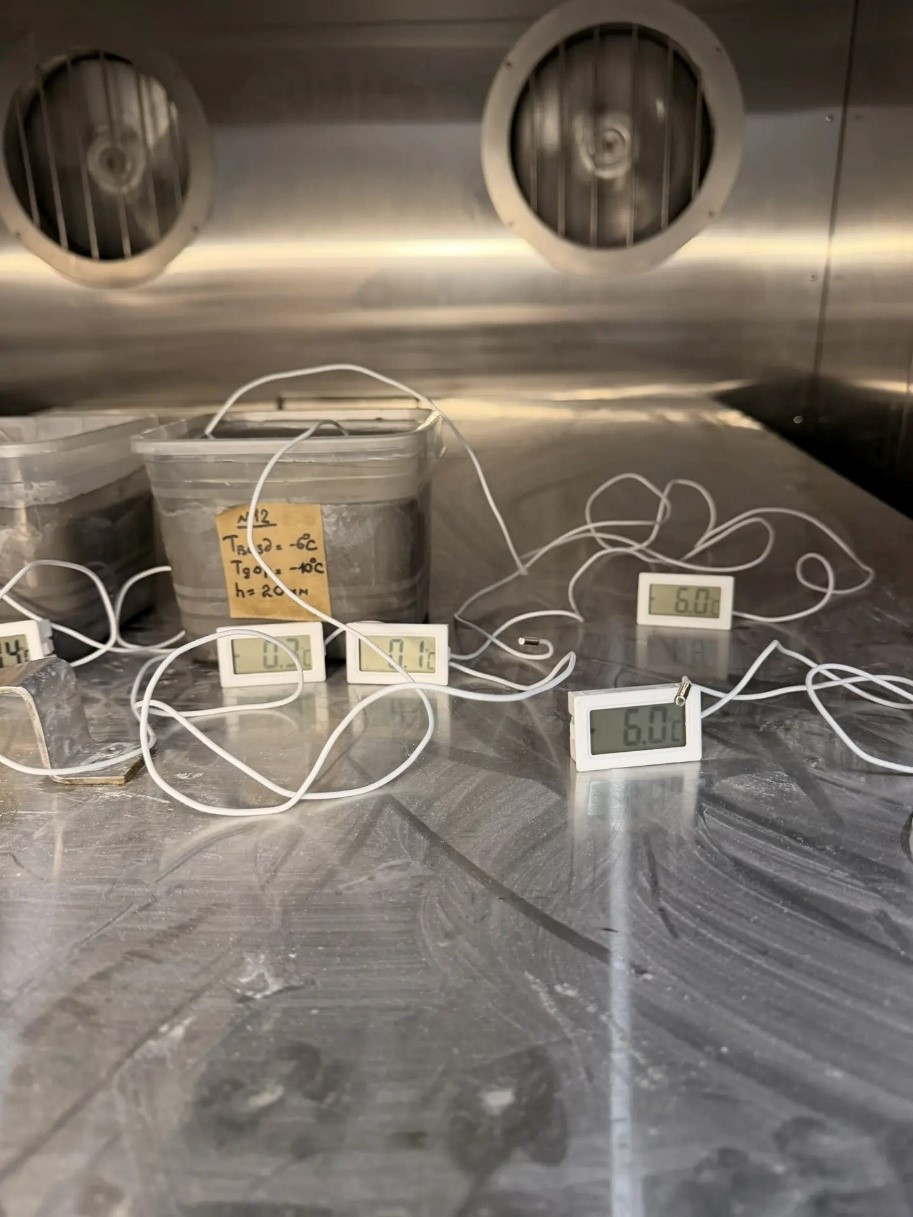
To address this task, specialists from SPbGASU conducted a series of experimental studies in the university's laboratory. Asphalt concrete pavement samples, covered with a water layer corresponding to precipitation intensities of 1 to 20 mm, were placed in a KTK-3600 thermal-cycling chamber. A sensor system was used to monitor the temperatures of the road surface, the water, and the air. During the experiments, the air temperature ranged from −10°C to −2°C, and the researchers recorded the time elapsed from the onset of water crystallization to complete freezing.
A multivariate regression model was developed based on the obtained data. It accounts for precipitation intensity, air temperature, and road surface temperature, enabling the prediction of the duration of changes in road surface conditions as the temperature drops below freezing.
The model demonstrated a high degree of correlation between the freezing duration and the factors under study: the coefficient of determination was R² = 0.94, and the mean error did not exceed 15%. This allows the results to be used to estimate the duration of the most hazardous period, when both water and ice are present on the road surface.
The developed model serves as the basis for a method used to determine the nature and duration of anti-skid measures, as well as the composition and specifications of the necessary road maintenance equipment. Depending on forecast conditions, specialists can determine whether to employ containment or remediation measures and select the appropriate equipment.
Thus, the study results provide a basis for more accurate planning of winter road maintenance operations during transitional periods and make it possible to take specific weather conditions into account when ensuring safe road surface conditions.
The study titled "Method for Determining the Duration, Nature, and Technical Support of Measures to Maintain Safe Road Surface Parameters" was conducted in 2026 as part of the research activities of SPbGASU academic staff, funded by the university's internal grants.